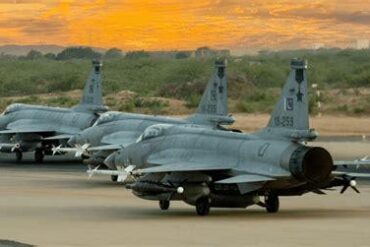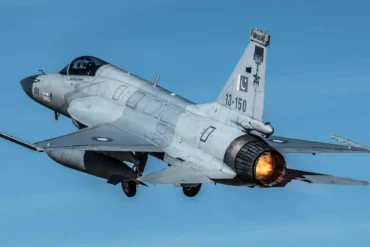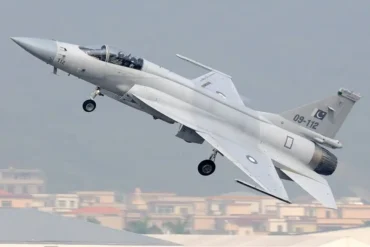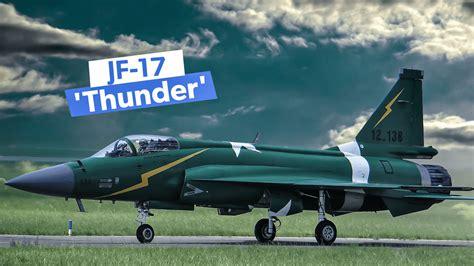
Morocco’s defense calculus is entering a quietly consequential phase. Following the signing of a new bilateral defense pact with Pakistan in mid-January 2026, Rabat is now exploring the possible acquisition of the JF-17 Thunder multirole fighter, a move that would mark a notable diversification from its long-standing reliance on Western combat aircraft. While no contract has been announced, the discussions reflect a broader shift in how mid-sized air forces are reassessing cost, availability, and political flexibility in an increasingly fragmented global arms market.
At the center of this conversation is the Pakistan–Morocco memorandum of understanding (MoU) signed in Rabat on January 13, 2026. The agreement spans military training, joint exercises, cybersecurity cooperation, defense-industrial interaction, and military medical services. It establishes a formal bilateral mechanism to manage implementation, transforming what had been episodic engagement into a structured defense relationship. Within that framework, platforms such as the JF-17 are now being examined not as isolated purchases, but as part of wider packages combining aircraft, training, sustainment, and long-term cooperation.
These developments align with Pakistan’s confirmation, reported by Reuters on January 20, 2026, that it is holding defense export talks with 13 countries across Africa, the Middle East, and Asia. Morocco features prominently among them, alongside states such as Saudi Arabia, Indonesia, Nigeria, Ethiopia, and Sudan. For Islamabad, this export push represents both strategic outreach and an economic imperative, as it seeks to turn domestic defense production into a durable source of foreign revenue.
The renewed interest in the JF-17 is not occurring in a vacuum. Pakistan has actively highlighted the aircraft’s operational use in 2025 during clashes with India, presenting this experience as a validation of combat credibility. Combined with cost pressures and supply-chain disruptions linked to the war in Ukraine and conflicts across the Middle East, these factors have made non-Western fighters more attractive to countries looking to avoid long delivery timelines and political constraints.
Strategic Context Behind Morocco’s Exploration of the JF-17
For Morocco, the exploration of a JF-17 deal should be understood less as a sudden pivot and more as an extension of a long-running strategy of pragmatic diversification. The Royal Moroccan Air Force (RMAF) has historically relied on Western suppliers, particularly the United States and France, while remaining attentive to cost efficiency and regional security demands.
The new defense pact with Pakistan provides Rabat with an institutional channel to assess alternative platforms under conditions that go beyond simple price comparison. Training integration, sustainment concepts, and industrial cooperation are all on the table. This matters because introducing a new fighter type is not merely about acquiring airframes; it reshapes pilot training pipelines, maintenance infrastructure, weapons compatibility, and operational doctrine.
Pakistan’s bundled approach to exports resonates here. Officials have emphasized that discussions with prospective buyers increasingly involve comprehensive packages rather than single-item sales. These can include trainer aircraft such as the MFI-17 Mushshak, unmanned aerial systems, air defense components, and even armored vehicles, alongside fighter jets. For Morocco, this model could support capacity-building goals without locking the country into a single supplier ecosystem.
Why the JF-17 Is Gaining International Traction
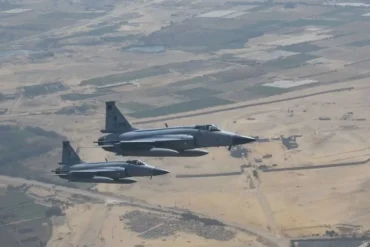
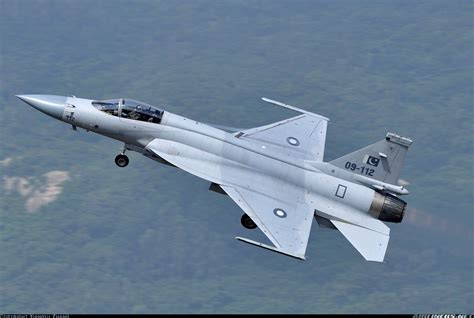
The JF-17 Thunder occupies a specific niche in the global fighter market. Jointly developed by Pakistan and China to replace aging third-generation aircraft, it is positioned as a fourth-generation, single-engine, multirole fighter designed to deliver credible combat capability at a fraction of the cost of Western peers.
Unit price estimates typically place the JF-17 between $25 million and $30 million, with some configurations approaching the $30–40 million range depending on avionics and weapons. Even at the upper end, this remains dramatically lower than the acquisition costs associated with modern Western fighters, many of which exceed $80–100 million per aircraft when support and spares are included.
Equally significant is the aircraft’s relative insulation from sanction-prone supply chains. Pakistan has consistently framed the JF-17 as a platform that avoids overdependence on politically sensitive suppliers, a point that resonates with states seeking greater autonomy in defense planning.
Technical Profile of the JF-17 Thunder
The JF-17, also known in China as the FC-1 Xiaolong, first flew in August 2003 and entered Pakistan Air Force service in 2007. Since then, it has evolved through multiple production blocks, allowing customers to select a balance between cost and capability.
Powered by the Klimov RD-93MA afterburning turbofan, the aircraft reaches speeds of approximately Mach 1.6. It features a glass cockpit with hands-on-throttle-and-stick controls, digital flight control architecture, and multirole sensor fusion. The most advanced variant, the Block III, introduces an active electronically scanned array (AESA) radar, upgraded electronic warfare systems, and an improved pilot interface tailored for high-workload combat environments.
Weapons integration includes a mix of air-to-air missiles, precision-guided munitions, unguided bombs, and limited anti-ship capabilities across eight external hardpoints, complemented by an internal 23 mm GSh-23 cannon. This configuration is intended to deliver flexibility while keeping maintenance demands within reach of air forces with constrained budgets.
Morocco’s Existing Fighter Ecosystem and Integration Challenges
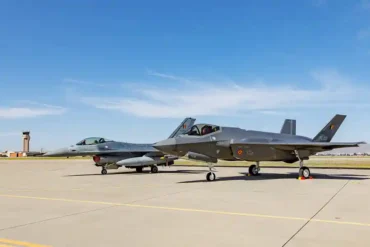
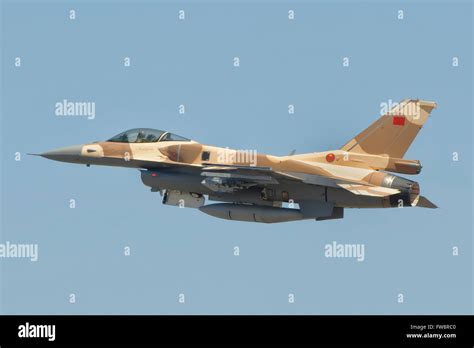
Any Moroccan move toward the JF-17 would unfold against the backdrop of a highly Westernized RMAF fleet. The F-16 Fighting Falcon forms the backbone of Morocco’s air combat capability, supported by an ambitious modernization program. Rabat has committed to acquiring 25 new F-16 Block 70/72 aircraft while upgrading 23 existing F-16C/D Block 52+ fighters to the F-16V standard, enhancing radar performance, avionics, and survivability.
Legacy platforms such as the Mirage F-1 and F-5E/F have gradually receded in importance, as Morocco has concentrated capability within the F-16 ecosystem. This focus has ensured interoperability with U.S. and NATO partners, streamlined logistics, and consistent pilot training standards.
Introducing the JF-17 would therefore pose non-trivial integration questions. Weapons compatibility, maintenance tooling, software support, and pilot conversion training would need to be established in parallel with existing systems. The decision would hinge on whether the operational benefits and cost savings justify the complexity of running a mixed fleet.
Industrial Capacity and Export Constraints
Pakistan’s export ambitions are not without limitations. Current JF-17 production is assessed at approximately 20 aircraft per year, with plans to significantly increase output by the end of 2027 through factory upgrades and expanded capacity. This ramp-up is driven not only by fighter demand but also by growing interest in trainer aircraft and unmanned systems produced by Pakistan’s expanding private defense sector.
At the same time, co-production arrangements with China introduce sensitivities. Export approvals can be affected by destination-specific concerns, particularly where United Nations arms embargoes apply, as in parts of Libya and Sudan. While Morocco does not fall into this category, these constraints shape the overall pace and structure of Pakistan’s export drive.
Geopolitical Implications of a Morocco–Pakistan Fighter Deal
A potential JF-17 deal would carry implications beyond aircraft numbers. For Pakistan, entry into the North African market would represent a strategic breakthrough, challenging the dominance of Western suppliers in a region traditionally aligned with Europe and the United States.
For Morocco, deeper defense ties with Pakistan complement existing relationships rather than replacing them outright. Rabat maintains close military cooperation with Washington while exploring new partnerships that enhance flexibility and bargaining power. In a global environment marked by supply bottlenecks and geopolitical uncertainty, such optionality has become a strategic asset.
The recent MoU, combined with a history of counterterrorism exercises—including the third bilateral drill held in Pakistan in 2025—suggests a gradual deepening of trust. Equipment discussions emerging from this context are less transactional and more strategic, rooted in shared training, operational familiarity, and long-term engagement.
A Calculated Exploration, Not a Foregone Conclusion
Morocco’s exploration of the JF-17 Thunder should be read as a deliberate assessment rather than a commitment. The aircraft offers an appealing mix of affordability, multirole capability, and political flexibility, particularly at a time when global fighter markets are strained by demand and geopolitics.
Yet the structural realities of the RMAF, its deep integration with Western systems, and the long-term trajectory of its modernization plans will weigh heavily on any final decision. The JF-17 may ultimately find a role as a complementary capability, a training and secondary combat platform, or a lever in broader procurement negotiations.
What is clear is that the new defense pact with Pakistan has opened a door. Whether Morocco steps through it will depend on how convincingly the JF-17 can align with Rabat’s operational doctrine, industrial priorities, and strategic vision in a rapidly changing security landscape.