In a bold display of diplomacy and strategic tourism development, North Korea is preparing to welcome its first international tourists since the COVID-19 pandemic — with Russian travelers set to arrive at the newly inaugurated Kalma Coastal Resort this July. This exclusive development comes as Pyongyang and Moscow enter a new phase of strengthened bilateral relations, underscoring a mutual effort to revitalize cross-border engagement through targeted tourism.
Situated along the eastern seaboard near Wonsan, the Kalma Resort represents one of the most ambitious infrastructural endeavors in North Korea’s modern era. It also marks the latest chapter in the regime’s attempt to build a sustainable tourism economy that extends beyond its borders and political constraints.
Kalma Resort Unveiled: A Strategic Gateway for International Tourism
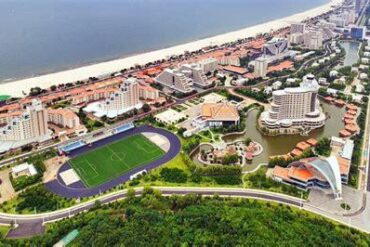
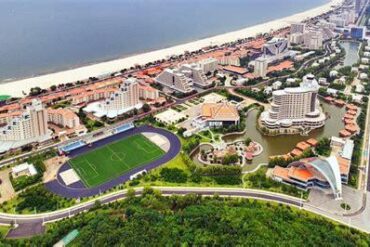
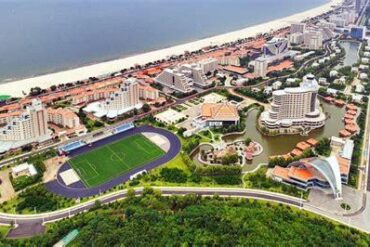
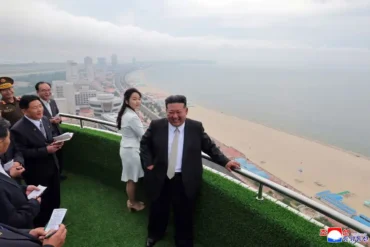
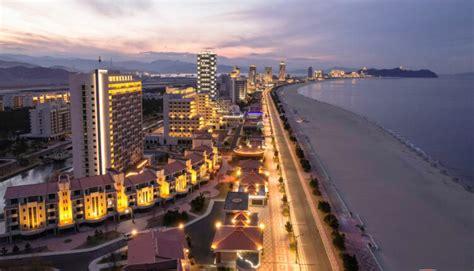
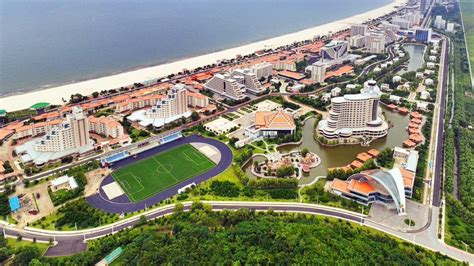
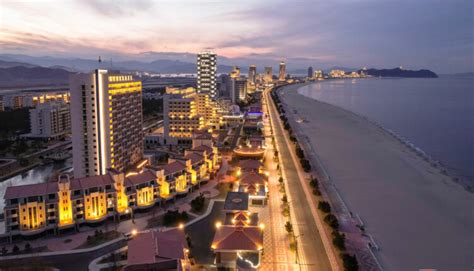
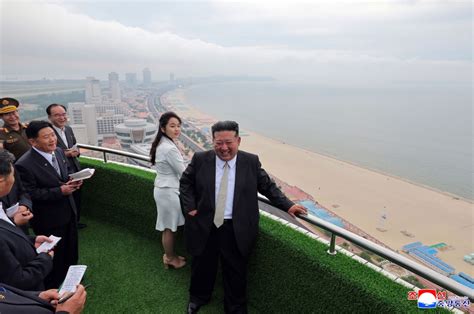
On June 24, 2025, Kim Jong-un personally presided over the grand ribbon-cutting ceremony of the Kalma Resort, a glittering complex framed by the Sea of Japan. Dubbed a “national tourist treasure” by state media, the resort is being positioned as a jewel in North Korea’s tourism revival. With a capacity to host up to 20,000 guests, the sprawling complex features a mix of luxury accommodations, seaside promenades, upscale recreational facilities, and even a state-of-the-art water park — all wrapped in a veneer of modernist architecture rarely associated with the reclusive nation.
The ceremony drew significant diplomatic attention, most notably from Russian ambassador to North Korea Alexander Matsegora and other Russian dignitaries. Their attendance was more than symbolic; it telegraphed the intent behind Kalma’s debut — to serve not only domestic holidaymakers but also a carefully chosen cohort of international guests. And it is Russian citizens who will have the honor of being the first foreign visitors allowed into the country since the pandemic.
From Vladivostok to Wonsan: Russian Tour Packages Take Off
A Vladivostok-based travel agency, Vostok Intur, is spearheading the promotional campaign for Kalma-bound tours, rolling out exclusive summer packages scheduled to begin in early July. These initial tours are highly curated, featuring eight-day itineraries that combine four nights at Kalma Resort with excursions to the Masikryong ski area, a previous focus of Pyongyang’s tourism experiments.
Each package is priced around $1,840 USD per person, inclusive of air travel, resort accommodation, guided tours, and meals. The travel route includes a connecting flight from Pyongyang to Wonsan via the newly upgraded Wonsan International Airport, which sits adjacent to the resort zone. This dual-destination offering — coastal leisure at Kalma and alpine adventure at Masikryong — suggests that North Korea is positioning itself as a rare, all-season travel destination, albeit one steeped in ideological control.
Masikryong: Laying the Groundwork for a Tourism Economy
North Korea’s flirtation with international tourism is not new. In 2013, it launched the Masikryong ski resort, equipped with imported Austrian ski lifts and luxury lodges, hoping to attract well-heeled adventure tourists from Europe and Asia. While the facility did see some Russian tourist traffic in recent years, these were largely limited and carefully regulated. However, those minimal visits served as a blueprint for the Kalma initiative, proving that niche foreign travel markets can be cultivated under the right diplomatic conditions.
As Pyongyang embraces a more pragmatic economic agenda, tourism emerges as a low-risk, high-control method of generating foreign revenue while projecting a modernized image of the nation. Kalma appears to be central to this renewed vision, blending controlled exposure to the outside world with the trappings of high-end leisure.
Kalma’s Features: Luxury in a Land of Contrasts
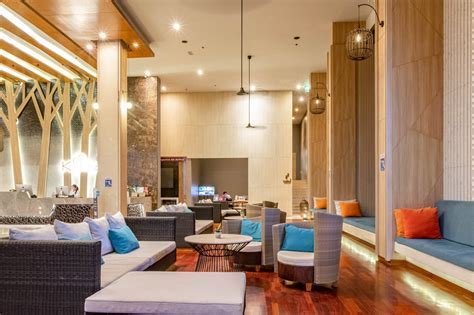
The Kalma Resort is an impressive undertaking by any standard, let alone in a country under decades of international sanctions. Stretching across a prime section of coastline, the resort is outfitted with:
- Multi-story luxury hotels with sea-facing suites
- A large-scale water park with wave pools and slides
- Upscale restaurants, cafes, and lounges
- Purpose-built conference halls and event venues
- Recreational options such as spas, saunas, and fitness clubs
Its location is no accident. Wonsan is strategically placed near a triad of transport hubs: Wonsan Airport, the Kalma railway station, and a deep-sea port. This integration of travel modalities allows for seamless tourist movement and bolsters the city’s case as a logistical nucleus in North Korea’s long-term tourism plans.
The Ghost of Mount Kumgang and Pyongyang’s Second Chance
North Korea’s history with foreign tourism is both ambitious and tragic. The Mount Kumgang project, launched in the late 1990s, saw over 1.9 million South Koreans visit the iconic mountain resort over a decade. Yet it all came crashing down in 2008, when a South Korean tourist was shot after straying into a military zone. That incident led to the suspension of the program and eventually the demolition of key infrastructure in 2022 — a definitive end to one of North Korea’s most promising tourism ventures.
Kalma is widely perceived as an attempt to reboot this legacy, albeit with stricter guest selection and more robust internal controls. This time, Russian nationals, who face fewer travel restrictions and are seen as politically aligned, serve as the test case. If successful, the regime may cautiously expand access to travelers from China, the Middle East, and potentially Southeast Asia.
A Decade in the Making: From Blueprint to Reality
The idea of transforming Wonsan into a coastal metropolis and tourism magnet dates back to a 2013 initiative by Kim Jong-un. Envisioned as part of a larger Wonsan-Kalma Coastal Tourist Zone, the resort suffered numerous delays due to sanctions, pandemic lockdowns, and internal resourcing challenges. Yet its eventual completion — amid a fraught global political climate — signals Pyongyang’s determination to re-enter the international tourism scene, albeit on its own terms.
Unlike Kumgang, Kalma is designed to showcase technocratic efficiency and urban sophistication, targeting both leisure and business travelers. It is a statement of capability, a physical manifestation of the regime’s aspirations for both economic diversification and global image management.
Economic Prospects and Strategic Diplomacy
Whether Kalma becomes a thriving hub or a glorified vanity project remains uncertain. The resort exists in a complex matrix of geopolitical limitations, including ongoing sanctions, limited inbound flights, and an opaque domestic economy. However, Pyongyang seems willing to play the long game, using Kalma as a diplomatic chess piece rather than just a commercial venture.
By welcoming Russians — and only Russians, for now — the North Korean government can test its systems, security protocols, and hospitality readiness without the scrutiny that comes with Western tourists. Moreover, the currency influx, even if modest, offers a valuable injection into the state’s cash flow, especially as domestic industries remain stagnant.
Should Kalma succeed in drawing sustained tourist flows, it may open the door to greater international engagement — including through sporting events, academic exchanges, and even controlled cultural programs. For a country often defined by its isolation, tourism may be one of the few avenues left to gain global legitimacy without compromising regime stability.
Final Thoughts: Kalma’s Global Debut Begins
With Russian tourists preparing to touch down in early July, North Korea’s Kalma Resort is poised to become a symbol of cautious ambition. It represents not just a beachfront getaway, but a calculated reintroduction of North Korea onto the world stage — filtered, framed, and firmly controlled.
Whether this marks the beginning of a broader tourism revival or merely an isolated diplomatic showcase, Kalma’s launch is undeniably significant. In a nation where every move is strategic, the choice to start with Russia, and the decision to build luxury amid widespread poverty, speaks volumes about North Korea’s vision for the future: selective openness, economic pragmatism, and tightly curated optics.
Only time will reveal whether Kalma is a turning point or just another page in Pyongyang’s long narrative of unrealized potential. For now, it remains a shimmering outpost of possibility on one of the world’s most closely guarded shores.