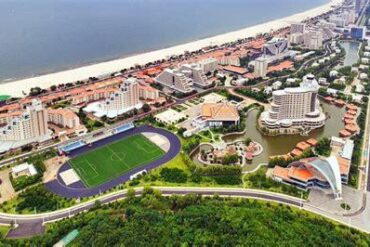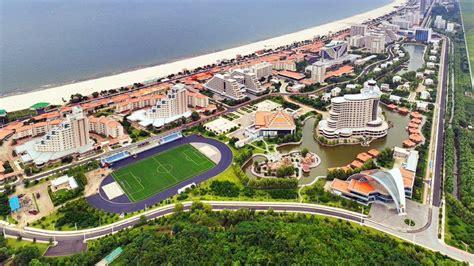
North Korea has officially opened the stunning Wonsan Kalma Beach Resort in a massive bid to revive its dormant tourism sector and reimagine its global reputation. Situated on North Korea’s picturesque eastern shore, this super-modern beach complex opened its doors to North Korean citizens on July 1, with plans to soon welcome Russian tourists as part of Pyongyang’s cautious but carefully managed return to the international travel circuit. With vast beaches, classy hotels, and leisure activities such as a water park, the resort represents a risk-laden investment aimed at boosting foreign revenues while showcasing the regime’s capability to create world-class tourism despite decades of isolation and sanctions.
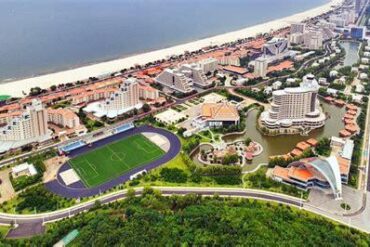
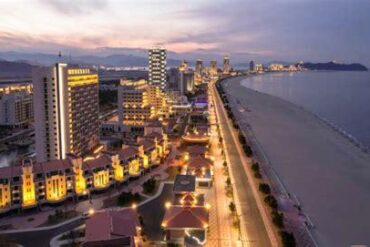
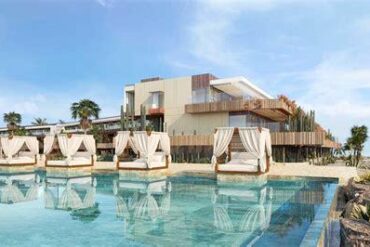
The Wonsan Kalma project, originally slated for opening in 2019, forms a central part of North Korea’s larger ambition to become a player in the global tourism arena. According to state media, the resort spans a vast beachfront and is capable of hosting approximately twenty thousand guests at a time. It features a variety of attractions, including a water park, recreational areas, and multiple hotel accommodations. Although independent verification of the site’s facilities remains limited—especially given North Korea’s strict media control—official photos and reports indicate an extensive layout designed to resemble other modern Asian beachside destinations. Visitors will reportedly be able to dine, shop, and engage in leisure activities along the resort’s scenic coastal strip.
Exclusive Domestic Opening Followed by Potential Russian Access
While the initial phase of the resort’s operations is strictly limited to North Korean nationals, news agencies have reported that Russian tourists could begin accessing the site as soon as July 7. This tentative move suggests the regime may be testing the waters for broader international tourism, using neighboring Russia as an early partner in its tourism pilot program. North Korea’s borders were tightly sealed during the COVID-19 pandemic, halting all international tourism. Although small signs of reopening have emerged, access remains restricted. The reported plan to welcome Russians marks the first significant indication that Pyongyang may be considering selective international tourism again. There is no confirmed timeline for when citizens from other countries might be allowed to enter, but tourism experts speculate that further developments could hinge on the success of the initial domestic phase and diplomatic negotiations with select allied nations.
Tourism as Economic Strategy Amid Isolation
North Korea’s push into tourism is seen by analysts as a strategic attempt to diversify its economy, which has long been reliant on a mix of resource exports and illicit trade. International sanctions, diplomatic isolation, and recent global health challenges have made economic diversification a pressing necessity for Pyongyang. Tourism offers a potentially lucrative revenue stream that allows for controlled engagement with the outside world. By promoting high-end leisure projects like Wonsan Kalma, the country aims to attract visitors without sacrificing political or ideological control.
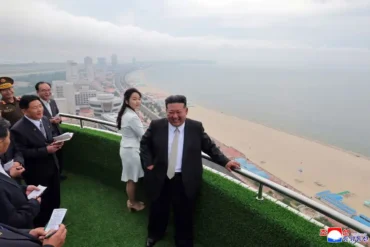
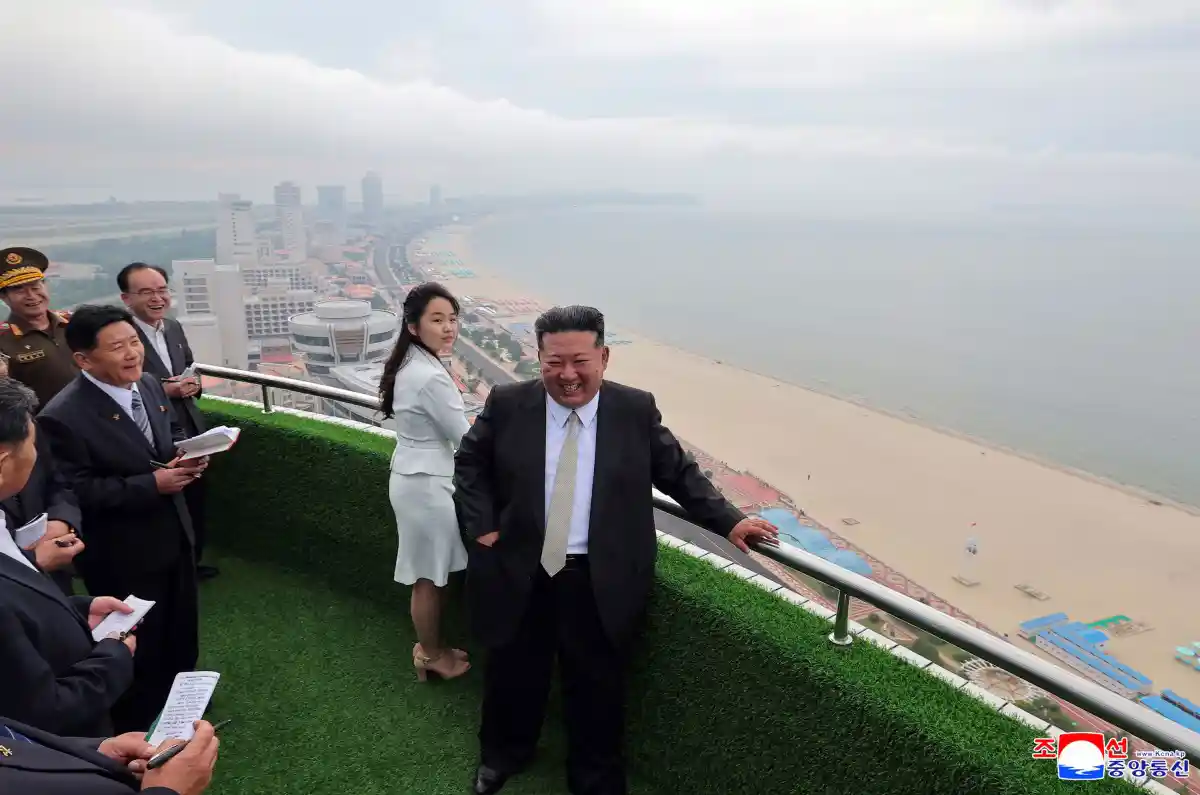
The resort also serves as a symbol of national pride and progress, reinforcing internal narratives of development. Kim Jong Un has described the resort’s completion as one of the country’s most significant achievements of the year. According to official statements, he believes the coastal complex will set a precedent for establishing a “tourist culture” in the nation. It’s also expected to elevate North Korea’s image as a potential destination on the global tourism map—albeit one that remains heavily restricted.
Luxury Destination or Symbolic Display?
While the launch has generated significant buzz, analysts are split on whether the project will deliver meaningful benefits or merely serve symbolic purposes. With much of the population facing economic hardship, the immediate benefit of such luxury developments remains questionable. Critics argue that the resort may be more about optics and international image-building than genuine economic revitalization. Nevertheless, Wonsan Kalma’s strategic location has long been associated with the country’s elite, as Wonsan is known to house high-ranking officials and affluent individuals, raising questions about who will truly have access to the new facilities. State media, however, continues to paint a picture of inclusivity and opportunity, suggesting that the site will welcome a range of North Korean citizens, providing them with rare leisure opportunities within their own country.
A Cautious Return to Global Engagement
North Korea’s decision to potentially allow Russian tourists to Wonsan Kalma can be interpreted as a calculated step toward reopening its doors to the international community. In the wake of pandemic-related closures and geopolitical tensions, the move could serve as a low-risk trial of its tourism protocols. Travel agencies that previously facilitated tours to North Korea—such as Young Pioneer Tours—have expressed both hope and skepticism. While some praise the development as a positive move, others suggest that signature locations like Pyongyang, the Demilitarized Zone (DMZ), and historical communist sites are likely to remain the focal point of most international itineraries, at least in the early stages of broader tourism resumption.
Travel Warnings and Ongoing Restrictions
Despite the fanfare surrounding Wonsan Kalma, major hurdles remain for prospective travelers, especially from Western countries. The United States continues to list North Korea as a Level 4 “Do Not Travel” destination, warning citizens of the serious risks involved in traveling to the country. U.S. passports are generally invalid for entry into North Korea without special authorization, which is rarely granted. The State Department cites a range of concerns, including the risk of arbitrary detention, lack of diplomatic protection, and potential for wrongful imprisonment. These realities present significant challenges for expanding tourism beyond a handful of strategically chosen partners. As a result, even as North Korea takes visible steps to market itself as a vacation destination, these travel restrictions will limit its immediate appeal on the global stage. For now, access remains a privilege tightly controlled by the regime and extended selectively based on political considerations.
The Role of Soft Power and Cultural Diplomacy
The unveiling of Wonsan Kalma is more than an economic move—it’s a form of cultural diplomacy. By showcasing images of beaches, waterslides, and leisure infrastructure, the North Korean government aims to reshape international perceptions. The image of modernity and openness, even if limited and curated, serves a dual purpose: improving national morale and signaling strategic readiness for gradual reintegration with the global tourism market. The inclusion of foreign diplomats at the opening ceremony further supports this idea. While attendance was limited and heavily managed, it conveyed a message of international participation and goodwill, if only symbolic.
What Wonsan Kalma Could Mean for the Future
As North Korea opens Wonsan Kalma to domestic travelers and potentially to Russian tourists, the world is watching closely. This project represents more than a new coastal destination—it symbolizes a cautious yet deliberate attempt by Pyongyang to diversify its global engagement strategy through tourism. If successful, the resort could pave the way for a tiered tourism model, where select allies gain initial access, followed by broader international entry down the line. The next few months will be critical in assessing how the regime manages the logistics, security, and messaging of this tourism experiment.
The launch of the Wonsan Kalma beach resort marks a pivotal moment in North Korea’s tourism aspirations. While it remains largely a domestic initiative for now, the possibility of expanding access to Russian nationals signals the beginning of a broader, albeit slow-moving, plan to welcome foreign tourists. Challenges persist—from diplomatic restrictions and safety concerns to limited infrastructure and media opacity. Still, the country’s leadership views tourism as a viable avenue for showcasing development, attracting foreign revenue, and potentially altering its standing in global affairs. North Korea has now opened the picturesque Wonsan Kalma Beach Resort as part of a grand resurgence of its tourism industry, and it aims to attract both domestic tourists and few foreign tourists to its beaches. The high-profile launch is a carefully laid effort to generate revenue and redefine the country’s foreign image via seacoast luxury tourism. Whether Wonsan Kalma becomes a true catalyst for change or simply a symbolic project for domestic consumption remains to be seen. But in a nation known for its seclusion, even a tentative opening like this one is a noteworthy development.