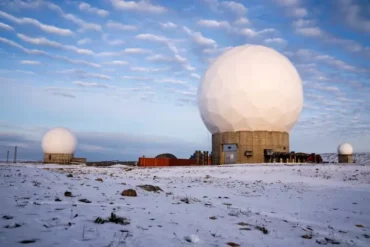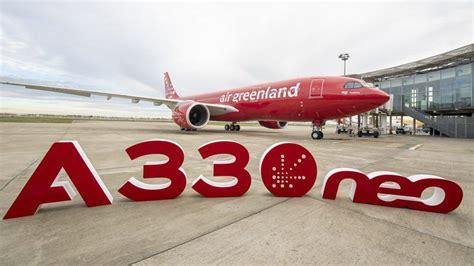
Greenland, one of the planet’s most remote and sparsely populated territories, depends on one airline to bridge its vast, rugged landscape with the outside world: Air Greenland. Headquartered at Nuuk Airport, this state-owned carrier has evolved from a support operation for Cold War-era radar installations into a multifaceted aviation enterprise. With a fleet of 28 aircraft, including the advanced Airbus A330-800, and a network that spans dozens of heliports and international routes, Air Greenland plays a central role in transportation, emergency services, and national development.
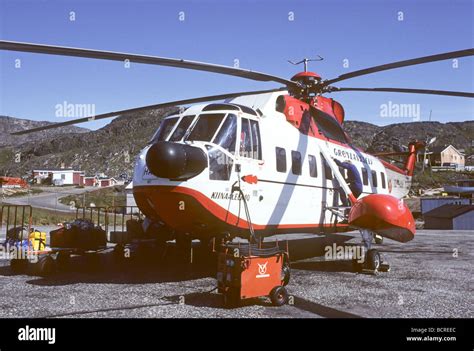
Founded in 1960 as Grønlandsfly, the airline initially focused on supporting American radar stations. Its fleet of Sikorsky helicopters, DC-4s, and PBY Catalinas symbolized Greenland’s dependency on aviation for mobility in a roadless nation. Early operations were dominated by rotary-wing aircraft, but strategic investments in Short Takeoff and Landing (STOL) airfields in the 1970s and 1980s, including the crucial airports at Nuuk, Ilulissat, and Kulusuk, allowed for an expansion into fixed-wing services.
By the late 1980s, the fleet included DHC-7 Dash 7 turboprops, well-suited to Greenland’s weather and terrain. The 1990s saw a major leap with the acquisition of a Boeing 757-200, enabling direct transatlantic service to Copenhagen and boosting annual passenger numbers to nearly 300,000. Yet the closure of mining operations and SAS’s eventual exit from Greenland forced Air Greenland to recalibrate. The turn of the millennium marked a transformation.
From Grønlandsfly to Air Greenland: A Rebrand with Reach
The year 2002 marked the airline’s rebirth. It rebranded as Air Greenland, unveiling a bold red livery and a renewed ambition. A year later, it acquired the Airbus A330-200 “Norsaq”, signaling an end to SAS’s Greenland operations. With this wide-body aircraft, Air Greenland became capable of nonstop intercontinental travel, affirming its independence and reliability.
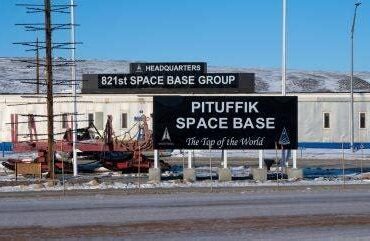
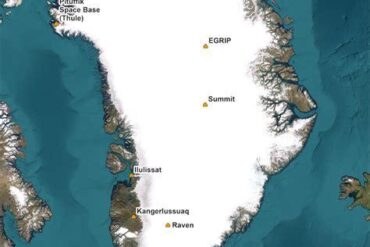
By the late 2000s, the airline launched an e-ticket system, won contracts with the U.S. Air Force to operate flights to Thule Air Base, and absorbed Air Alpha Greenland, a key helicopter operator. Yet it also weathered volatility: a Baltimore–Greenland route failed in 2008 due to labor strikes, and mine closures in the 1990s reduced demand. Nonetheless, it served nearly 400,000 passengers by 2009.
Strategic Expansion into the 2020s
While COVID-19 battered global aviation, Greenland’s geographic isolation and tight border controls minimized the pandemic’s impact on Air Greenland’s domestic operations. The airline took the opportunity to modernize and expand. In December 2022, it received its flagship Airbus A330-800 “Tuukkaq”, replacing the aging A330-200. With seating for 305 passengers, including 42 in Premium Class, it launched new transatlantic routes from Nuuk and Kangerlussuaq.
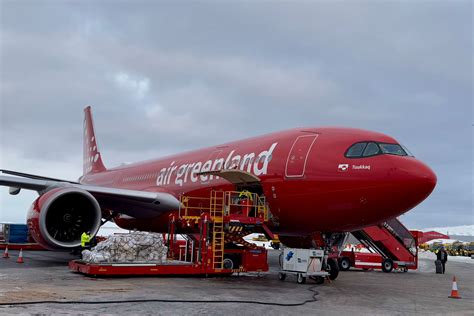
By 2023, leased Boeing 737s from Jettime helped expand service to Billund, Aalborg, and Narsarsuaq, linking regional Denmark with Greenland’s main towns. As Nuuk Airport’s runway reached 2,200 meters in length, it was transformed into the nation’s primary international hub. The first long-haul arrival, fittingly, was Tuukkaq. Kangerlussuaq, once the main transatlantic gateway, was reclassified for domestic flights only from late 2024.
A Fleet Designed for the Arctic
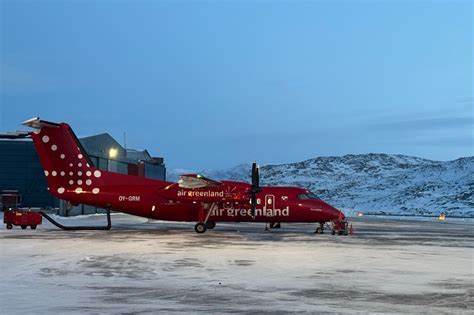
Air Greenland’s fleet is tailored to Greenland’s unique geography. Fixed-wing operations center around De Havilland Dash 8-200s, ideal for short, icy runways. The Airbus A330-800 anchors transatlantic routes, while a lone Beechcraft B200 King Air is used for medical evacuations.
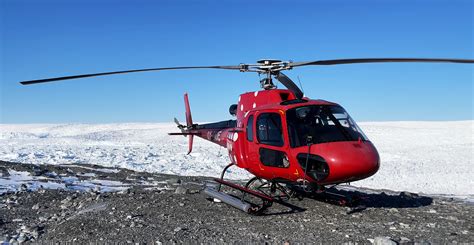
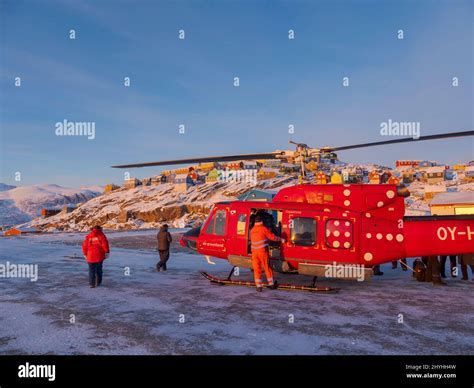
The rotary-wing fleet, comprising 18 helicopters, includes Airbus H225s, H155s, and AS350s, serving both public and private missions. From search-and-rescue (SAR) and medivac flights to tourism and geological support, these helicopters are lifelines to settlements inaccessible by road or runway.
Connecting Greenland’s Vast Interior
With only 12 civilian STOL airports and 45 heliports, Greenland’s transportation network demands flexibility. Air Greenland’s helicopter flights to settlements operate on government contracts, with daily routes optimized by demand-based algorithms. The Disko Bay area, for example, shifts between helicopter service in winter and ferry transport in summer.
Air Greenland also partners with Norlandair, servicing Nerlerit Inaat Airport, and maintains interline agreements with carriers including SAS, Finnair, DAT, and Canadian North. Starting summer 2025, a codeshare with Icelandair will vastly enhance connectivity between North America, Europe, and Greenland, particularly via Keflavík.
A Vertical Enterprise: Subsidiaries and Services
Air Greenland is more than an airline. It has seven subsidiaries across aviation, tourism, and hospitality, making it one of the largest employers and corporate entities in Greenland. Key ventures include:
- Hotel Arctic A/S, a luxury property and travel agency in Ilulissat.
- Greenland Travel A/S, a Copenhagen-based tour operator.
- World of Greenland A/S, an outfitter offering expeditions and adventure tourism.
- A 25% stake in Norlandair, enabling extended regional services.
Charter operations are extensive. Helicopters support mining, oil exploration, environmental research, and heliskiing. During summer, freelance pilots from Scandinavia augment the fleet, supporting geological surveys, polar bear studies, and the U.S. Air Force at Thule.
Premium and Economy: Tailored In-Flight Experience
Air Greenland maintains a dual-class service model on its flagship A330-800.
- Premium Class features 42 seats in a 2-3-2 configuration, complete with amenity kits, hot meals, power outlets, and access to Novia Business Lounge in Copenhagen.
- Economy Class is offered in a 2-4-2 layout, with complimentary meals and beverages.
On shorter domestic flights, all passengers are offered snacks and drinks, with flexible or restricted fare options. The airline also publishes “Suluk”, a quarterly in-flight magazine featuring cultural insights, travel tips, and airline updates.
Governance and Independence
Since 29 May 2019, Air Greenland has been fully owned by the Government of Greenland, after acquiring stakes from SAS and the Danish Government for DKK 462 million. Oversight is provided by the Ministry of Housing, Infrastructure, and Transport, and its Board of Directors includes nine members, among them three employee representatives.
CEO Jakob Nitter Sørensen has led the company since 2017, and under his guidance, Air Greenland has strengthened its financial independence and operational scope. The technical base and headquarters remain at Nuuk Airport, with over 660 employees across all sectors.
Resilience Marked by Adversity
Air Greenland’s history includes somber episodes. Notable incidents include:
- 1961: DHC-3 Otter crash near Kangerlussuaq due to fuel leak.
- 1962: PBY Catalina sank during water landing in Nuuk, killing 15.
- 1973: Sikorsky S-61N crash en route to Paamiut, killing 15.
- 2008: AS350 crash in Nuuk, no fatalities.
- 2014: Dash 8-Q202 runway excursion in Ilulissat, aircraft written off.
Each incident led to stringent reviews and ongoing safety investments, reinforcing the airline’s commitment to Arctic aviation excellence.
Future-Focused: A Sustainable Arctic Gateway
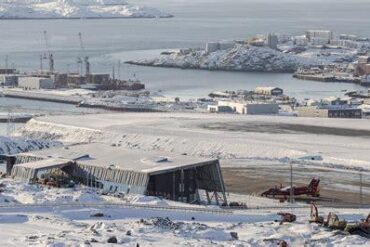
Looking ahead, Air Greenland plans to integrate an Airbus A320neo by 2027, expand its codeshare network, and deepen tourism partnerships. With runway expansions at Nuuk and Ilulissat now complete, and a fully Greenlandic ownership structure, Air Greenland is poised to become an even more vital connector between the Arctic and the rest of the world.
As climate change, resource exploration, and polar research intensify international focus on the Arctic, Air Greenland’s role as a logistical enabler, economic driver, and national symbol is more essential than ever.