Greenland has officially entered the global tourism conversation, joining China, Saudi Arabia, Oman, and the United Kingdom as a destination actively courting American tourists. This shift is not merely symbolic. With the launch of direct flights from the U.S. to Nuuk, Greenland’s capital, the once-remote Arctic outpost is positioning itself as a serious player in the increasingly competitive post-pandemic travel landscape.
Greenland’s Strategic Tourism Pivot
The timing is no coincidence. As the travel industry rebounds, countries worldwide are aggressively vying for a slice of the U.S. outbound tourism market. Greenland’s decision to welcome Americans is both strategic and transformative. The United States is one of the most lucrative tourist sources globally, and American travelers are known for their long-haul travel appetite, cultural curiosity, and strong per-capita spending.
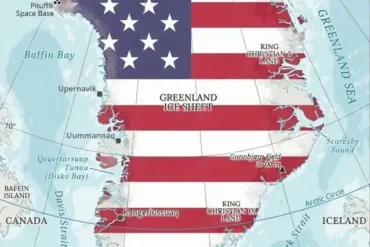
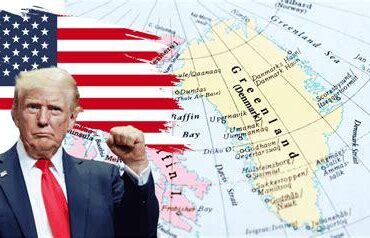
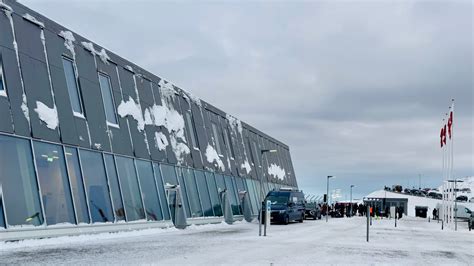
United Airlines’ launch of nonstop service from the U.S. to Nuuk on June 14 represents a groundbreaking move for Greenlandic tourism. It marks the first time American travelers can reach Greenland without transiting through Iceland or Denmark. Coincidentally launched on Donald Trump’s birthday, the symbolism was hard to ignore—especially considering the former president’s infamous 2019 proposal to purchase Greenland from Denmark.
Politics, Memory, and Modern Travel
Though the Trump-era acquisition idea was swiftly rebuked by both Danish and Greenlandic leaders, its memory lingers. The politics surrounding Greenland haven’t disappeared; they’ve simply shifted tone. Trump’s son, Donald Trump Jr., reignited controversy earlier this year when he visited Greenland donning a red cap that read, “Make Greenland Great Again.” His photo ops and gestures—such as handing out cash to the homeless—were met with backlash from residents who viewed them as condescending and performative.
Greenland is attempting to separate itself from political narratives and instead focus on sustainable tourism development. Yet, the global spotlight cast by U.S. interest has undeniably altered Greenland’s trajectory. American tourists aren’t just visitors now—they’re part of a broader story about identity, autonomy, and environmental stewardship.
Small Numbers, Big Impact
Despite increasing visibility, Greenland’s current tourism footprint remains modest. Only 4,700 Americans stayed overnight in Greenlandic hotels in 2024. The majority of visitors—about 145,000—arrived via cruise ships, often remaining only for a few hours before moving on. While this number is tiny compared to destinations like Paris or Dubai, it’s substantial in the context of Greenland’s population and infrastructure.
Tourism authorities see direct flights as a lever to shift tourist patterns from quick cruise visits to longer, more immersive stays. Hotel Arctic in Ilulissat, one of the country’s most prominent accommodations, has already reported a surge in American bookings. Plans for new hotels are underway, yet challenges remain. Basic infrastructure, like supermarket supply chains, is strained. After cruise ship arrivals, shelves are often bare, leaving locals scrambling.
The Tourism Tension: Growth vs. Preservation
Greenland is walking a tightrope. On one side lies the opportunity to grow its tourism sector, diversify its economy, and gain a stronger voice on the world stage. On the other, there’s a risk of over-commercialization, environmental degradation, and cultural dilution.
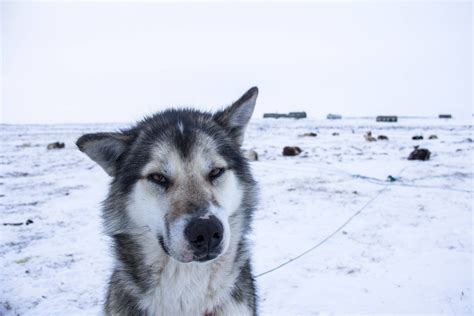
The landscape that attracts tourists is also one of the world’s most climate-vulnerable ecosystems. Ice sheets are melting at unprecedented rates. Dog sledding, once a cultural cornerstone, is under threat from warmer winters and mechanized transport. Thirty years ago, there were 30,000 sled dogs. Today, just 15,000 remain.
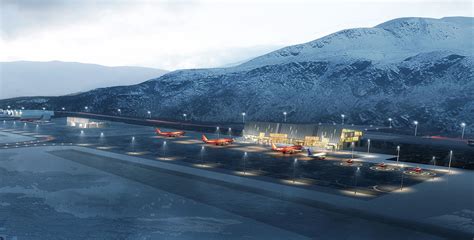
As airport expansions rise in places like Ilulissat, sled dog enclosures shrink. Locals worry that their traditions could become relics staged for tourists rather than vibrant, living practices. Tourism officials are acutely aware of this balance. They stress that growth must be sustainable, inclusive, and respectful.
Cruise Ships: A Double-Edged Sword
Cruise tourism represents a flashpoint in the tourism debate. While cruise liners bring thousands of visitors, they often leave minimal economic impact. Tourists descend on towns for just a few hours, overwhelming local businesses without contributing meaningfully to the economy. Many residents voice concern that cruise-focused tourism creates strain without lasting benefit.
There’s a growing call for longer-stay tourism, with more infrastructure built to support travelers seeking in-depth experiences rather than rapid sightseeing. United Airlines’ new route could help facilitate this shift—if visitors are encouraged to explore beyond Nuuk and engage meaningfully with local communities.
Greenland Is Not for Sale—But Is It for Tourists?
One of the more popular T-shirts sold in Nuuk reads: “Greenland is Not for Sale.” It’s a clear message to the world—and a response to unwanted foreign attention. Some visitors laugh. Others see it as essential. It’s a reminder that for all its beauty, Greenland is not a blank slate or a tourism playground.
There’s a palpable tension between welcoming visitors and protecting identity. American travelers are particularly visible in this dynamic, thanks in part to political baggage and cultural misconceptions. Tourism, when done wrong, can feel extractive. When done right, it can foster mutual understanding and long-term benefit.
The Bigger Picture: Why the U.S. Market Matters
Why are so many countries—from China to Saudi Arabia—competing for American tourists now? The answer lies in post-pandemic recovery and economic repositioning. U.S. travelers spend more abroad than nearly any other nationality. Their preferences set global tourism trends. In welcoming Americans, countries hope to stabilize their economies, boost soft power, and establish themselves on new cultural frontiers.
China’s reopening to U.S. travelers, Saudi Arabia’s vision-driven transformation, Oman’s luxury ecotourism campaigns, and the UK’s enduring cultural ties all reflect this pivot. Greenland, once overlooked, is now betting on its uniqueness—a pristine, Arctic wilderness with deep-rooted Indigenous culture—to attract high-value tourists.
Infrastructure Development: Promise or Pitfall?
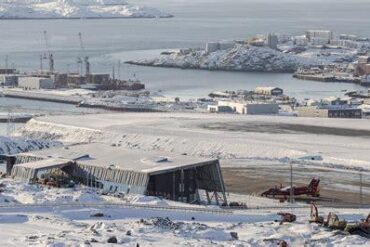
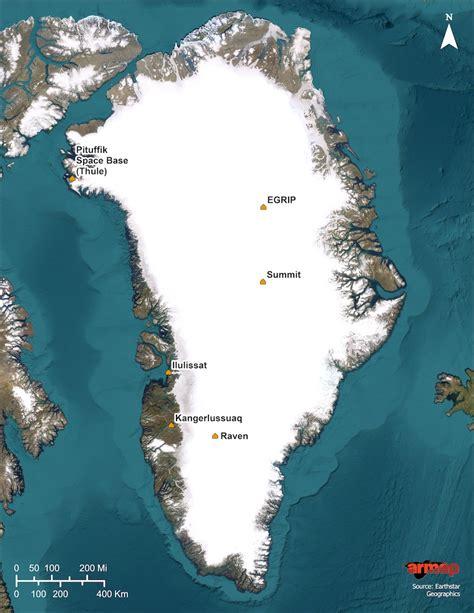
Greenland Airports, managing 13 airports across the island, is racing to prepare for this future. With only Nuuk and Ilulissat currently receiving international upgrades, critics argue that tourism revenue may remain concentrated, leaving smaller communities behind.
To decentralize benefits, planners are urged to invest in regional access, local business development, and cultural preservation initiatives. The current wave of change presents a rare opportunity to design tourism with a future-proof mindset—one that avoids the mistakes of over-touristed destinations elsewhere.
The Arctic Has Opened—Now What?
The symbolism of Greenland opening its skies directly to American travelers is profound. For centuries, it was seen as the edge of the world. Now, it’s a direct destination—reachable in hours, not days.
Yet its future hangs in delicate balance. Will Greenland become a model of eco-sensitive tourism, championing Indigenous culture and environmental awareness? Or will it be consumed by geopolitical interests, fleeting curiosity, and unchecked development?
Tourism here is more than an economic tool. It’s a vehicle for global engagement, cultural assertion, and ecological storytelling. For American travelers, the invitation to Greenland is not just about sightseeing—it’s a call to witness, respect, and preserve.
The runway is open. Flights are booked. Greenland stands at the crossroads of change. Whether that change honors its people and preserves its ice will depend on choices made today—by tourists, tour operators, and the global community alike.