United Airlines has embarked on one of the most ambitious route expansions in its history, introducing nonstop flights to destinations that span from the icy edges of the Arctic to the sunlit coasts of southern Europe and the Caribbean. This bold move doesn’t just extend the airline’s global footprint—it redefines what it means to travel in 2025.
From Nuuk, Greenland to Ulaanbaatar, Mongolia, Kaohsiung, Taiwan, and beyond, the carrier is writing a new narrative—one of access, depth, and authenticity. The expansion touches three continents, seven countries, and opens a powerful new chapter in modern aviation.
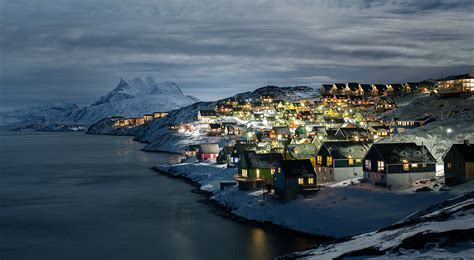
A Cold Return: United Lands in Nuuk for the First Time in Nearly 20 Years
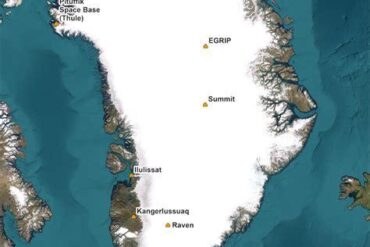
The skies over Greenland saw a remarkable return this June as United Airlines officially launched nonstop service from Newark Liberty International Airport (EWR) to Nuuk, Greenland’s capital. It’s the first commercial air link between the U.S. and Greenland since 2007, and it signals far more than geographic connectivity. It’s a symbolic leap into a cooler, quieter form of travel—one that speaks to climate awareness, emotional resonance, and nature-first experiences.
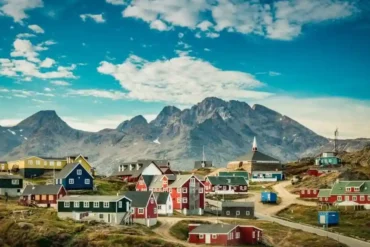
Passengers now land in a land of glaciers, fjords, and mid-summer daylight that stretches for 20 hours. The Arctic isn’t just an ecological frontier—it’s now a travel frontier, and United Airlines has cracked open the door.
Why Greenland? Timing Meets Curiosity
The return to Greenland is neither accidental nor merely opportunistic. It is a calculated response to shifting travel appetites. Tourists are fleeing the heat—literally and figuratively. As climate anxiety grows and megacities feel more crowded than ever, travelers are seeking serenity, simplicity, and stories worth telling. Nuuk, a city perched on the edge of the ice, offers all three.
Greenland, once an afterthought, is now a strategic jewel. Its value lies not in its luxury hotels or major metropolises—there are none—but in its raw landscapes, cultural preservation, and ability to stun visitors into silence.
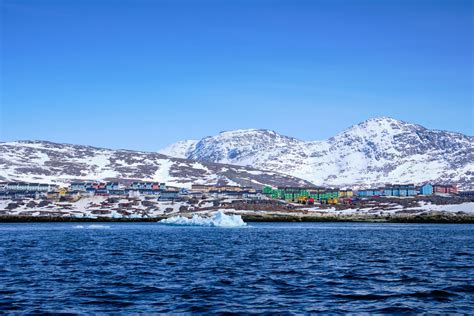
Mongolia and the Mystique of the Steppe
United’s newly announced route to Ulaanbaatar, via Tokyo, is another signal that mainstream travel is evolving. Mongolia—a nation of wide-open spaces, nomadic culture, and Gobi desert panoramas—is being repositioned as a must-see rather than a maybe-later.
This expansion isn’t just about novelty. It’s about connecting global citizens to overlooked civilizations, to ancient ways of life that still beat strong in the high plains and remote provinces of the world. With these flights, the steppes are no longer remote—they’re reachable. And that changes everything.
Kaohsiung: Taiwan’s Southern Gateway Joins the U.S. Network
Kaohsiung, Taiwan’s vibrant southern port city, now joins the United Airlines network with new direct service launching mid-year. It brings a fresh cultural dimension to U.S.-Asia aviation, diverging from the more trafficked routes to Taipei. Kaohsiung pulses with color, from its dragon temples to its modern art hubs. The city has long lived in the shadow of its capital, but this new route shines a spotlight on the south.
In a geopolitical era where Taiwan’s importance grows daily, this route also strengthens economic and cultural ties. It’s not just tourism. It’s diplomacy with altitude.

Europe Reinvented: United Heads to Portugal, Spain, and Italy’s Hidden Corners
While the world knows Rome, Madrid, and Lisbon, United is zeroing in on Europe’s lesser-known gems. With new flights to Faro and Madeira in Portugal, Palermo in Italy, and Bilbao in Spain, the airline is chasing not just travelers—but travelers’ evolving tastes.
These destinations offer slower rhythms and stronger roots. Faro whispers tales of Moorish history and Algarve beaches. Madeira, the lush island in the Atlantic, is a paradise of volcanic trails and wine-soaked sunsets. Palermo invites travelers into the untamed soul of Sicily, while Bilbao offers a marriage of Basque traditions and modern architectural wonder.
By flying to Europe’s edges, United sends a message: The future of tourism lies in depth over breadth, meaning over mass.

Dominica: A Caribbean Discovery Like No Other
Weekly flights from Newark to Dominica now offer American travelers access to one of the Caribbean’s most unspoiled treasures. Dominica isn’t a resort island—it’s a natural sanctuary. Rainforests, sulfur springs, black sand beaches, and a volcanic backbone make it the ultimate eco-tourist haven.
This isn’t sun-and-sand tourism—it’s rainforest immersion, hot spring healing, and marine exploration. United’s bet on Dominica aligns with a rising demand for ethical, nature-centric escapes. And by keeping the frequency low, United respects the island’s delicate ecosystem.
Rewriting the Airline Map—And the Mindset
This isn’t just an expansion. It’s a manifesto. United Airlines is laying out a new travel blueprint that values authenticity, environmental awareness, and cultural richness. In a world overrun with predictable itineraries, United is turning left where others turn right.
From Nuuk’s glacier walls to Mongolia’s ger camps, from Taiwanese temples to Caribbean tidepools, these new routes unlock emotional resonance, not just logistical efficiency. United is not just moving people. It’s moving perspectives.
The Business of Boldness: MileagePlus Gets an Upgrade
For United’s loyal MileagePlus members, these new destinations represent more than Instagrammable backdrops. They are valuable redemptions, fresh incentives, and a reason to maintain elite status. Unusual routes mean more award seat availability and bigger storytelling payoffs.
Flying to Greenland, Mongolia, or Dominica on points isn’t just about the miles—it’s about the memory. And that adds deep loyalty value.
Climate, Consciousness, and the Future of Flight
As global warming becomes an ever-pressing reality, travel is being reexamined. The industry is under pressure to act, and travelers are becoming choosier about where they go, how they go, and why they go. United’s expansion feels aligned with that shift—not towards less travel, but better travel.
In Greenland, scientific collaborations around climate research are increasingly common. In Dominica, preservation efforts are thriving due to eco-conscious tourism. These routes support not just economies, but planet-positive practices.
Final Approach: A Movement Takes Flight
In 2025, United Airlines has declared that the world is not too far. That curiosity still counts. That travelers deserve more than selfies—they deserve stories.
These new flight paths are not lines on a map. They are lines in a new travel story, one where the Arctic is open again, the steppe is closer, the jungle more reachable, and the cities of Europe’s edge finally get their due.
The aircraft are ready. The runways are clear. The world is waiting.