London Gatwick Airport has been given the green light to continue its long-awaited Northern Runway expansion project after the Court of Appeal rejected legal challenges brought against the airport’s development plans. The decision removes a major obstacle that had delayed the project and allows the United Kingdom’s second-busiest airport to move forward with plans to increase capacity and improve operational resilience.
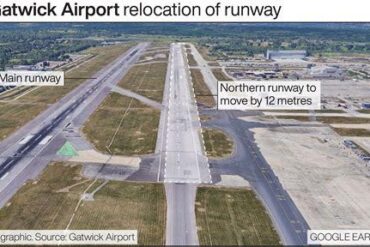
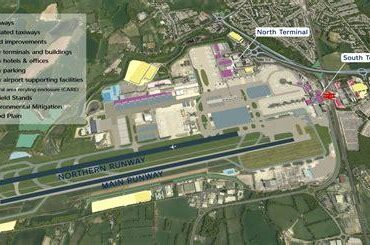
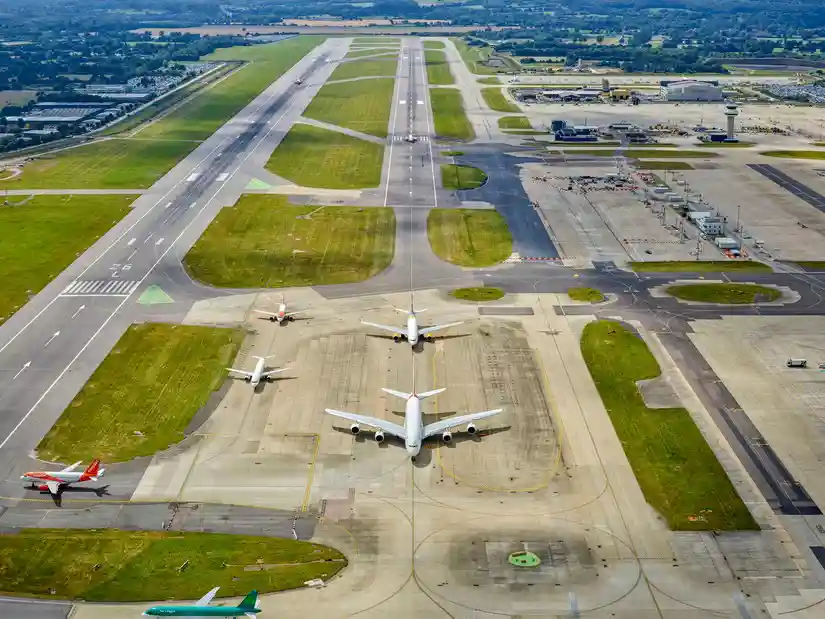
For years, Gatwick has operated in a unique but restrictive position. Although the airport technically has two runways, their close spacing means they cannot normally be used independently for simultaneous arrivals and departures. As a result, Gatwick has effectively functioned as one of the world’s busiest single-runway airports, limiting growth and creating challenges during periods of disruption.
The approval of the Northern Runway project marks a significant milestone after an eight-year planning and legal process. The airport had originally secured government approval in September 2025, but environmental campaign groups challenged the decision, arguing that the assessment process did not fully consider the impact of aviation emissions beyond carbon dioxide.
Court of Appeal Rejects Environmental Legal Challenges
London Gatwick Airport confirmed that the Court of Appeal had rejected the legal challenges against its planning permission, allowing the expansion program to proceed. The challenges followed earlier court proceedings in which campaign groups argued that the government’s approval process had failed to properly evaluate the environmental consequences of the project.
The groups raised concerns that the environmental impact assessment focused primarily on carbon dioxide emissions while not adequately addressing other aviation-related emissions. After previous legal attempts were unsuccessful, campaigners considered further appeals, but the latest Court of Appeal decision has now brought the dispute to an end.
Gatwick Chief Executive Officer Pierre-Hugues Schmit described the ruling as the conclusion of a detailed and highly scrutinized planning process. The decision provides the airport with greater certainty as it prepares to transform its existing northern runway from a limited-use strip into a fully operational runway.
How Gatwick’s Two-Runway Operation Will Work
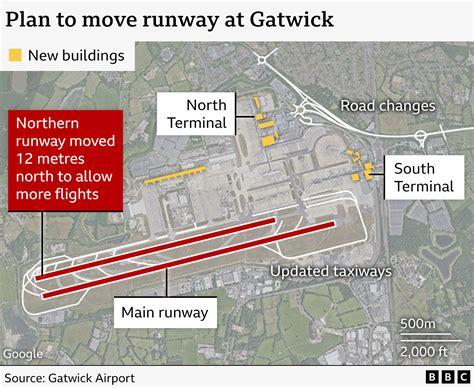
Unlike major international airports with widely separated parallel runways, Gatwick will not operate two fully independent runways capable of handling simultaneous arrivals. The airport’s existing main runway measures 3,316 meters (10,879 feet) and is capable of handling large commercial aircraft, including widebody jets operating long-haul routes.
The northern runway, currently measuring 2,565 meters (8,415 feet), has traditionally been used mainly as a taxiway because of its proximity to the main runway. Under the new operational model, it will be upgraded to support additional aircraft movements while maintaining existing safety procedures.
Arriving aircraft will continue to use the longer southern runway, while larger departing aircraft will also primarily operate from that runway. However, smaller departing aircraft will be able to use the northern runway, creating additional flexibility during busy periods.
This approach will allow Gatwick to increase aircraft movements without requiring a completely new runway layout. By separating some departure operations, the airport expects to reduce congestion, improve scheduling reliability, and better manage peak travel periods.
A Major Capacity Increase for One of Europe’s Busiest Airports
The Northern Runway project represents a major expansion opportunity for Gatwick, which has faced capacity limitations for years. With passenger demand continuing to grow, the airport’s current single-runway operation has restricted its ability to add more flights and respond efficiently to unexpected disruptions.
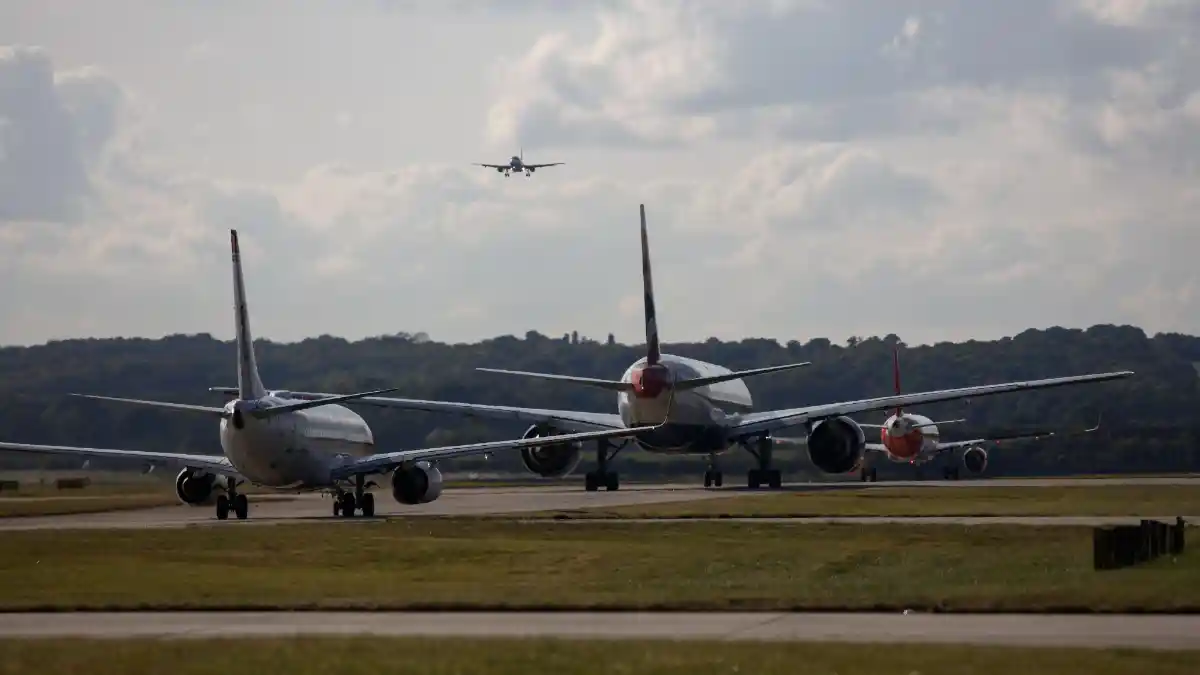
Recent operational challenges have highlighted the vulnerability of the existing system. When incidents occur on the main runway, such as aircraft technical problems blocking operations, hundreds of flights can be affected. Additional runway capacity will provide greater operational resilience and reduce the risk of widespread cancellations and diversions.
The expansion is expected to deliver significant economic benefits as well. Gatwick estimates that the project could create around 14,000 new jobs and provide approximately £1 billion ($1.3 billion) in annual economic benefits through increased aviation activity, employment opportunities, and related business growth.
Gatwick’s Future Role in UK Aviation Growth
The approval of the Northern Runway expansion comes at a critical time for the UK aviation industry. Airports across Europe are competing to meet rising passenger demand while balancing concerns over environmental impact and sustainable growth.
For Gatwick, the project offers a way to expand within its existing footprint rather than building an entirely new airport facility. The airport believes the additional capacity will strengthen its position as a major international hub while supporting airlines seeking more flexible operations in the London market.
The project will also help improve passenger experience by reducing delays, increasing schedule reliability, and allowing airlines greater opportunities to add routes. For travelers, the most noticeable improvements may come during peak travel seasons when runway limitations have historically created congestion.
While the expansion will not create a traditional dual-runway system like those seen at larger global airports, it represents a practical solution tailored to Gatwick’s unique layout. By bringing its northern runway into regular service, the airport can unlock additional capacity while making better use of infrastructure that already exists.
With the legal challenges now resolved, London Gatwick Airport can move ahead with implementing its Northern Runway plans, marking one of the most significant aviation infrastructure developments in the United Kingdom in recent years.