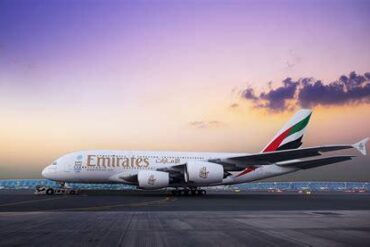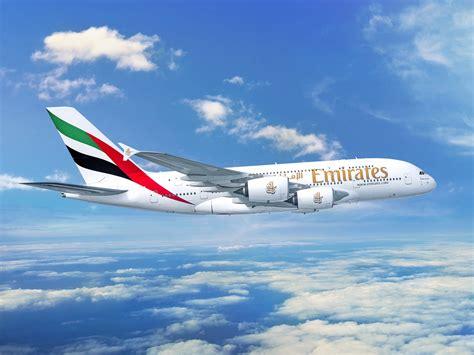
Dubai-based airline Emirates has made a significant operational shift, scaling back its flagship Airbus A380 services to London Gatwick Airport (LGW) from three to two daily flights, even as it gains additional slots to expand its UK presence. The adjustment, driven by winter capacity strategy, has reverberated across the industry, given Emirates’ status as the world’s largest A380 operator and Gatwick’s strategic role in its European network.
Strategic Realignment: From Gatwick to Zurich
Starting January 2026, Emirates will reassign one of its three daily A380 services from Dubai International Airport (DXB) to London Gatwick, replacing it with a Boeing 777-300ER on the third daily route. Simultaneously, the airline will increase its capacity on the Dubai–Zurich route, offering two daily Airbus A380 flights instead of the current single service.
According to data from aviation analytics firm Cirium, the schedule update is visible through May 30, 2026. However, Emirates’ official website shows these changes extending through at least June 24, 2026, indicating the airline’s medium-term commitment to this new configuration.
This shift marks a significant move for Emirates, given that Zurich Airport (ZRH) is a critical gateway to Central Europe. By deploying an additional A380 to Zurich, Emirates is doubling its high-capacity presence on a route where it faces direct competition from SWISS International Air Lines. In contrast, the Dubai–Gatwick route remains exclusively served by Emirates, making the decision to downgrade one of its services from A380 to 777-300ER a noteworthy trade-off.
Capacity Calculus: Understanding the Fleet Dynamics
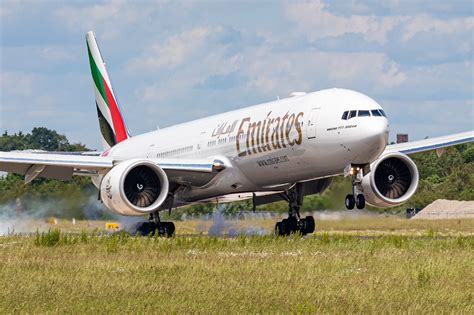
The Airbus A380 remains the crown jewel of Emirates’ fleet, with 118 units in service, featuring a range of configurations. Most of Emirates’ A380s seat 486 to 517 passengers across first, business, and economy classes. However, the airline also operates high-density versions accommodating up to 615 passengers, optimized for routes with heavy demand and limited slot availability.
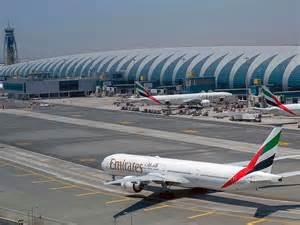
The Boeing 777-300ER, while smaller, is a reliable long-haul workhorse that offers flexibility and efficiency. Emirates’ strategic fleet allocation reveals a balancing act between maximizing seat yield, route competitiveness, and fleet optimization in the face of evolving travel demand across Europe.
Why Gatwick, Why Now?
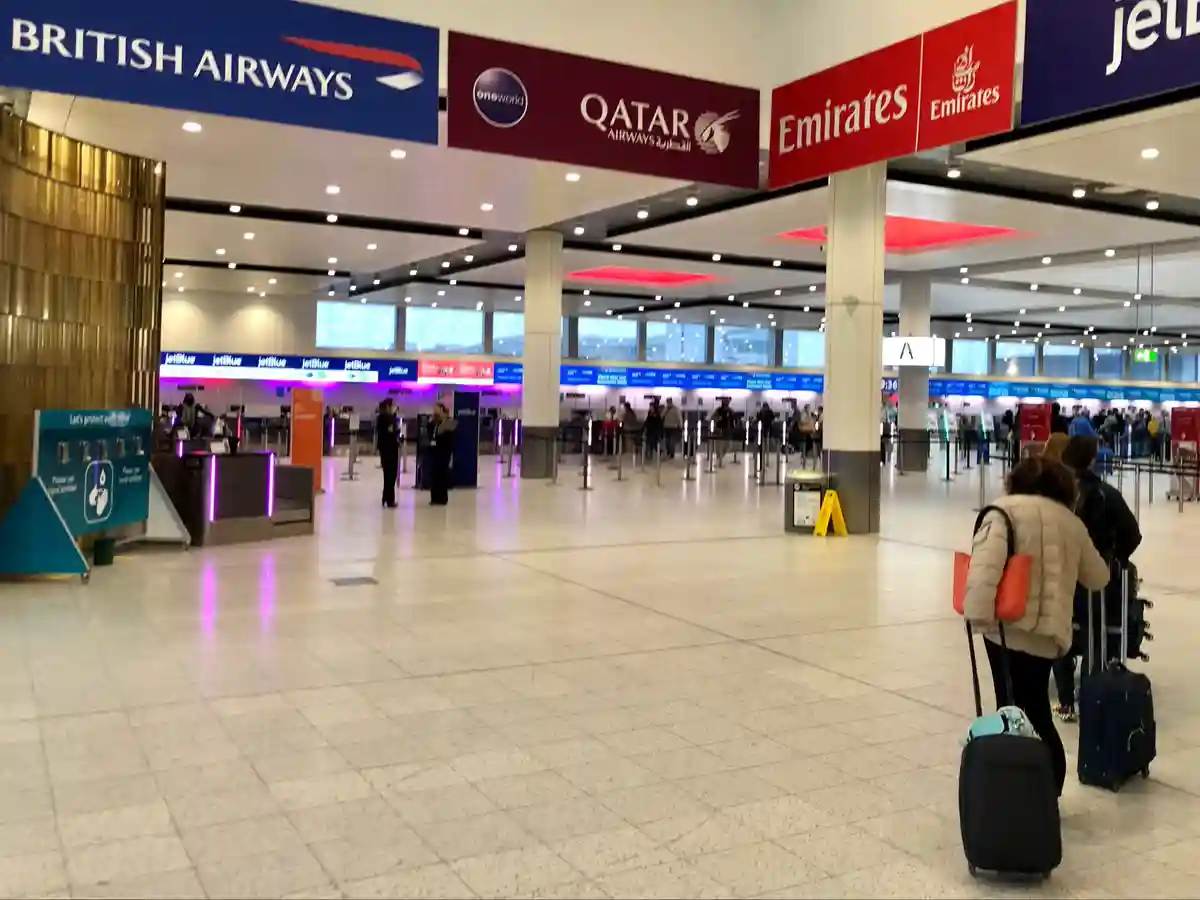
While London Heathrow remains Emirates’ primary UK hub, Gatwick has served as a vital alternative gateway for South London and the broader Southeast region. Emirates initially planned to scale Gatwick operations to four daily flights as early as 2016, but the plan was delayed, only materializing briefly in September 2019.
In June 2025, Emirates was once again awarded slots to operate up to four daily flights at both London Gatwick and Manchester (MAN), according to the Winter 2025 Initial Coordination Reports by Airport Coordination Limited (ACL). If fully utilized, this would boost Emirates’ total London departures to 12 per day, a formidable presence that underscores the carrier’s deep investment in the UK market.
Yet, Emirates’ latest move to reduce A380 services to Gatwick — despite acquiring expansion slots — raises critical questions. Historically, airlines secure slots to preserve future opportunities but may not utilize them immediately. Emirates appears to be applying a wait-and-see approach, prioritizing flexibility over aggressive expansion in the short term.
Competitive Landscape: Zurich vs. London
The dynamics between Emirates’ Dubai–Zurich and Dubai–London routes are fundamentally different. On the Zurich route, competition from SWISS necessitates aggressive capacity deployment to maintain market share. By contrast, on the Gatwick route, Emirates enjoys a monopoly on direct services, allowing greater latitude in how it configures its aircraft without losing ground to rivals.
In economic terms, Zurich’s high-spending business and leisure travelers make it an attractive market for premium cabin offerings. The dual A380 deployment enables Emirates to tap deeper into corporate travel, Swiss tourism, and European connections, especially during the winter months when ski tourism spikes.
Broader Network Developments: From Damascus to Dublin
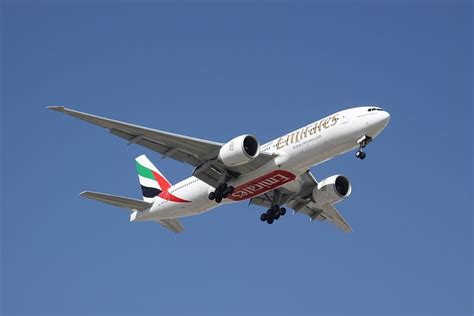
Emirates’ reduction of A380 frequencies to Gatwick is only one part of a broader reshuffling of its global network. The carrier recently announced it would resume flights to Damascus, Syria, on July 16, 2025, marking its return after 13 years of absence. Initially launching with three weekly Boeing 777-200LR flights, the route will shift to daily operations from October 26, aligning with the IATA winter schedule.
Damascus becomes the fifth city added to Emirates’ network in 2025, joining Da Nang (Vietnam), Hangzhou and Shenzhen (China), and Siem Reap (Cambodia). These additions reflect Emirates’ ambition to broaden its footprint across underserved or re-emerging markets, even as it optimizes capacity across more mature routes.
The airline is also set to increase its Dublin operations to three daily flights, demonstrating a consistent push into high-demand European hubs, aligning with the latest slot allocations confirmed by ACL.
Long-Term Vision and Industry Implications
The reallocation of an A380 from London Gatwick to Zurich should not be viewed in isolation. Rather, it fits into a wider Emirates strategy that emphasizes:
- Efficient fleet utilization, especially of its aging A380 units, some of which are set for gradual retirement in the coming decade
- Market responsiveness, dynamically adjusting capacity to meet fluctuating demand, competition, and seasonal trends
- Strategic slot management, ensuring the airline holds valuable real estate in congested airports even if not immediately used
Moreover, the changes highlight how Emirates continues to reshape its European presence post-pandemic. With competitors like Qatar Airways, Turkish Airlines, and Lufthansa aggressively rebuilding their long-haul networks, Emirates is leveraging its hub-and-spoke model via DXB to sustain dominance in both premium and economy travel.
Passenger Experience and Product Impact
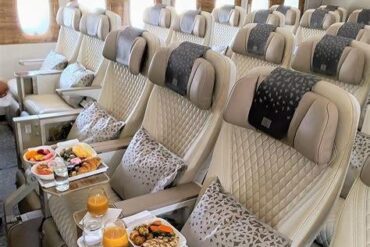
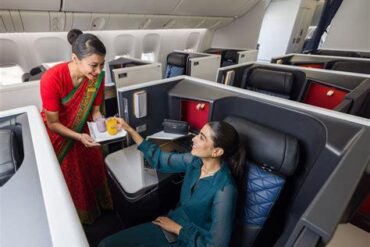
While the shift from A380 to 777-300ER on one daily LGW rotation might seem like a downgrade to passengers, Emirates maintains consistency in product quality. The 777-300ERs still offer First Class private suites, flat-bed Business Class seats, and award-winning inflight entertainment (ICE) across all classes.
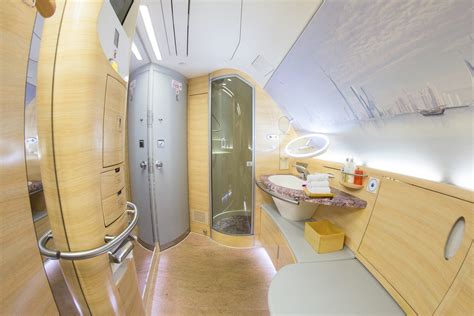
However, the loss of the A380’s signature onboard lounge and shower spa will likely be noticed by premium travelers. For passengers prioritizing these amenities, it may influence their choice of flight timing or even airport, pushing them toward Heathrow, where Emirates continues to operate six daily A380 flights.
Conclusion: A Tactical Pivot, Not a Retrenchment
In trimming its A380 services to just twice daily at London Gatwick, Emirates is making a calculated, tactical pivot rather than signaling a retreat. With added frequencies in Zurich, Dublin, and Damascus, and the flexibility to reinstate A380s or introduce new aircraft like the upcoming A350-900s, Emirates is poised for continued growth.
The Gatwick reduction reflects the airline’s nuanced strategy of right-sizing operations to meet demand while preserving future growth potential through prudent slot acquisitions. As the European aviation landscape evolves, all eyes remain on how Emirates continues to fine-tune its high-capacity, high-service global network.