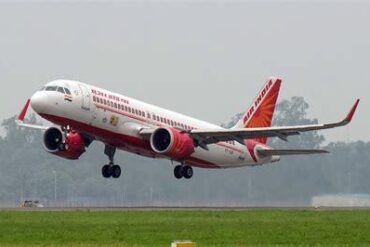
Air India has recently made significant adjustments to its international flight schedule, affecting numerous routes including those to London, Dubai, Zurich, San Francisco, Vancouver, Tokyo, Nairobi, Delhi, and Milan. The airline’s decision to cancel over 20 scheduled flights on June 19, 2025, was primarily driven by urgent safety inspections of its aircraft fleet and challenges posed by geopolitical tensions, particularly in the Middle East. This abrupt change has left many passengers stranded and scrambling to make alternate travel arrangements.
The cancellations targeted some of Air India’s most trafficked long-haul services, creating ripples across both domestic and international travel networks. Flights that were impacted include:
- Dubai (DXB) to Delhi (DEL) – AI916
- Amsterdam (AMS) to Delhi (DEL) – AI156
- Zurich (ZRH) to Delhi (DEL) – AI152
- Paris (CDG) to Delhi (DEL) – AI143
- Bengaluru (BLR) to London Heathrow (LHR) – AI133
Passengers traveling to and from key international hubs faced severe delays, missed connections, and considerable frustration due to the lack of prior notice regarding these changes. Air India attributed these drastic measures to the necessity of immediate safety protocols and route adjustments, which are essential given the current state of global airspace constraints.
Operational Disruptions Across India
In addition to international routes, Air India’s domestic network also suffered significant disruptions. Key Indian cities such as Mumbai, Ahmedabad, Pune, Indore, Amritsar, Kolkata, Coimbatore, and Vadodara saw multiple flights grounded. These routes are critical for daily business operations, tourism, and personal travel, underscoring the magnitude of the operational changes. The total number of flights grounded on June 19 alone exceeded 20, significantly impacting hundreds of travelers and putting immense pressure on airport services and customer support teams.
Temporary Reduction in International Operations
In a broader operational strategy, Air India has announced a 15% reduction in its international widebody flight operations, effective from June 21 through mid-July. This adjustment primarily affects flights operated by the Boeing 787 Dreamliner and Boeing 777 aircraft, which are pivotal for the airline’s long-haul international routes. The reasons behind this decision include:
- Increased safety inspections mandated by India’s Directorate General of Civil Aviation (DGCA)
- Nighttime airspace curfews imposed in parts of Europe and East Asia
- Diversions required around ongoing conflict zones in the Middle East
Air India clarified that these actions aim to enhance schedule reliability, minimize last-minute cancellations, and prioritize the safety of passengers and crew members alike.
Specific Routes Under Suspension
During this reduction period, certain international routes have been fully suspended:
- Delhi (DEL) to Nairobi (NBO): 4 times weekly (Flights AI961/962) suspended until June 30
- Amritsar (ATQ) to London Gatwick (LGW): 3 times weekly
- Goa Mopa (GOX) to London Gatwick (LGW): 3 times weekly
These particular routes cater to a mix of leisure travelers and expatriates and are anticipated to resume operations once the necessary inspections and evaluations are completed.
Adjustments to North American and European Schedules
The changes also extend to high-capacity transatlantic flights, which are experiencing frequency reductions:
- Delhi to Toronto (YYZ): Reduced from 13 to 7 times weekly
- Delhi to Vancouver (YVR): Reduced from 7 to 5 times weekly
- Delhi to San Francisco (SFO): Reduced from 10 to 7 times weekly
- Delhi to Chicago (ORD): Reduced from 7 to 3 times weekly
- Delhi to Washington Dulles (IAD): Reduced from 5 to 3 times weekly
In Europe, several other routes will operate at diminished frequencies:
- Delhi to London Heathrow (LHR): From 24 to 22 times weekly
- Bengaluru to London Heathrow (LHR): From 7 to 6 times weekly
- Amritsar/Delhi to Birmingham (BHX): From 3 to 2 times weekly
- Delhi to Paris (CDG): From 14 to 12 times weekly
- Delhi to Milan (MXP): From 7 to 4 times weekly
- Delhi to Copenhagen (CPH): From 5 to 3 times weekly
- Delhi to Vienna (VIE): From 4 to 3 times weekly
- Delhi to Amsterdam (AMS): From 7 to 5 times weekly
Services to Australia and East Asia are also witnessing slight cutbacks, affecting routes such as Delhi to Melbourne and Sydney and Delhi to Tokyo Haneda.
Root Cause: Safety Audits Following Tragic Incident
These operational changes come in the wake of the tragic crash of Air India Flight AI171 near Ahmedabad earlier this month, which resulted in over 270 fatalities. In response to this disaster, the DGCA mandated emergency safety audits of Air India’s widebody fleet, focusing primarily on the Dreamliner and Boeing 777 aircraft. So far, inspections have shown that:
- 26 of 33 Boeing 787 Dreamliners have completed inspections
- 66 Dreamliner flights have been canceled post-crash
- The Boeing 777 fleet is currently undergoing precautionary reviews
While widespread cancellations have raised concerns, findings from the DGCA have yet to identify systemic safety issues, and Air India continues to adhere to standard maintenance protocols.
Support for Affected Travelers
In light of the disruption, Air India has extended its apologies to affected passengers and introduced flexible options to alleviate the inconvenience. These options include:
- Free rebooking to alternate flights
- Full refunds for canceled services
- Complimentary rescheduling within a specified timeframe
To assist travelers and minimize confusion, the airline has updated its website, mobile application, and contact centers with real-time information.
Long-Term Strategy Remains Unchanged
Despite these temporary disruptions, Air India remains steadfast in its long-term expansion and modernization goals. Since its privatization under Tata Sons in 2022, the airline has embarked on an ambitious transformation journey, which includes:
- Placing historic aircraft orders with Boeing and Airbus
- Rebranding efforts featuring a new logo and visual identity
- Upgrading cabin interiors and onboard services
- Expanding crew training and digital platforms
Aviation analysts express optimism that this temporary downturn will not impede Air India’s resurgence as a leading global carrier.
Conclusion
Air India’s recent decision to suspend and reduce flights is a proactive measure aimed at addressing safety concerns amidst unprecedented operational challenges. While passengers may face short-term inconveniences, the airline’s transparent communication and commitment to safety are critical in preserving traveler trust during this challenging period. With enhanced inspections nearing completion and ongoing route evaluations, Air India is poised to restore full services in the upcoming weeks—stronger, safer, and better prepared for sustained global growth.