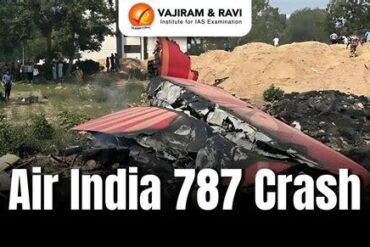
In the aftermath of the catastrophic June crash of Air India Flight 171, India’s aviation regulator has issued an unprecedented mandate that may redefine global safety standards for years to come. The Directorate General of Civil Aviation (DGCA) has ordered all Indian operators of Boeing aircraft to conduct immediate inspections of the critical fuel control switches, setting a deadline of July 21 to complete checks or face grounding. This sweeping directive—driven by early findings that implicate a mysterious movement of protected cockpit controls—has triggered a worldwide scramble among airlines and regulators to reevaluate one of the most fundamental aspects of jet safety.
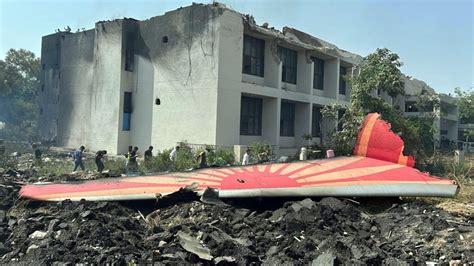
The incident that sparked this urgent action occurred moments after Flight 171, a Boeing 787 Dreamliner bound for London, departed Ahmedabad. Seconds into the climb, both engines suddenly lost fuel pressure, sending the aircraft into a fatal descent that ended against a nearby hostel. All 260 passengers and crew perished, along with 19 people on the ground; miraculously, a single passenger survived. The preliminary report by India’s Aircraft Accident Investigation Bureau (AAIB) revealed that both fuel control switches had been moved from the “RUN” to the “CUTOFF” position—an impossible scenario according to Boeing’s own design, which incorporates mechanical guards to prevent inadvertent activation.
The Anatomy of a Fuel Switch Failure
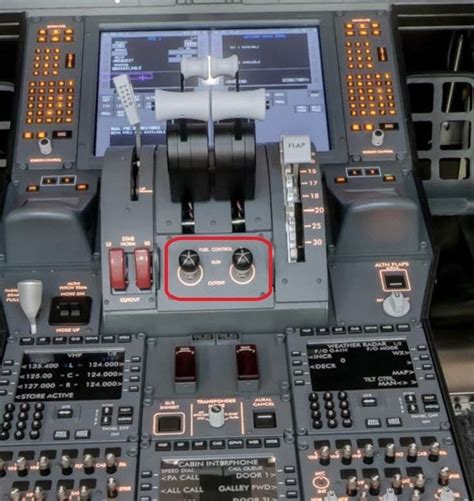
Fuel control switches are the lifeline of a jetliner’s engines. When set to RUN, they allow continuous flow of aviation kerosene into the combustion chambers; in the CUTOFF position, they starve the engines and induce an immediate power loss. In normal operations, these toggles are shielded by spring-loaded locks and raised detents, requiring deliberate force and a clear visual confirmation before they can be moved. Yet, cockpit voice recorder transcripts capture the bewildered voices of AI 171’s crew, one pilot asking why the engines quit and the other denying any manipulation of the switches. The simultaneous movement of both controls in the heat of departure—a phase that typically demands the pilots’ full focus—points to a systemic vulnerability rather than mere human error.
DGCA’s Hardline Inspection Directive
On July 14, the DGCA issued a safety circular that left airlines no wiggle room: every Boeing-operated jet in India must undergo a hands-on inspection of its fuel switch locking mechanism by July 21. The order requires:
- Physical verification that the guard assemblies are intact and conform to Boeing’s design specifications.
- Functional testing to ensure the switches cannot be displaced under vibration or light contact.
- Detailed documentation of each inspection, to be reported back to the DGCA by the deadline.
Failure to comply, the circular warns, will result in immediate grounding until the anomaly is rectified. For a nation with one of the fastest-growing aviation markets in the world, this represents a seismic operational challenge: dozens of Dreamliners, 777s, and other Boeing types must be cycled through maintenance bays at unprecedented speed, straining crew rosters, spare parts inventories, and hangar space.
Ripples Across the Globe
India’s bold move has triggered a domino effect. South Korea’s aviation authority has announced plans to replicate the DGCA’s mandate for all domestic carriers operating Boeing jets, while Japan’s Ministry of Land, Infrastructure, Transport and Tourism is evaluating its own emergency measures. Etihad Airways in Abu Dhabi has already initiated voluntary inspections, and European regulators are convening special safety committees to determine whether to elevate existing advisories into binding orders. The urgency stems from the fact that Boeing’s 2018 advisory—issued after minor switch misalignments were detected in a handful of aircraft—was non‑mandatory. Airlines like Air India, interpreting the FAA’s guidance as optional, never conducted the checks until tragedy forced a rethink.
Advisory Versus Mandate: A Regulatory Conundrum
The core of the debate centers on the weight of advisory bulletins. Advisories are intended to highlight potential risks and suggest best practices, while airworthiness directives (ADs) carry legal force. In 2018, the FAA’s bulletin urged airlines to inspect the locking feature on Dreamliner fuel switches after discovering slight deviations during routine maintenance. Because it lacked the status of an AD, many carriers deferred the task amid tighter budgets and more pressing airworthiness programs. The AI 171 disaster has renewed calls among safety experts to eliminate the advisory-category altogether, arguing that any identified hazard—no matter how minor—should trigger a mandatory inspection.
Behind the Scenes: Airline Maintenance Under Fire
Indian carriers have mobilized elite teams of technicians, working in shifts around the clock to keep fleets flying. Air India and Air India Express report that nearly half of their Dreamliner fleet has already passed the DGCA’s inspection; no defects have yet been found beyond the expected wear on guard springs. Nevertheless, the rush has forced airlines to reassign engineers from other scheduled maintenance tasks, creating backlogs for engine borescope inspections, cabin refurbishments, and avionics upgrades. Some regional operators, with fewer spares on hand, face the risk of short‑notice cancellations if replacement parts cannot be procured quickly.
Boeing’s Reputation on the Line
For Boeing, the timing could not be worse. Fresh from the fallout of the 737 MAX groundings and settlements, the company now confronts skepticism over its flagship 787 series. Boeing maintains that the Dreamliner remains one of the safest aircraft ever built, citing thousands of trouble‑free flights. Yet the prospect of a design review—or even a recall of guard assemblies—looms large. Stakeholders worry that continued safety headlines will erode passenger confidence, with potential revenue losses hitting airlines first and rippling back to the manufacturer.
Pilots Speak Out: Complexity Over Blame
The Indian Commercial Pilots’ Association has been vocal in defending the professionalism of AI 171’s crew. Their statement emphasizes that aviation disasters are never the result of a single error; rather, they emerge from a web of mechanical factors, human interactions, and procedural gaps. Union leaders caution against premature finger‑pointing, noting that cockpit workload during takeoff is high and that any additional cockpit confusion—such as switch anomalies—can precipitate cascade failures despite pilots’ best efforts.
The Ongoing Probe: Sanjay Kumar Singh’s Leadership
At the helm of the AAIB investigation is Sanjay Kumar Singh, a 25-year veteran of the Indian Air Force and AAIB director since 2023. Under his guidance, the bureau has deployed rapid-response “Go Kits” to crash sites and modernized its data-analysis labs. Singh’s preliminary report zeroed in on the fuel switches as the probable trigger, but he has urged caution: the final report, due in the coming months, will evaluate mechanical design, software logs, cockpit voice recordings, and human‑factors analyses in concert. Aviation authorities worldwide await his findings, which could influence new airworthiness directives, cockpit ergonomics standards, and manufacturer retrofit requirements.
What Passengers Need to Know
Despite the headlines, airlines continue scheduled flights on Dreamliners and other Boeing types, reassuring customers that safety remains paramount. Travel experts advise passengers to stay informed but not alarmed: the vast majority of flights operate without incident, and the industry’s detection-and-correction mechanisms are more robust than ever. Passengers with concerns can check airline notices for any local groundings or equipment swaps and may opt for direct inquiries to customer service. Ultimately, aviation safety is a dynamic process, and today’s mandates may be tomorrow’s standard practice.
A Watershed Moment for Safety Culture
The AI 171 tragedy underscores a critical lesson: no component is too small to escape scrutiny. A single switch, hidden behind a guard, forced an entire industry to confront the distinction between recommendation and requirement. Regulators are now debating whether to elevate all future advisories to binding airworthiness directives. Manufacturers, airlines, and pilot groups are collaborating on enhanced design features—such as secondary interlocks, electronic lock confirmations, and real‑time cockpit sensor alerts—that could render mechanical guard failures moot. The hope is that the world’s response to this disaster will set a new baseline for preventive safety, ensuring that the smallest detail never goes unchecked again.
Conclusion
India’s decisive action in mandating fuel switch inspections has ignited a global aviation safety shake‑up. As airlines race to comply, regulators debate the future of advisory bulletins, and manufacturers update designs, one fact remains clear: at 30,000 feet, human lives depend on every switch and safeguard working perfectly. The coming months will reveal whether this urgent overhaul leads to lasting reforms or fades once the immediate crisis subsides. But for now, the world’s eyes are firmly on India’s DGCA, Sanjay Kumar Singh’s AAIB, and Boeing’s response to a challenge that may redefine how we ensure safety in the skies.