The tragic Air India Flight AI171 disaster has triggered a wave of introspection across the global aviation industry. With over 240 lives lost in one of the deadliest crashes in recent memory, a renewed urgency now surrounds airline safety standards. As investigators probe the catastrophic failure of the Boeing 787 Dreamliner shortly after takeoff from Ahmedabad en route to London Gatwick, the aviation world confronts a painful truth: even the most advanced aircraft and seasoned carriers are not immune to tragedy.
In the aftermath of this calamity, the 2025 AirlineRatings.com Safety Rankings have assumed heightened relevance. These rankings have become an essential barometer for assessing airline safety worldwide, spotlighting the carriers whose commitment to passenger safety, operational excellence, and regulatory compliance sets them apart.
Global Grief Ignites a Demand for Higher Standards
The crash site in a densely populated residential neighborhood painted a scene of chaos and sorrow. Beyond the physical wreckage, the psychological impact reverberated across borders, shaking traveler confidence and igniting fresh calls for stricter safety accountability.
Air India’s checkered safety history, aging fleet, and persistent operational lapses now face global scrutiny. As family members of victims await answers, civil aviation authorities are examining the airline’s maintenance protocols, crew training procedures, and emergency readiness plans. The wider industry, meanwhile, is reassessing its benchmarks—driven by the urgent question: Which airlines are truly safe in 2025?
The 2025 Airline Safety Rankings: A Critical Lens on Trust
AirlineRatings.com‘s annual rankings are widely respected for their methodological rigor. To rank airlines, the organization evaluates:
- Accident and incident history over two years
- Fleet age and aircraft maintenance records
- International safety certifications (including IOSA)
- Compliance with ICAO and IATA safety standards
- Profitability, which supports investment in training and technology
- In-house safety culture and audit transparency
Airlines that fall short in any category, especially those with unresolved safety audits or inconsistent incident reporting, are excluded from the upper echelons of the list.
Air New Zealand and Qantas: Global Gold Standards
Air New Zealand leads the 2025 list as the safest airline in the world, narrowly surpassing long-time rival Qantas. The Kiwi carrier’s modern fleet, robust pilot training, and top-tier maintenance protocols earned it the top spot. Safety audits consistently note its predictive maintenance systems and highly engaged safety management teams.
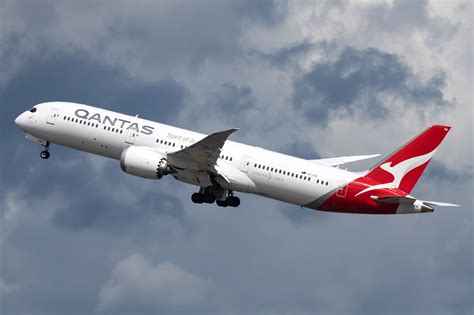
Qantas, often dubbed “the world’s safest airline” in prior years, maintains an extraordinary safety record with zero fatal crashes in the jet age. Its safety legacy continues through rigorous simulator training, redundancy-focused aircraft systems, and strict regulatory adherence.
Following closely are Cathay Pacific, Qatar Airways, and Emirates, which share joint third place. Each boasts:
- Advanced aircraft fleets (A350, B777, and Dreamliner models)
- Strict crew fatigue management systems
- High compliance scores in global audits
Alaska Airlines: America’s Leading Safety Champion
Among North American carriers, Alaska Airlines earns the distinction of highest-ranking U.S. airline. Known for its pioneering integration of technology into safety systems, Alaska has consistently focused on preventive maintenance, data-driven decision making, and transparent incident reporting. These efforts solidify its position as a model of operational discipline within a highly competitive market.
Other high-performing full-service airlines for 2025 include:
- Virgin Australia
- Etihad Airways
- ANA (All Nippon Airways)
- EVA Air
- Korean Air
- Turkish Airlines (THY)
Low-Cost Airlines: Proving Safety Doesn’t Have to Be Expensive
The belief that budget airlines cut corners on safety has been debunked by the 2025 rankings. Leading the pack is HK Express, praised for its impeccable safety record and alignment with ICAO safety protocols.
Other notable low-cost carriers include:
- Jetstar Group
- Ryanair
- easyJet
- AirAsia
- Frontier Airlines
These airlines have consistently invested in fleet renewal, maintenance contracts with certified providers, and in-house training that rivals that of full-service airlines. Their performance proves that affordability and safety are not mutually exclusive.

Gulf and Asia-Pacific Carriers Continue to Dominate
Gulf region airlines have again proven their dominance, with Emirates, Qatar Airways, Etihad Airways, flydubai, and Air Arabia all receiving strong safety ratings. Their common factors include:
- Young fleets with average aircraft age under seven years
- Ample financial reserves for ongoing safety investments
- State-of-the-art training academies and simulators
In the Asia-Pacific, carriers like Cathay Pacific, ANA, EVA Air, Japan Airlines, and Vietnam Airlines maintain exceptional records. Their compliance with local regulatory regimes—often stricter than international norms—coupled with cultural emphasis on precision, continues to deliver results.

Learning from Loss: Safety as a Moving Target
The Air India crash has spurred an industry-wide introspection into what defines safety in 2025. Experts caution against complacency, especially as technological automation and AI-assisted cockpit systems become more embedded in aircraft operations.
Authorities in India and abroad are investigating:
- Crew response times to in-flight anomalies
- Potential maintenance oversights or software malfunctions
- Emergency services coordination at airports
This tragic event has also refocused regulatory debate on whether aging fleets—despite upgrades—can ever truly match the fail-safes of newer models. Airlines such as Air New Zealand and Emirates, which consistently invest in fleet modernization, now appear ahead of the curve.
Flying Is Still Incredibly Safe—Statistically
Despite 2025’s somber start, flying remains one of the safest modes of transport. Between 2018 and 2022, the fatal risk per boarding was 1 in 13.7 million. Even the dramatic AI171 disaster does not alter the broader trend—commercial aviation continues to outpace rail, road, and sea in safety.
In contrast, road accidents claimed over 1.19 million lives in 2023, according to the World Health Organization. By this measure, flying is over 1,000 times safer than road travel. Nevertheless, perceptions shift with tragedy, and airlines must proactively reassure the public.
Conclusion: Rankings That Reflect Responsibility, Not Just Reputation
The 2025 Airline Safety Rankings offer more than a scorecard—they reflect the operational DNA of carriers that prioritize human life above profit. From Air New Zealand’s unrelenting standards to HK Express’s discipline in budget flying, the message resonates: safety is earned daily.
The loss of Air India Flight AI171 will remain etched in memory. But out of grief comes clarity. Passengers, regulators, and airlines now face the future with a renewed sense of responsibility—and with a clear understanding of which carriers they can trust when lives are at 35,000 feet.