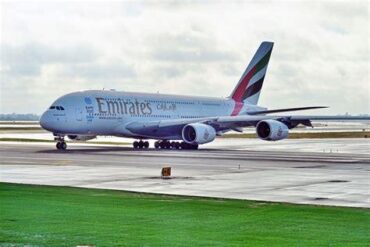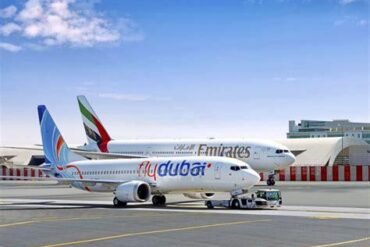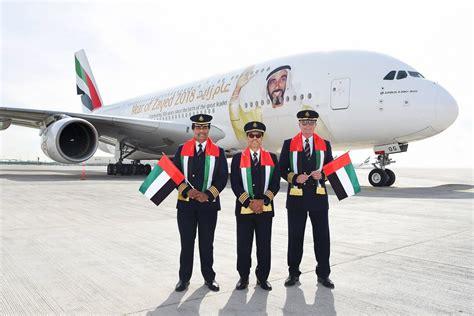
The rankings come at a time when the aviation community is grappling with the repercussions of a tragic incident involving Air India Flight AI171, which claimed over 270 lives. This heartbreaking event has reignited discussions around safety protocols and the unpredictable nature of air travel. In stark contrast, the high performance of Emirates, Etihad, Flydubai, and Air Arabia in the latest safety evaluations highlights a contrasting narrative of reliability and trustworthiness.
A Closer Look at the 2025 Global Airline Safety Rankings
The annual safety rankings, compiled by AirlineRatings.com, evaluate airlines globally based on rigorous criteria tailored to measure safety comprehensively. For 2025, Air New Zealand has been recognized as the safest full-service airline, while HK Express has taken the lead in the low-cost carrier category. Notably, Qatar Airways and Emirates shared third place among full-service airlines, with Etihad Airways securing fifth position. Meanwhile, both Flydubai and Air Arabia distinguished themselves as leading low-cost carriers in the safety category, further solidifying the Gulf region’s reputation in global aviation leadership.
Criteria for Evaluating Airline Safety
The comprehensive assessment conducted by AirlineRatings.com involves the expertise of seasoned aviation consultants, senior pilots, and safety analysts. The evaluation encompasses several critical factors that shape an airline’s overall safety profile, including:
- History of serious incidents within the past two years
- Age and size of the aircraft fleet
- Frequency and nature of safety-related events
- Total fatalities (if any)
- Financial performance and sustainability
- Certification under the IATA Operational Safety Audit (IOSA)
- Results from ICAO country safety audits
- Quality and depth of pilot training programs
This multifaceted approach ensures that the rankings reflect not only isolated incidents but also long-term operational safety, management commitment, and adherence to global best practices.
Safety in the Skies: A Reassurance Amidst Tragedy
While the recent tragedy involving Air India has cast a shadow over the aviation industry, it is essential to recognize that flying remains one of the safest modes of transportation available today. According to data from recent years, the probability of a fatal accident per flight stands at approximately one in 13.7 million. In comparison, road travel poses significantly higher risks; the World Health Organization (WHO) reported over 1.19 million road traffic deaths in 2023, translating to more than two fatalities every minute. This stark comparison underscores the relative safety of commercial air travel, especially when operated by airlines that prioritize rigorous safety protocols and well-trained crews.
The Role of Technology and Training in Airline Safety
The advancements in aviation technology have played a crucial role in enhancing safety standards across the industry. Airlines are increasingly adopting cutting-edge technologies that not only bolster safety but also streamline operations. From advanced navigation systems to real-time monitoring of aircraft performance, technology is reshaping the landscape of aviation safety. Furthermore, comprehensive training programs for pilots and crew members ensure that they are well-prepared to handle emergencies, thereby minimizing risks associated with human error.
The commitment to safety is evident in the operational practices of Emirates, Etihad, Flydubai, and Air Arabia. These airlines invest heavily in maintaining modern fleets and adhere to international safety protocols, ensuring that they remain at the forefront of aviation safety. Their outstanding performance in critical safety metrics reflects a collective dedication to providing passengers with a secure flying experience.
The Future of Aviation Safety
Looking ahead, the aviation industry is poised for continued improvement in safety standards through ongoing investments in technology, enhanced training, and stringent regulatory oversight. Despite recent tragedies, the broader picture indicates a relentless pursuit of safety, with airlines working tirelessly to uphold their reputations as leaders in the field. The commitment shown by Emirates, Etihad, Flydubai, and Air Arabia not only reinforces passenger confidence but also serves as an example for other airlines striving for excellence in safety.
Conclusion: Trust in Aviation
As millions of passengers plan their journeys across the skies, the findings of the 2025 Global Airline Safety Rankings provide a valuable resource for informed decision-making. The emphasis on safety demonstrated by Emirates, Etihad, Flydubai, and Air Arabia is a testament to their operational integrity and commitment to passenger welfare. Flying continues to be safer than ever, and travelers can take comfort in knowing they are in capable hands when they choose these reputable airlines. The rankings act as a guiding light, instilling confidence in the traveling public and reinforcing the UAE’s status as a powerhouse in global aviation.