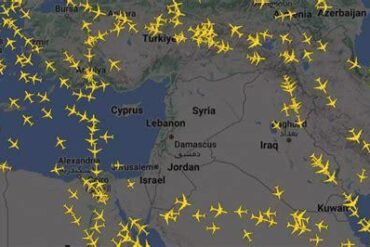
As regional tensions in the Middle East intensify, travelers across the globe are facing widespread disruption. Major airlines, including Etihad Airways, Wizz Air, Flydubai, and Air Arabia, have taken the extraordinary step of suspending flights and cancelling services across multiple destinations in the region. These decisive measures, driven by the need to ensure passenger safety and comply with evolving airspace restrictions, underscore the complex and volatile situation gripping the area. The immediate fallout has left thousands of passengers scrambling for alternatives, with rerouting and travel delays now a stark reality for many.
The unfolding crisis has placed airlines in the UAE and beyond at the forefront of managing the intricate balance between operational continuity and passenger protection. In a rapidly changing landscape where airspace closures and security risks are intensifying, these carriers have had little choice but to act decisively to safeguard their customers and crew members.
Emirates Leads Major Suspensions Across High-Risk Destinations
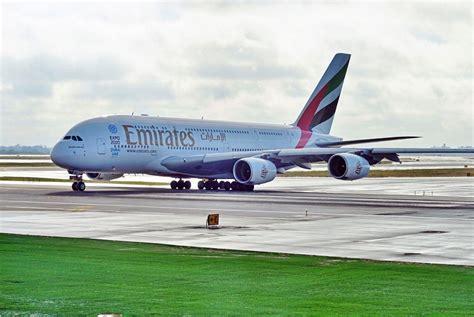
Among the most significant operational changes has been the move by Emirates Airline, the flagship carrier of Dubai, to halt flights to four key countries. The airline has suspended all services to Iraq, Iran, Jordan, and Lebanon, citing escalating security threats and restricted airspace as the core reasons for these decisions. Travelers with existing bookings to these destinations have been urged to contact Emirates or their respective travel agents to explore rebooking options or secure refunds.
Flights to Amman and Beirut are expected to remain suspended through June 22, while services to Tehran, Baghdad, and Basra are on hold until June 30 at the earliest. Emirates has made it clear that it will not accept transit passengers bound for these destinations until further notice. The airline has also reinforced its commitment to real-time communication with customers, encouraging them to regularly update their contact information and monitor flight status through its official website or mobile app.
Etihad Airways Adjusts Services in Response to Regional Instability
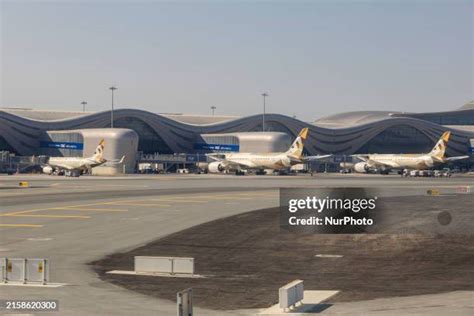
Abu Dhabi’s Etihad Airways has likewise been forced to navigate the complex security dynamics now reshaping air travel in the region. The airline has suspended flights between Abu Dhabi and Tel Aviv through June 17, 2025, as tensions surrounding Israeli airspace continue to mount. However, in a move that offers a glimmer of normalcy for some passengers, Etihad plans to restart flights to both Amman and Beirut from June 15, albeit under revised schedules that passengers will need to confirm ahead of time.

Etihad has acknowledged that rerouting will be necessary for multiple services as a result of the newly imposed airspace restrictions. It has urged customers to remain vigilant by checking for updates via its website, mobile app, or customer service centers. The carrier also flagged the possibility of further delays, warning that the situation remains fluid and could change with little notice.
Wizz Air Halts Key Services Amid Uncertainty
Low-cost carrier Wizz Air has implemented its own suite of cancellations, reflecting the airline’s proactive stance on passenger safety. All flights to and from Tel Aviv and Amman have been temporarily suspended, with operations expected to remain on hold until at least June 20. The airline has highlighted that services to and from Abu Dhabi Zayed International Airport may be subject to additional delays or cancellations due to overflight restrictions imposed across several affected airspaces.
Passengers holding Wizz Air tickets have been offered flexible options, including free rebooking to alternative dates or full refunds either in WIZZ credits or to the original form of payment. The airline has also advised customers who booked via third parties to liaise directly with their respective agencies for assistance in managing changes to their travel plans.
Flydubai’s Broad Flight Suspensions Disrupt Regional Connectivity
In an equally impactful move, Flydubai has announced extensive suspensions affecting several key markets. The airline’s services to Jordan, Lebanon, and Syria are suspended until June 16, while flights to Minsk and St. Petersburg will not operate until June 17. The airline has also paused services to Iran, Iraq, and Israel through June 20, in response to rising security risks and limited viable flight corridors.

Flydubai has warned that passengers transiting through Dubai International Airport en route to these destinations will not be allowed to continue their journeys. The airline has emphasized the importance of using its online booking management tools to explore rebooking options and to ensure that all passenger contact details are current to facilitate timely updates.
Air Arabia Grounds Flights Across Middle East and Central Asia
Sharjah-based Air Arabia has not been spared the operational turmoil now roiling the aviation sector in the region. On June 14, the airline announced it was cancelling flights to a wide array of destinations, including Iran, Iraq, Russia, Armenia, Uzbekistan, Azerbaijan, Georgia, Kyrgyzstan, and Kazakhstan. These cancellations followed earlier suspensions to similar destinations just a day prior, highlighting the cascading impact of deteriorating regional security conditions.
Air Arabia passengers transiting via Sharjah or Abu Dhabi to these now-inaccessible destinations have been advised that they will not be permitted to commence their journeys. The airline has stated that other flights may also experience rerouting or delays, and it has urged all customers to remain in close contact with its service teams or monitor its digital channels for breaking updates.
The Broader Impact on Passengers and Regional Aviation
The ripple effects of these flight suspensions extend well beyond the airlines themselves. Thousands of travelers—many with business, family, or leisure commitments—have found their plans derailed with little notice. Airports across the UAE, including Dubai International, Abu Dhabi International, and Sharjah International, have seen a marked uptick in stranded or rerouted passengers, leading to congestion and heightened demand for accommodation and alternative connections.

For airlines, these cancellations represent not just a financial setback, but also a complex logistical challenge as they work to accommodate displaced passengers, manage rerouting with limited airspace options, and maintain compliance with national and international security directives. The situation underscores the fragile nature of aviation in conflict-affected regions, where operational flexibility and rapid crisis response capabilities become essential.
Looking Ahead: Airlines Navigate a Shifting Landscape
While each airline has pledged to resume normal operations as soon as it is safe and practicable to do so, the timeline for recovery remains deeply uncertain. The current measures are likely to remain in place as long as security threats persist and airspace closures are enforced. Both regional and international aviation bodies are closely monitoring developments, and any shifts in the geopolitical landscape could further influence the strategies adopted by airlines operating in and out of the Middle East.
In the meantime, affected passengers are urged to stay informed, make use of official airline channels for updates, and consider contingency plans where possible. As the crisis continues to unfold, the resilience of both airlines and travelers will be tested, with safety continuing to take precedence over convenience or profitability in this challenging environment.