Amid rising geopolitical instability in the Middle East, multiple international airlines have suspended or rerouted flights to the United Arab Emirates, triggering widespread disruption across Dubai International (DXB) and Abu Dhabi International (AUH) airports. The developments come in the wake of a foiled attack on the U.S. Al Udeid Air Base in Qatar, which has intensified security concerns and led to a cascade of flight cancellations.
Air traffic across key corridors was disrupted due to the temporary closure of regional airspace, prompting airlines to reassess the safety of continuing operations in and out of the UAE. This has not only affected passenger movement but also placed operational stress on airports and air traffic management authorities in the Gulf region.
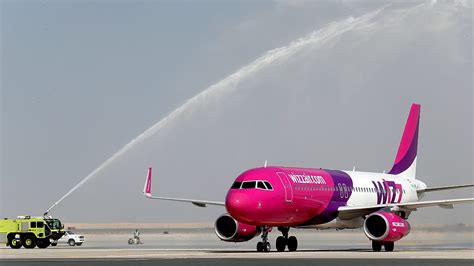
Wizz Air Suspends UAE Operations Amid “Rapidly Evolving Situation”
On Tuesday, June 25, 2025, Wizz Air announced the immediate suspension of all flights to and from the UAE until at least June 30. The Budapest-based budget carrier cited “rapidly evolving circumstances” and regional airspace disruptions as core reasons for the decision. The airline emphasized that the safety of passengers and crew remains paramount and has begun rerouting and diverting flights to nearby international airports to ensure safe disembarkation.
Passengers affected by the cancellation were notified via direct communication channels and urged to check the latest travel advisories. Wizz Air committed to offering full refunds or free rebooking options to those impacted.
Singapore Airlines Temporarily Halts Dubai Flights
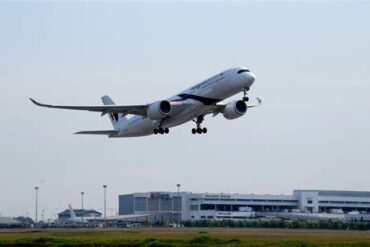
Singapore Airlines, a major player in Asia-Middle East aviation corridors, also halted its daily flights between Singapore and Dubai. The suspension, initially announced on Tuesday, June 25, was extended through Wednesday, June 27, 2025. Passengers were offered options for alternate routing or full ticket refunds, with the airline reaffirming its commitment to passenger welfare and operational caution.
Singapore Airlines has a notable presence in the Gulf region and its suspension highlights the seriousness of the current security climate. While no further suspensions have been declared beyond June 27, the airline has kept communication channels open for dynamic updates.
Air Canada Extends Dubai Flight Suspension to August
Among the earliest to suspend routes, Air Canada had already halted its Toronto-Dubai nonstop service as early as June 18, 2025. With the situation deteriorating, the airline extended the suspension through August 4, 2025. The prolonged halt underscores the deepening concern over Middle Eastern airspace security.
In its official statement, Air Canada confirmed ongoing consultations with Canadian and international aviation authorities, warning that the suspension may be extended further if regional instability continues. All affected passengers have been granted flexible rebooking windows and refunds, with the airline prioritizing direct outreach and alternative routing options.
United Airlines and KLM Join Growing List of Suspended Services
Following suit, United Airlines paused its Newark to Dubai route, placing the resumption date tentatively on July 3, 2025. The airline expressed that the safety of passengers, crew, and ground operations in the UAE had become a significant risk amid the current security threat. It encouraged passengers to remain updated through their booking portals and customer service.
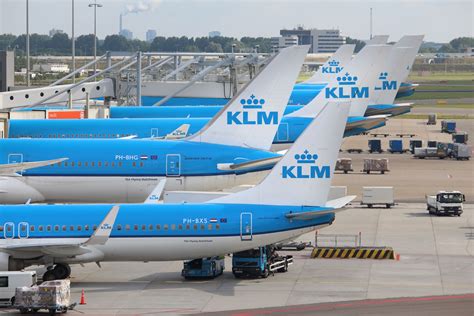
Simultaneously, Dutch national carrier KLM announced disruptions for its Amsterdam-Dubai routes, covering flights between June 19 and June 29. Affected travelers were informed of options to either rebook at no cost or claim refunds for unused portions of their tickets. While KLM has not yet indicated any permanent withdrawal, its cautious approach mirrors the sentiments of other international carriers.
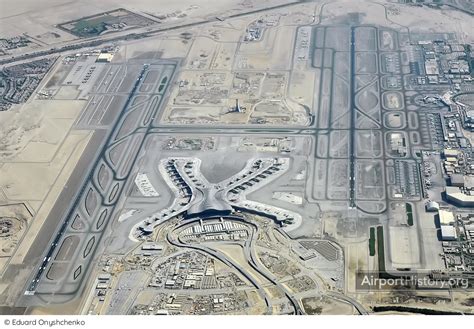
Operational Impact at Dubai and Abu Dhabi Airports
Despite the abrupt nature of the cancellations, Dubai Airports and Zayed International Airport in Abu Dhabi confirmed the resumption of standard operations late on Monday, June 25. However, both hubs have warned travelers of possible delays and encouraged passengers to check flight statuses regularly. Airport authorities noted that coordination with regional ATC (air traffic control) and international partners remains fluid, with changes possible on short notice.
The cancellation wave has notably impacted transit passengers en route to South Asia, particularly India, due to the UAE’s role as a major layover hub. Many stranded passengers have been rerouted through alternative airports in Qatar, Bahrain, and Oman, further straining Gulf aviation logistics.
Emirates and Etihad Continue Limited Operations
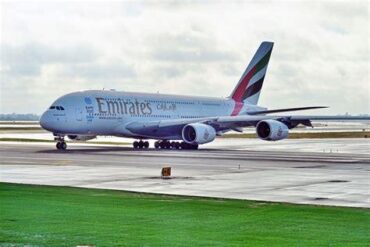
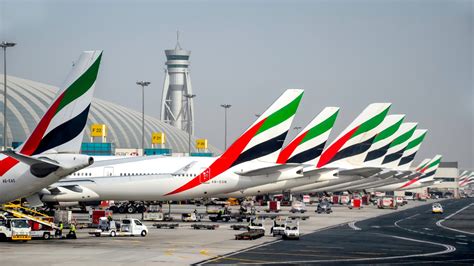
While numerous foreign carriers have suspended services, UAE’s flagship airlines Emirates and Etihad Airways have so far maintained partial flight operations. Both airlines have rerouted several long-haul flights to avoid restricted airspace, and continue to operate under advisories issued by the UAE Civil Aviation Authority.
Passengers flying with Emirates or Etihad have been advised to stay updated on potential last-minute delays or flight changes, particularly for routes involving Middle Eastern air corridors, where restrictions remain active and dynamic.
U.S. State Department Issues Regional Travel Alert
On the diplomatic front, the U.S. State Department released a global security alert, urging American citizens to exercise heightened caution when traveling abroad. The advisory pointed to the possibility of demonstrations, increased anti-American sentiment, and unforeseen regional escalations.
American travelers in or near the UAE were strongly encouraged to register with STEP (Smart Traveler Enrollment Program) and remain vigilant. This alert has further influenced U.S.-based carriers’ risk calculations, reinforcing the wave of suspensions from North American airlines.
Broader Implications for Aviation in the Gulf Region
The flight suspensions have exposed the vulnerability of Gulf air routes to geopolitical tensions. With major players like Wizz Air, Singapore Airlines, Air Canada, KLM, and United pulling back, the impact has rippled across global flight schedules, cargo logistics, and business travel corridors.
The temporary closure of regional airspace has also raised questions about the resilience of the Gulf as a global aviation hub, particularly as tensions from Iran, Yemen, and other hotspots converge. International observers now stress the need for greater contingency planning, including alternative routing, regional cooperation, and real-time threat intelligence sharing.
Looking Ahead: Travel Precautions and Airline Strategies
As the Middle East remains in flux, airlines continue to prioritize safety and risk mitigation over maintaining flight frequencies. Travelers are being urged to:
- Monitor airline notifications and government advisories regularly
- Refrain from booking last-minute travel to the UAE without confirmed updates
- Utilize refund and rebooking policies proactively
- Stay informed through consular updates, especially for U.S. and Canadian citizens
Meanwhile, airlines are expected to reassess flight schedules weekly, with contingency strategies that include longer flight paths, strategic layovers, and even temporary route withdrawals depending on how the security landscape unfolds.
Conclusion: Navigating Uncertainty in UAE Travel
The suspension of flights to Dubai and Abu Dhabi by a growing roster of international airlines underscores the volatile intersection of aviation and geopolitics in the Gulf region. While Emirates and Etihad continue to hold the line, the broader trend reveals a collective industry retreat as safety concerns take center stage.
As stakeholders from airlines to airport authorities and government agencies remain on high alert, passengers are urged to plan conservatively, prioritize safety, and stay updated with real-time developments. With tensions showing no immediate signs of resolution, travel to the UAE may remain unpredictable in the coming weeks.
Ultimately, this disruption serves as a stark reminder of the fragility of global air travel, especially when intertwined with rapidly escalating regional conflicts. For now, the skies above the UAE remain closely monitored, as airlines and travelers alike brace for what comes next.