Delta Air Lines has reached a milestone that no major U.S. airline has ever achieved: its premium cabin revenue has overtaken main cabin revenue. The shift marks a major transformation in airline economics, showing how carriers are increasingly relying on higher-margin products, loyalty programs, and passenger upgrades rather than traditional economy seating growth.
According to Delta’s fourth-quarter 2025 earnings results, the airline generated approximately $5.7 billion in premium cabin revenue, narrowly surpassing its $5.62 billion main cabin revenue. While the difference appears small, the financial impact is significant because premium products generate stronger margins than standard economy seats.
For decades, the airline industry was built around filling as many economy seats as possible. The traditional model depended on volume, with premium cabins serving mostly corporate travelers willing to pay significantly higher fares. Delta’s latest results demonstrate that this model is changing. Today, premium revenue is increasingly being driven by leisure travelers, loyalty members, and economy passengers using accumulated rewards to access better experiences.
Delta Air Lines Creates a New Revenue Benchmark
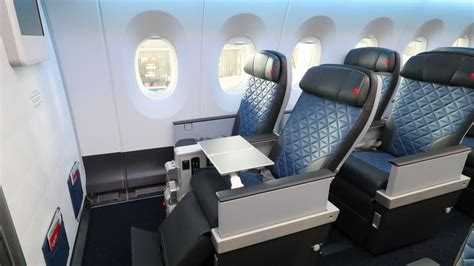
Delta’s premium revenue achievement stands apart from the performance of its competitors because the airline has successfully expanded the definition of premium travel. The category does not only include traditional business-class and first-class products such as Delta One and first class. It also includes Premium Select and Comfort+, products that attract a much broader group of travelers.
The airline’s strategy has been deliberate. Delta CEO Ed Bastian has indicated that nearly all seat growth planned for the 2026 financial year will focus on premium cabins, while growth in the traditional main cabin will remain extremely limited. This approach reflects Delta’s belief that future profitability will come from improving revenue per passenger rather than simply adding more economy capacity.
The company’s financial performance supports this decision. In its Q4 2025 report, Delta exceeded expectations with adjusted earnings per share of $1.55, compared with analysts’ expectations of $1.53. Adjusted revenue reached approximately $14.61 billion, slightly below forecasts but still demonstrating strong demand.
However, Delta has also remained cautious about the economic environment. The airline has faced uncertainty from factors including government disruptions, changing travel demand, and higher operating costs. Despite these challenges, the premium segment has continued to show strong momentum.
By the second quarter of 2026, Delta’s premium revenue growth had accelerated further. Premium cabin revenue reached approximately $6.92 billion, while main cabin revenue stood at $6.85 billion. The continued expansion shows that Delta’s premium strategy is not a one-quarter anomaly but part of a broader transformation.
Economy Passengers Are Quietly Driving Delta’s Premium Growth
One of the most interesting parts of Delta’s premium success is that it is not being powered only by wealthy travelers or corporate executives. A significant portion of growth comes from ordinary passengers using SkyMiles to upgrade their flights.
Delta’s loyalty program has become a powerful financial engine. SkyMiles-related revenue represents a substantial part of Delta’s overall business, supported heavily by its partnership with American Express. Through this agreement, Delta receives billions of dollars from Amex for purchasing SkyMiles that are later distributed to credit card customers through rewards programs.
Many cardholders accumulate miles without using them regularly. When presented with upgrade opportunities, especially for products like Comfort+, passengers often view the redemption as a way to enjoy a better experience without paying the full cash price.
This creates a unique situation for Delta. Passengers who originally purchased economy tickets are effectively contributing to premium cabin revenue when they use their rewards for upgrades. The airline benefits from increased premium demand, while travelers feel they are receiving additional value from points they have already earned.
The result is a premium business model partially funded by the loyalty behavior of mainstream travelers.
Comfort+ Becomes the Bridge Between Economy and Premium Travel
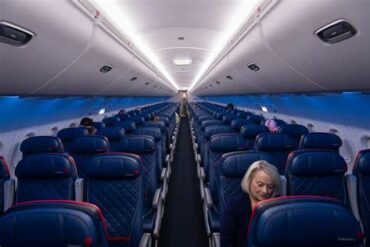
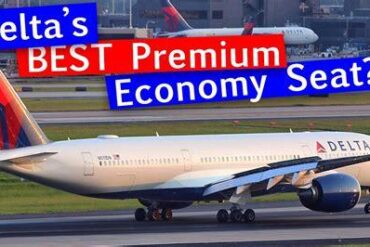
The success of Delta’s premium strategy is closely connected to Delta Comfort+, a product positioned between standard economy and traditional premium economy.
Unlike business-class cabins designed for high-paying travelers, Comfort+ targets passengers who want a better journey without paying several times the cost of an economy ticket. It provides additional space, improved boarding benefits, and enhanced service features while maintaining a price point accessible to many leisure travelers.
Depending on the aircraft type, Comfort+ seats generally offer around 34 inches of seat pitch, providing approximately three to four additional inches of legroom compared with standard economy seats. Seat width remains similar to economy cabins, but the extra space and service improvements create a noticeable difference during longer flights.
Passengers also receive several practical advantages, including:
- Earlier boarding access
- Dedicated overhead bin space
- Priority seating benefits
- Extra recline compared with standard economy
- Complimentary beverages on many flights
- Enhanced amenities on select long-haul routes
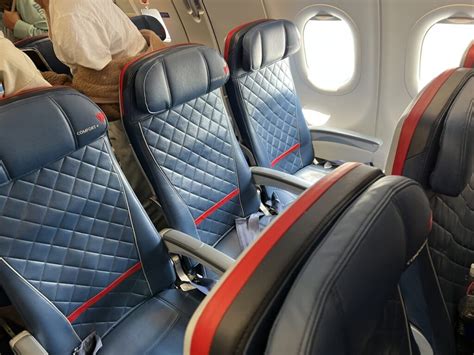
For longer journeys, Comfort+ passengers may receive additional comfort items such as pillows, blankets, and amenity kits. They also gain access to Delta Studio, the airline’s entertainment platform offering hundreds of hours of movies, television programs, music, and other digital content.
These features demonstrate why the product has become so successful. Many travelers are not looking for a full business-class experience. They simply want a more comfortable version of economy, especially on flights lasting several hours.
Premium Cabins Are Becoming More Profitable Across Aviation
Delta’s achievement reflects a larger industry trend identified by analysts at McKinsey. Research into airline profitability has shown that premium cabins often deliver better margins than economy seats because passengers are willing to pay significantly more for additional comfort and flexibility.
The shift is particularly visible on long-haul international routes. Premium leisure travel has grown rapidly as more passengers use vacations, personal savings, and loyalty rewards to purchase upgraded experiences.
Historically, airlines depended heavily on corporate travelers to fill premium cabins. Business travelers often paid high last-minute fares, creating strong revenue opportunities. However, the post-pandemic travel market has changed. Leisure passengers now represent a much larger share of premium demand.
This has encouraged airlines to redesign cabins, introduce more premium seating, and create more upgrade opportunities. The goal is no longer simply selling first-class seats to executives. Instead, airlines are convincing a wider range of passengers that a premium experience is worth paying for.
Delta’s success shows how effective this strategy can become when combined with a strong loyalty ecosystem.
Delta’s Future Growth Depends on Smarter Premium Pricing
The next stage of premium airline competition may involve more advanced pricing technology. Industry analysts believe airlines will increasingly use artificial intelligence and automated pricing systems to determine exactly how much passengers are willing to pay for upgrades.
Instead of offering fixed upgrade prices, airlines could adjust availability and pricing based on demand, travel dates, passenger behavior, and market conditions. High-demand events such as major sporting championships or holiday periods could create opportunities for airlines to maximize premium revenue.
However, this strategy requires balance. If airlines push prices too aggressively, customers may feel that loyalty programs no longer provide meaningful value.
Analysts suggest that airlines should prioritize selling premium seats directly first, followed by paid upgrades, loyalty redemptions, and limited complimentary upgrades. This approach could increase profitability while maintaining customer trust.
For Delta, the challenge will be maintaining the loyalty that helped create this success. SkyMiles members have played a major role in transforming premium cabins into a financial powerhouse, but they will continue expecting attractive redemption opportunities.
A New Era of Airline Economics Has Arrived
Delta Air Lines’ premium revenue milestone represents more than a financial achievement. It signals a fundamental change in how airlines view passengers and profitability.
The traditional airline model focused on economy seating volume. Delta’s latest results show that the future may belong to airlines that can successfully convince travelers to spend more on comfort, flexibility, and upgraded experiences.
The surprising part is that this transformation is not happening only because of wealthy travelers. Everyday passengers using credit card rewards, loyalty points, and occasional upgrades are helping create the premium revenue boom.
Delta has effectively turned millions of economy passengers into participants in its premium strategy. As airlines continue competing for higher-value customers, the boundary between economy and premium travel will likely continue to change.
The industry’s next major battle may not be about who can offer the cheapest ticket. It may be about who can persuade passengers that paying a little more for a better journey is worth it. Delta’s record-breaking results suggest that this shift has already begun.