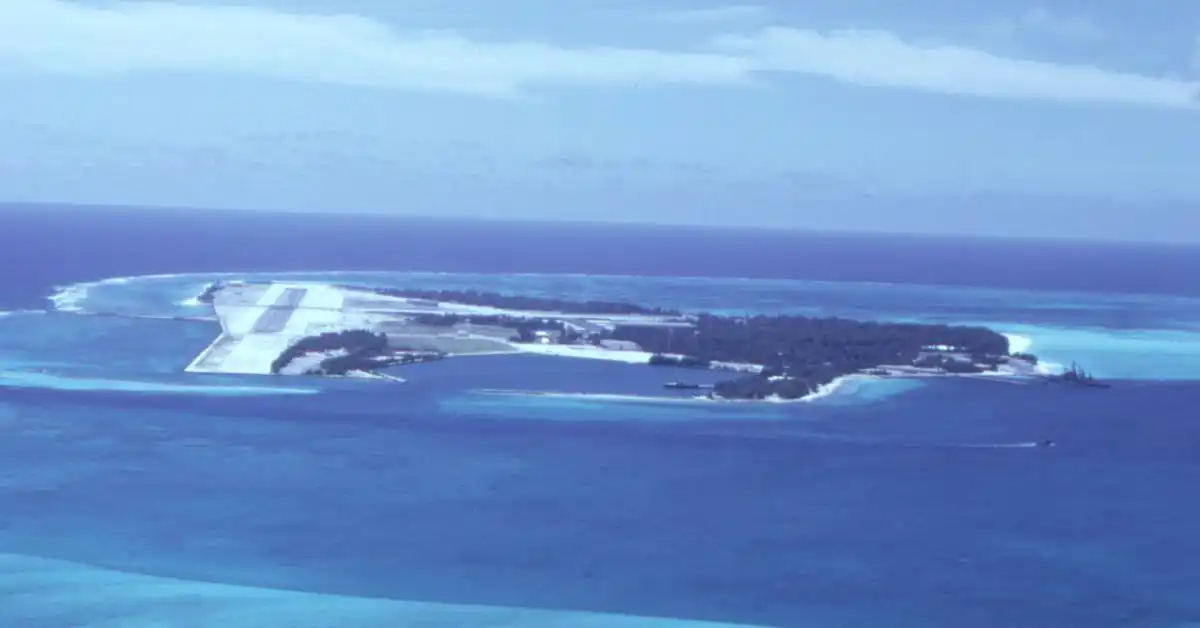
Henderson Field on Midway Atoll may be one of the smallest and least visible airports in the US aviation system, yet its importance extends far beyond its isolated location in the Pacific Ocean. The airport, identified by the code MDY, does not currently handle scheduled commercial passenger services, but it remains a critical ETOPS alternate airport for airlines operating long flights across the Pacific. Now, airlines are urging the Federal Aviation Administration (FAA) to fund a major upgrade that could cost more than $100 million, warning that losing the airport could disrupt some of the world’s longest and most demanding routes.
Midway Atoll sits thousands of miles from major population centers, leaving Henderson Field surrounded by enormous stretches of open ocean. That isolation is precisely what gives the airport its unusual value. A transpacific aircraft may spend many hours beyond easy reach of conventional diversion airports, meaning carriers must plan routes around carefully selected alternates. In an emergency involving an engine problem, medical event, fire, depressurization, or another serious malfunction, having a usable runway within the required diversion range can be crucial.
The situation has become increasingly urgent because Henderson Field’s infrastructure has deteriorated. The airport last handled regularly scheduled commercial flights in 2002, and its small resident population now depends largely on charter services. The runway remains capable of supporting widebody aircraft, but the infrastructure supporting that capability needs substantial investment. The US Department of Transportation has identified milling, repaving, and seawall repairs among the necessary work, while warning that the runway could reach a severe level of deterioration within the next five years.
Why Henderson Field Matters to Pacific Airline Routes
For airlines crossing the Pacific, route planning is not simply about finding the shortest line between two cities. Aircraft performance, weather, fuel reserves, airspace, airport capabilities, and ETOPS requirements all influence the route that can be operated safely and economically. Henderson Field provides an important safety option in a region where suitable airports are exceptionally scarce.
Japanese carrier ZIPAIR, which operates services from Japan to destinations including Los Angeles, San Francisco, and San Jose, has told the FAA that Midway is necessary for some flights, particularly departures from those US West Coast airports during the summer season. The carrier described MDY as critically important to its operations throughout the year, highlighting how an airport without scheduled passenger flights can nevertheless become an important component of a modern airline network.
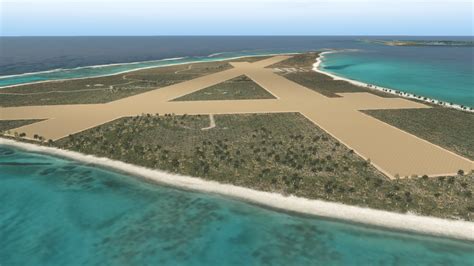
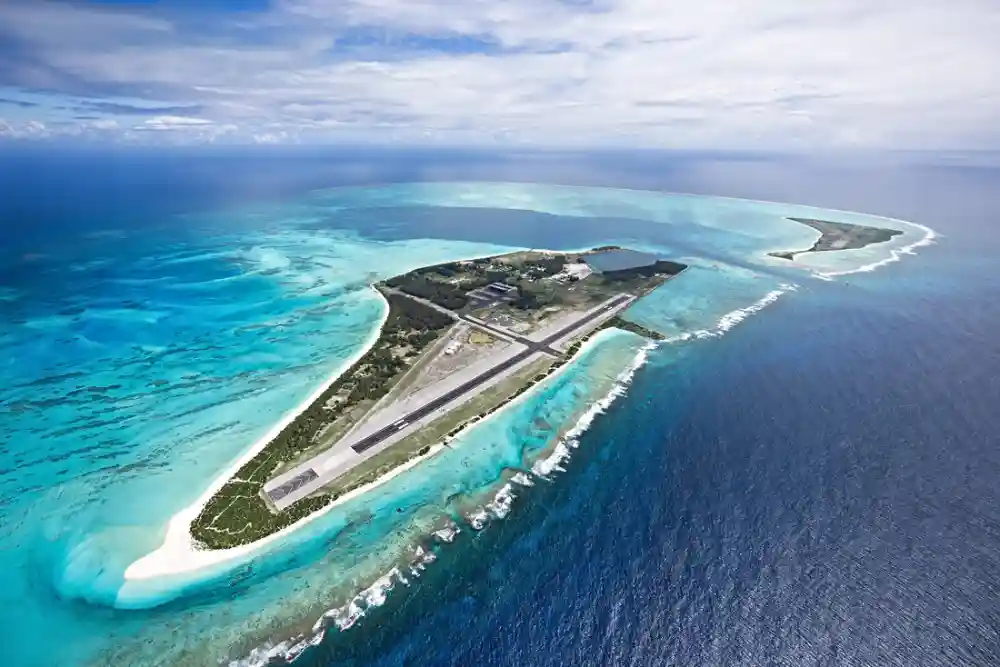
Midway is also relevant to flights between Hawaii and Asia. Its 7,800-foot (2,377-meter) runway 06/24 is not exceptionally long by major international airport standards, but it is sufficient for widebody aircraft under appropriate operating conditions. More importantly, its geographic position provides something that larger airports cannot easily replicate: a diversion point in a vast area where alternatives are few.
A $100 Million Airport Upgrade With Global Consequences
The FAA’s proposed investment therefore concerns much more than resurfacing an isolated runway. The planned work is intended to preserve the airport’s ability to serve aircraft that may never have Midway as their destination. Keeping the facility operational as an ETOPS alternate allows airlines to design routes that balance safety requirements with practical fuel and flight-time considerations.
If Henderson Field eventually loses its certification because the necessary infrastructure work is not completed, carriers could face significant changes. Flights may need to follow longer or less direct routings to remain within reach of another suitable diversion airport. That could increase fuel consumption, crew costs, flight times, and operational complexity.
Those consequences would extend beyond individual airlines. Longer routings can affect aircraft utilization and scheduling, while additional fuel requirements can influence payload and economics. Airlines could ultimately pass some of those additional costs to passengers through higher fares, although the precise financial effect would vary by route, aircraft, season, and operating requirements.
The issue is particularly relevant as airlines prepare for new generations of ultra-long-haul services. Qantas Project Sunrise, for example, is designed to connect Australia with distant destinations such as New York and London using aircraft capable of flying exceptionally long sectors. Maintaining suitable diversion options across remote parts of the world is therefore an important part of making such operations practical.
Midway Has Already Received Emergency Widebody Flights
The importance of Henderson Field is not merely theoretical. Although the airport has not hosted scheduled commercial passenger flights for more than two decades, commercial aircraft have continued to visit on exceptional occasions.
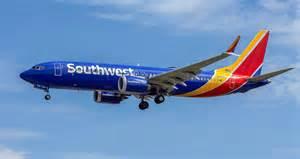
In 2008, a Continental Airlines Boeing 737 landed at Midway as part of commemorations marking the 66th anniversary of the Battle of Midway. More importantly from an operational perspective, the airport has periodically received aircraft making genuine emergency diversions.
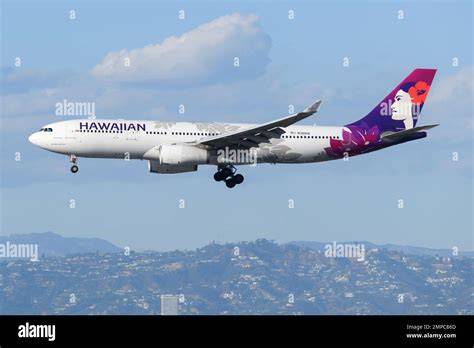
In September 2021, a Hawaiian Airlines Airbus A330 landed at Henderson Field after experiencing an oil-pressure issue while flying from Seoul to Honolulu. That incident demonstrated the practical value of maintaining a suitable airport in the middle of the Pacific. Earlier cases included a Delta Air Lines Boeing 747-400 in 2011 and a United Airlines Boeing 777 in 2014, with both aircraft carrying more than 300 passengers.
These events are uncommon, but that is not evidence that the airport is unnecessary. Emergency airports exist precisely because serious diversions are infrequent. Their value is measured by the consequences they can mitigate when an aircraft does encounter a problem far from conventional infrastructure.
Why Airlines Want the FAA to Keep MDY Open
The debate over Henderson Field illustrates an unusual reality of modern aviation: a tiny airport with almost no scheduled passenger traffic can still support thousands of commercial flights indirectly. Its strategic value comes from location rather than passenger volume.
Airlines therefore have a direct operational interest in preserving MDY. ZIPAIR has publicly emphasized its importance, while other carriers operating Pacific routes also depend on Midway as an alternate. Japan Airlines services to Hawaii have likewise used Midway within their diversion planning, demonstrating the airport’s broader role in Pacific operations.
The challenge now is balancing the substantial cost of rehabilitation against the consequences of losing the facility. A $100 million-plus investment is considerable for an airport serving a very small local population and no scheduled passenger network. Yet its value cannot be measured through annual passenger numbers alone.
For aircraft flying thousands of miles over open water, Henderson Field represents something much more fundamental: a reachable runway when very few others exist. As transpacific networks expand and ultra-long-haul flying becomes increasingly common, the condition of this remote runway could have consequences far beyond Midway Atoll itself.