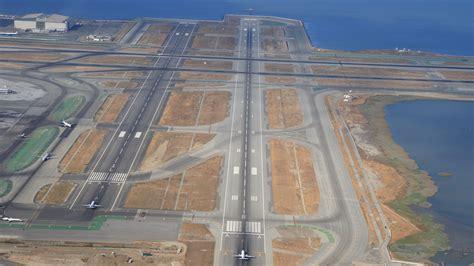
San Francisco International Airport (SFO) is preparing for another major operational shift as the Federal Aviation Administration (FAA) moves closer to introducing a new flight procedure for Runway 28R following its decision to end the airport’s long-standing parallel landing operations. The change comes amid a broader national aviation safety initiative and could mark the beginning of a new era in how aircraft are managed in one of the United States’ busiest and most challenging airspaces.
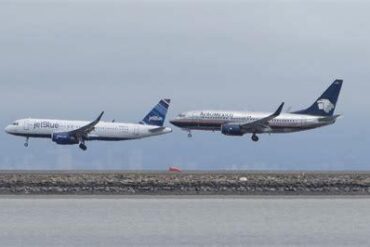
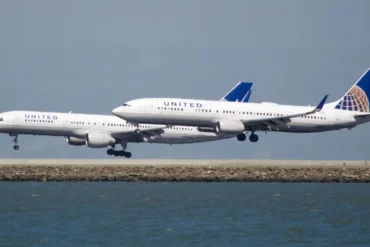
The FAA’s decision to halt parallel landings at SFO in March represented one of the most significant procedural changes in the airport’s modern history. For decades, the airport was known for its unique ability to conduct simultaneous approaches on Runways 28L and 28R, allowing aircraft to descend side by side over San Francisco Bay. The procedure helped maximize capacity and maintain efficient traffic flow, particularly during peak travel periods.
The agency’s action followed increased scrutiny of air traffic separation standards after a fatal midair collision involving an American Airlines regional aircraft and a military helicopter near Washington, D.C. In response, regulators launched a comprehensive review of operational practices across the national airspace system, placing renewed emphasis on preventing loss-of-separation incidents.
SFO quickly became a focal point because its parallel runways are separated by only 750 feet, far below the distance typically required for independent parallel approaches under current FAA regulations. Historically, the airport operated under a special waiver that permitted visually dependent simultaneous approaches during favorable weather conditions. Under that system, pilots maintained visual contact with neighboring aircraft while air traffic controllers coordinated arrivals.
The FAA’s revised approach places greater responsibility on air traffic control to guarantee separation between aircraft. As a result, the waiver that once enabled SFO’s signature side-by-side arrivals is no longer considered acceptable under the agency’s updated safety framework.
During clear-weather operations, the former procedure allowed aircraft to land at exceptionally high rates, helping airlines maintain schedules and reducing delays. However, current standards generally require approximately 2,500 feet of runway separation for independent parallel approaches supported by radar monitoring. Because SFO’s runway configuration falls well below that threshold, aircraft must now follow staggered arrival paths that create additional spacing between flights.
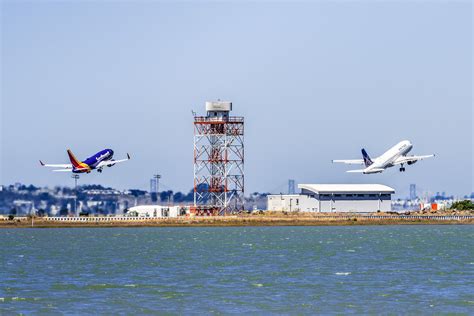
The operational consequences have been immediate. Since the end of parallel landings, airport arrival capacity has dropped substantially. Industry data indicates that between 25% and 30% of inbound flights have experienced delays of 30 minutes or longer. Airlines serving the airport have been forced to adapt scheduling practices, while some flights are being held at departure airports to prevent excessive airborne congestion near San Francisco.
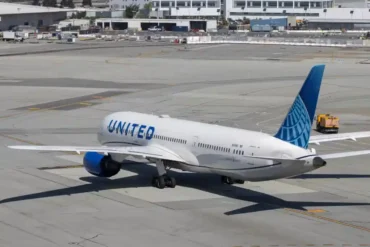
Among the carriers most affected is United Airlines, which operates the largest hub at SFO. The airline relies heavily on tightly coordinated arrival banks that connect domestic, regional, and international services. Reduced runway throughput has complicated those operations and increased pressure on network planning teams seeking to minimize disruptions.
Despite the capacity challenges, FAA officials point to a significant safety benefit. According to statements shared from internal agency communications, the corrective measures have successfully eliminated loss-of-separation events since implementation. FAA Administrator Bryan Bedford indicated that regulators have worked closely with airport authorities and airline operators while developing the next phase of operational improvements.
FAA Evaluating Advanced PRM and CSPA Technology
The most likely solution under consideration involves the introduction of Precision Runway Monitor (PRM) approaches combined with Closely Spaced Parallel Approach (CSPA) procedures. These technologies are specifically designed for airports where runway spacing limits the effectiveness of conventional parallel arrival operations.
PRM systems utilize specialized high-speed radar capable of updating aircraft positions every second. This rapid surveillance provides controllers with exceptionally accurate real-time tracking information during critical approach phases. The enhanced situational awareness enables faster identification of potential conflicts and allows corrective instructions to be issued before separation margins are compromised.
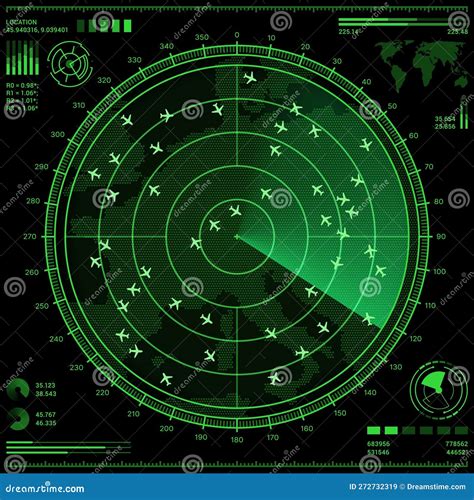
CSPA procedures complement PRM capabilities by incorporating Automatic Dependent Surveillance-Broadcast (ADS-B) technology. Aircraft continuously transmit precise position, speed, and altitude information, allowing controllers and onboard systems to maintain awareness of surrounding traffic. Together, the two systems create a layered safety architecture that improves both lateral and longitudinal separation management.
In practical terms, PRM focuses on ensuring aircraft remain properly separated from side to side, while CSPA helps maintain safe spacing between aircraft following one another on approach. The combination has already proven effective at several high-density airports where runway configurations present similar operational challenges.
Construction Projects Add Pressure on Airport Operations
Compounding the situation is an ongoing $180 million construction program that has temporarily reduced airport capacity even further. Work affecting Runways 1R and 19L has required closures that limit operational flexibility and place additional demand on the remaining runway system.
Airport officials expect the construction project to continue through October. Until those runways return to service, SFO must balance safety requirements with the realities of managing thousands of passengers and hundreds of daily aircraft movements.
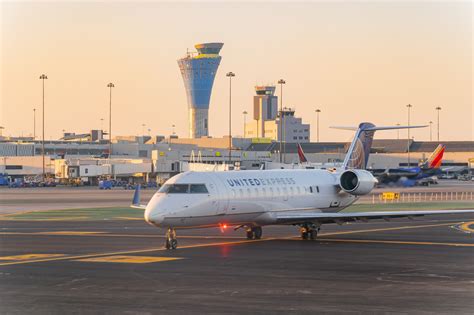
Current arrival rates have fallen to roughly 36 landings per hour, compared with approximately 54 per hour when the parallel landing waiver remained in effect. That represents a reduction of nearly one-third in peak arrival capacity.
The FAA’s planned Runway 28R procedure could provide meaningful relief by allowing more efficient aircraft sequencing without compromising safety objectives. While it is unlikely to fully restore the capacity once achieved through simultaneous visual approaches, the introduction of PRM and CSPA technologies could significantly reduce delays and improve operational reliability.
For travelers, airlines, and airport operators, the upcoming procedure represents a critical test of whether advanced surveillance technology can help restore efficiency at one of America’s most important aviation gateways while maintaining the FAA’s heightened focus on safety.