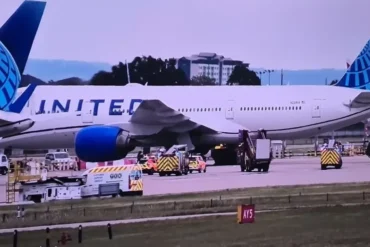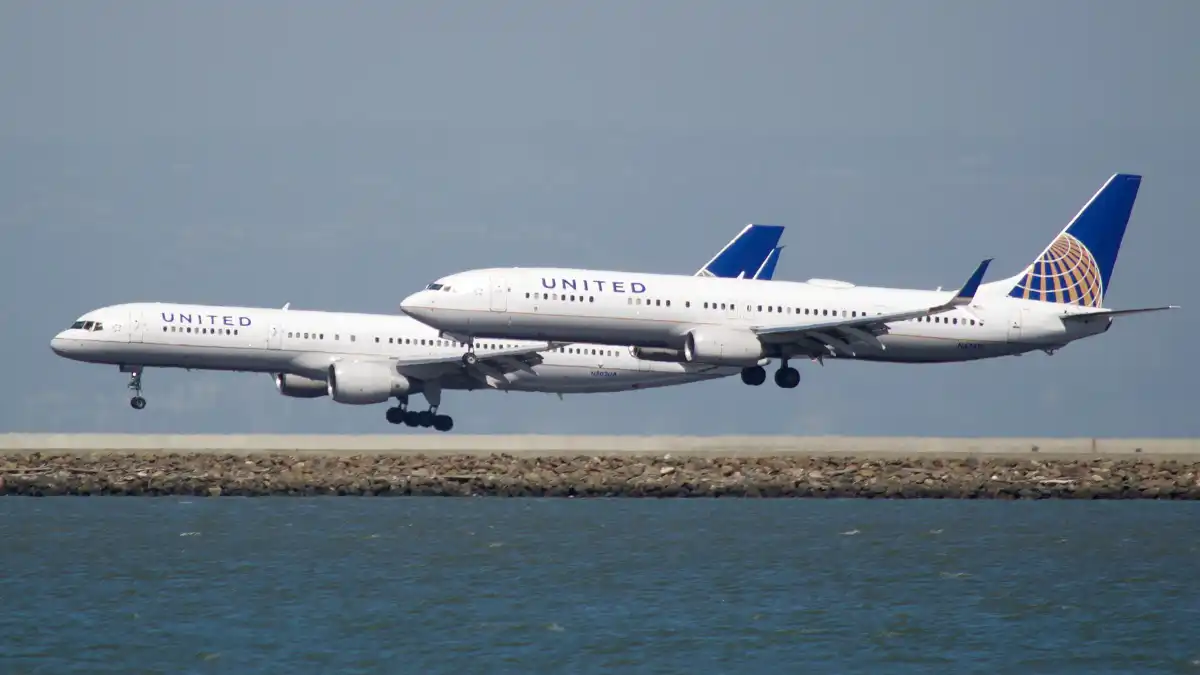
Since the Federal Aviation Administration (FAA) halted parallel landing operations at San Francisco International Airport (SFO), travelers have experienced a dramatic deterioration in on-time performance. What was once a relatively manageable delay environment has transformed into one of the most challenging operational periods in the airport’s recent history. Average delays have surged from roughly five minutes to nearly twenty minutes, creating a ripple effect across domestic and international networks and raising fresh concerns about the long-term capacity limitations of one of America’s busiest gateways.
The new restrictions, implemented on April 1, were introduced as part of a nationwide effort to strengthen aviation safety standards. However, at SFO, the policy change has exposed a long-standing infrastructure vulnerability: the airport’s uniquely constrained runway layout.
Peak travel periods have been especially hard hit. Flights arriving during the busiest afternoon and evening windows are now experiencing delays at unprecedented rates, with more than half of scheduled arrivals during some periods arriving behind schedule. For airlines, passengers, and airport authorities alike, the consequences have been immediate and significant.
FAA Ban on Parallel Landings Sends SFO Delays Soaring
The FAA’s decision effectively ended a decades-old operational practice that had allowed SFO to maximize throughput on its closely spaced parallel runways. Since implementation, delay rates have increased across virtually every hour of airport operations.
Data collected during the first several weeks following the rule change revealed a stark trend: flights operating between April and mid-May were approximately 1.8 times more likely to be delayed than during the same period one year earlier. The increase has been visible throughout the entire daily schedule, although midday and evening arrival banks have suffered the greatest disruptions.
Early morning flights remain the least affected. Arrivals scheduled around 5:00 a.m. continue to record comparatively low delay rates, while flights later in the day encounter progressively worsening congestion as aircraft queues build across the network.
The operational strain has been intensified by an additional challenge. One of SFO’s runways is currently undergoing a major modernization and resurfacing project, further reducing available capacity at a time when flexibility is already severely constrained.
Why the FAA Ended Parallel Approaches at San Francisco
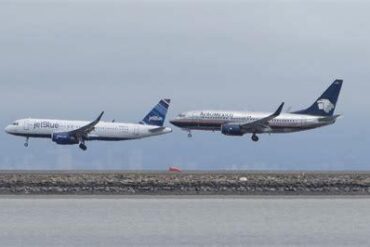
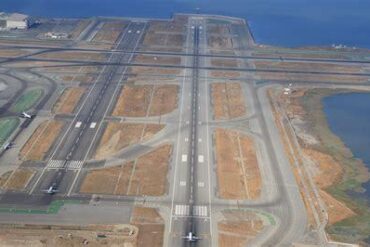
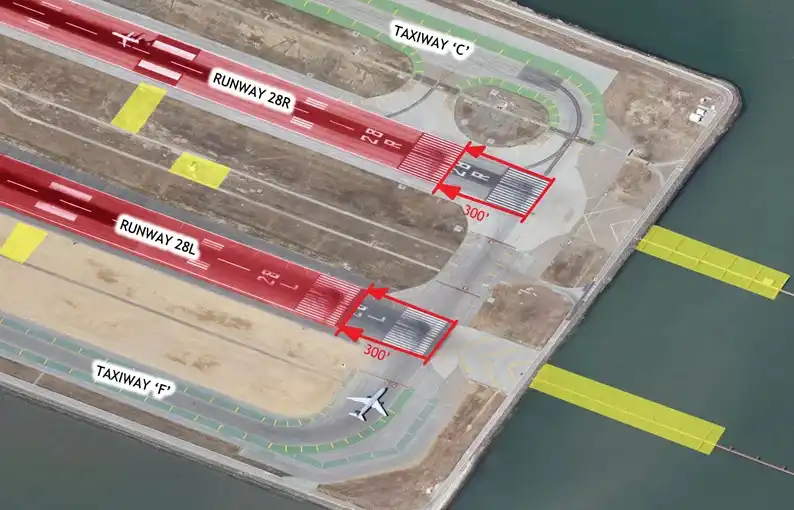
Unlike most major U.S. hubs, SFO’s primary east-west runways, designated 28L and 28R, are separated by only 750 feet. This unusually narrow spacing makes simultaneous independent instrument approaches impossible under standard FAA regulations.
Historically, pilots operating into SFO were permitted to conduct closely spaced parallel approaches under a special waiver. The procedure relied heavily on pilots maintaining visual separation during final approach, allowing aircraft to land simultaneously and dramatically increasing airport capacity.
That exemption disappeared following heightened nationwide scrutiny of air traffic safety after the fatal collision involving American Airlines Flight 5342 and a military helicopter near Washington Reagan National Airport earlier in 2025.
Under revised safety requirements, airports must now maintain continuous positive air traffic control separation supported by radar surveillance throughout the approach sequence. While the changes significantly enhance safety margins, they also reduce arrival rates at airports that depended on specialized visual procedures.
For SFO, the result has been a substantial reduction in hourly landing capacity.
Domestic Flights Bearing the Brunt of the Disruptions
The impact of the new operating environment has not been evenly distributed across the airport’s flight schedule.
Domestic operations have experienced the sharpest deterioration because they account for the majority of SFO’s daily traffic. Arrival and departure delays for domestic services have climbed by approximately 43%, while international operations have recorded increases closer to 35%.
Departures have emerged as the most severely affected category. Delayed takeoffs have nearly tripled compared with the previous year, rising from around 16% of departures to roughly 45%.
The increase represents thousands of additional delayed departures over just a few months.
Arrivals have also deteriorated considerably. Flights arriving at least fifteen minutes late now account for approximately 37% of inbound operations, a substantial increase from roughly 20% during the same period last year.
Because SFO serves as a major hub for transcontinental and international connections, disruptions frequently extend far beyond Northern California. Delays originating in San Francisco often cascade throughout airline networks, affecting passengers across the United States and overseas.
Bay Area Weather Makes the Situation Even Worse
Weather has always been one of SFO’s greatest operational challenges.
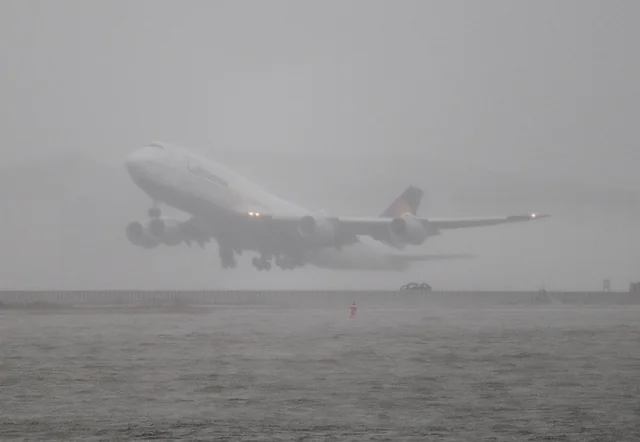
Persistent coastal fog, strong crosswinds, and rapidly changing marine conditions regularly reduce visibility around the airport. Historically, parallel landing procedures provided critical flexibility, enabling controllers to rapidly process large volumes of aircraft whenever weather conditions briefly improved.
The ability to capitalize on these narrow weather windows played a central role in maintaining efficient operations.
Without parallel approaches, recovery from weather disruptions has become significantly slower. Aircraft often enter lengthy holding patterns, while departure queues grow as arriving traffic consumes available runway capacity.
The Bay Area’s unique meteorological environment means that even relatively minor weather events can now trigger disproportionately large operational disruptions.
Why Expanding SFO Is Far More Complicated Than It Sounds
Long-term solutions remain elusive because SFO faces extraordinary geographic constraints.
Unlike inland airports with room for additional runways, SFO occupies land extending into San Francisco Bay. Constructing a new runway with sufficient separation would likely require extensive land reclamation projects similar to those used to create Kansai International Airport in Japan.
Such an undertaking would involve billions of dollars in costs, extensive environmental reviews, and years—if not decades—of construction.
Expansion toward the airport’s landward side presents equally daunting challenges. Highway 101, one of the Bay Area’s most critical transportation corridors, borders the airport. Relocating or diverting this major artery to create runway space would require an enormous infrastructure overhaul carrying both significant financial and societal costs.
As a result, meaningful physical expansion remains uncertain.
Future FAA Procedures Could Ease Congestion
Airport officials and federal regulators are currently focused on completing the ongoing runway modernization project, valued at approximately $180 million. Restoring full runway availability should provide some operational relief.
However, reopening the runway alone will not fully resolve the capacity challenges created by the parallel landing ban.
FAA leadership is expected to introduce new arrival procedures designed specifically for SFO in an effort to improve efficiency while maintaining enhanced safety standards. Until those procedures are implemented and validated, passengers should anticipate continued delays, particularly during afternoon and evening travel periods.
For now, travelers flying through San Francisco International Airport must prepare for longer connection times, extended ground delays, and a new operational reality at one of America’s most strategically important aviation hubs.