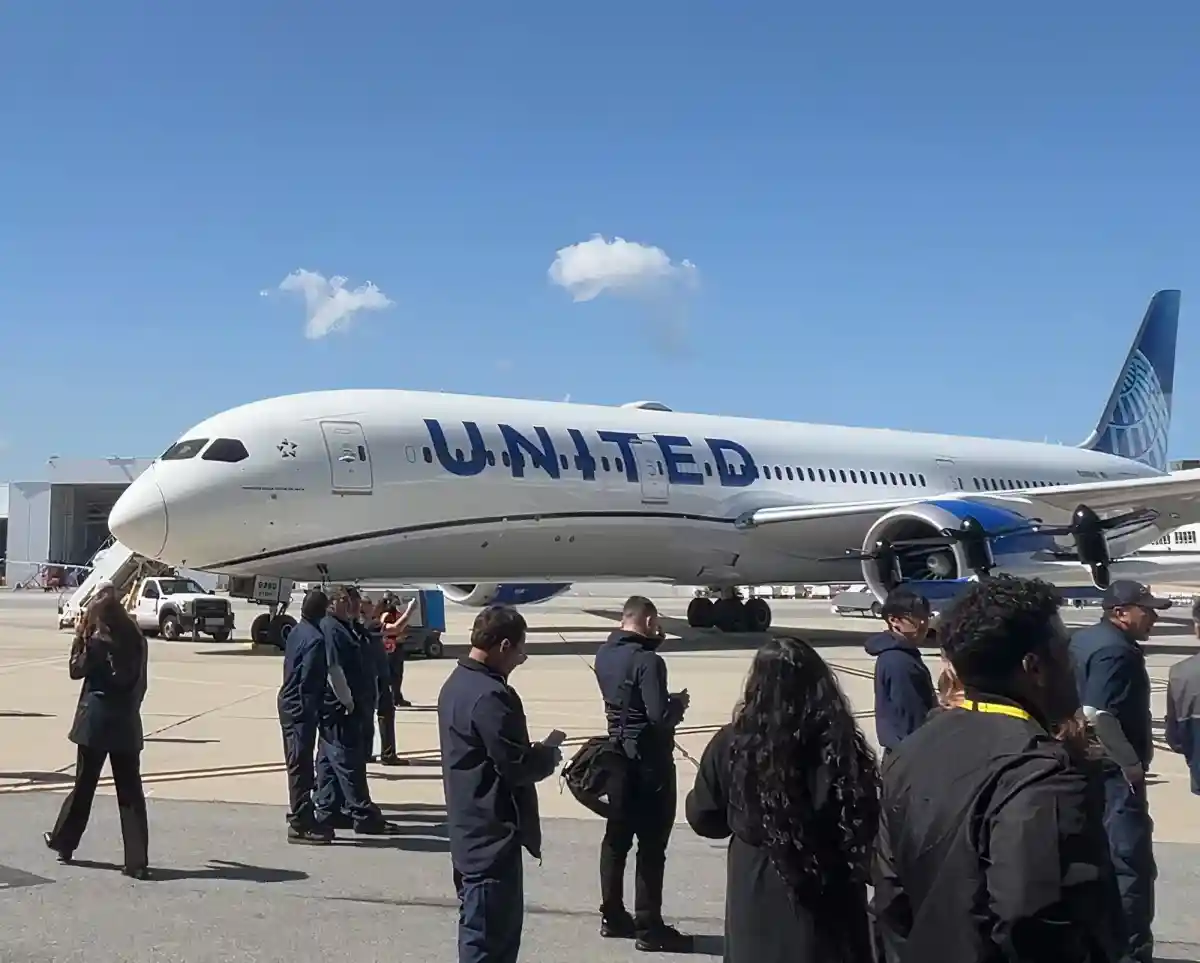
For decades, San Francisco International Airport (SFO) has been one of the most important aviation gateways between North America and the Pacific. However, United Airlines has transformed the airport from a major international hub into something far more strategically significant: an ultra-long-haul Pacific fortress designed around nonstop connectivity, premium travelers, cargo demand, and the unique geography of the West Coast.
While other US airlines have maintained scattered international networks, United has taken a different approach. The airline has concentrated its Pacific ambitions around San Francisco, building a network that connects Silicon Valley, major Asian cities, and Oceania destinations with fewer stops and more premium capacity. The result is a hub that now stands as the strongest Pacific launch point operated by any US carrier.
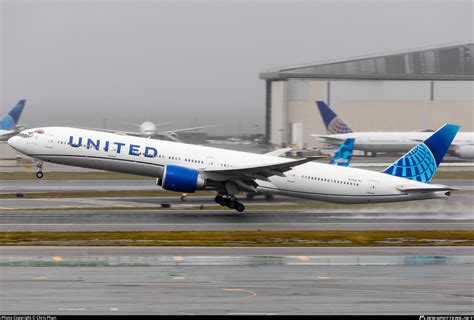
The strategy did not happen overnight. United’s current dominance across the Pacific is the result of decades of investment, fleet decisions, airport development, and a careful understanding of where global demand is moving. Today, routes such as San Francisco–Manila and San Francisco–Christchurch represent more than new destinations. They demonstrate how United is using aircraft capability and geography to reshape competition across one of the world’s most important aviation regions.
How United Built A Pacific Fortress At San Francisco International Airport
San Francisco’s geographic position has always provided a natural advantage. Located on the US West Coast, the city is significantly closer to many Asian and Pacific destinations than most other major American cities. This geographic efficiency reduces flight times, improves aircraft utilization, and creates a stronger foundation for nonstop long-distance services.
However, geography alone does not create a global hub. United’s Pacific strength is connected to a historic turning point in 1985, when the airline acquired Pan American World Airways’ Pacific Division. The $750 million transaction dramatically expanded United’s international presence by transferring valuable Pacific routes, operations, employees, and aircraft.
The acquisition included Pan Am’s Pacific network, with important operations in locations such as Tokyo, San Francisco, and Honolulu. United also inherited a fleet that included Boeing 747SP aircraft, Lockheed L-1011-500s, and McDonnell Douglas DC-10-30s. Although those aircraft types have long disappeared from United’s fleet, the strategic foundation created by that deal continues to influence the airline’s Pacific network today.
Over the following decades, United developed San Francisco into a hub capable of supporting some of the longest commercial flights in the world. Instead of competing directly with every international carrier through multiple US gateways, United increasingly focused resources on creating a concentrated Pacific operation at SFO.
By 2025, United had expanded its SFO operations significantly, offering approximately 4.5 times more Pacific seats than any other US airline provides from a single hub. The airline’s Pacific growth has turned San Francisco into the center of its global strategy.
Why San Francisco–Manila Became A Flagship Ultra-Long-Haul Route
Among United’s recent Pacific expansions, the San Francisco–Manila route has become one of the airline’s most important examples of long-haul network planning.
Launched in October 2023, the route marked a historic milestone because United became the first US airline to operate nonstop service between the United States and the Philippines. The route connected two markets with powerful economic and demographic links, creating demand from business travelers, families, tourists, and the large Filipino community across North America.
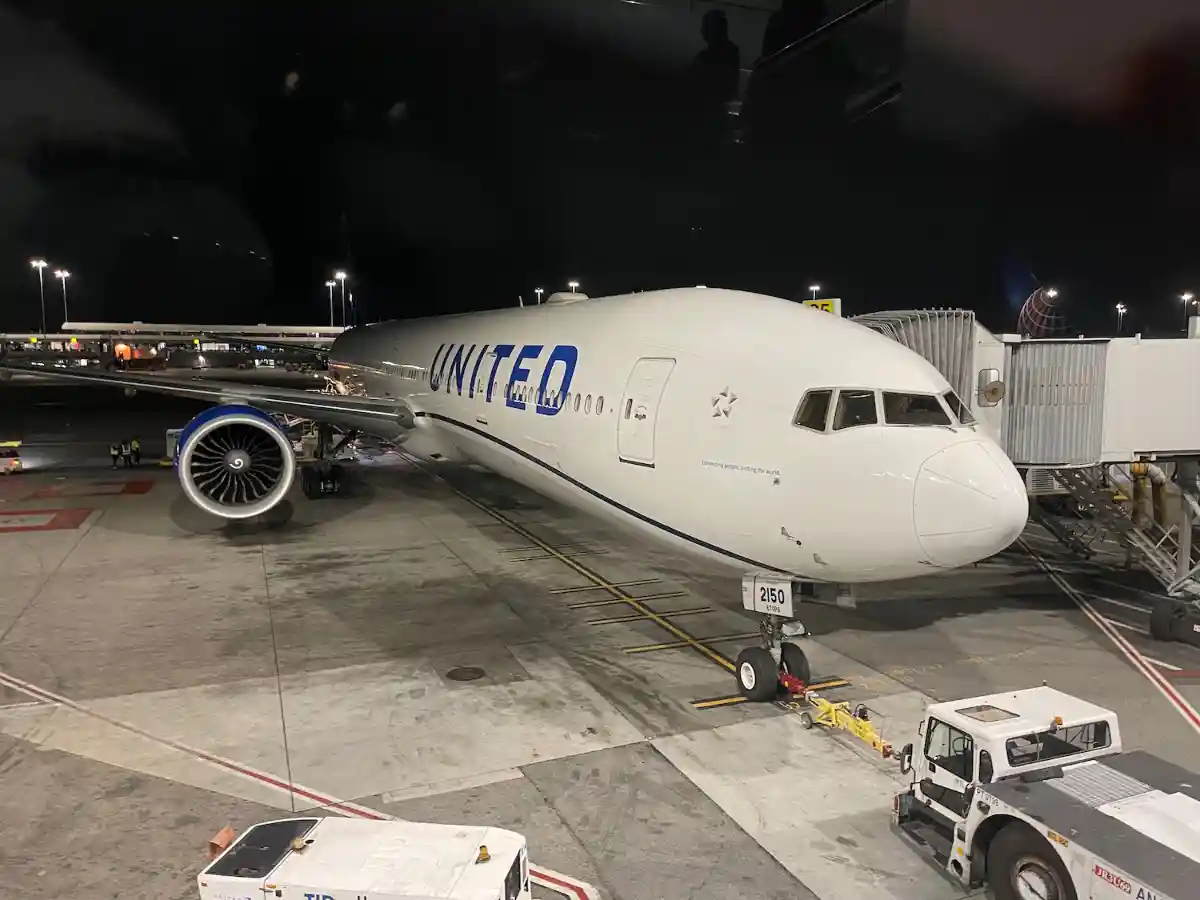
The route quickly demonstrated strong performance. According to industry data, the service achieved load factors above 88% in its first year and improved further, reaching more than 91% in 2025. Such results encouraged United to expand the route to twice-daily service beginning in October 2025.
The success of San Francisco–Manila reflects a broader change in international aviation. Passengers increasingly prefer direct connections that eliminate complicated transfers through traditional hubs. A traveler from Silicon Valley traveling to Manila, for example, can now avoid connecting through Tokyo, Seoul, or another Asian gateway.
United’s advantage comes from combining nonstop convenience with a strong premium product. The airline has introduced Polaris business class suites on key long-haul routes, targeting corporate travelers who value time savings and comfort.
The route also benefits from San Francisco’s unique economic position. The Bay Area is home to some of the world’s largest technology companies, creating a steady flow of business travelers between the United States and Southeast Asia. For United, Manila is not simply a leisure destination. It is part of a broader strategy connecting global innovation centers.
Why Christchurch Fits United’s Pacific Expansion Strategy
United’s decision to launch San Francisco–Christchurch demonstrates how the airline is using smaller, specialized markets to strengthen its Pacific network.
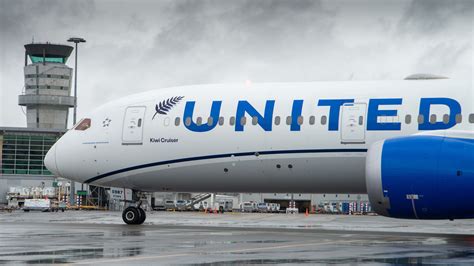
Operating seasonally three times per week during New Zealand’s summer season, the route is the only nonstop service operated by a US airline to New Zealand’s South Island. Rather than competing only for traditional Auckland traffic, United identified an opportunity to connect directly with premium leisure travelers heading toward destinations such as Queenstown, the Southern Alps, and other South Island attractions.
The route also supports cargo opportunities. Christchurch Airport has invested heavily in expanding freight capabilities, increasing its ability to handle additional cargo operations. For long-distance flights, passenger demand is only one part of the equation. Belly cargo revenue can significantly improve the economics of ultra-long-haul services.
United’s Christchurch service also complements its existing New Zealand network. The airline already operates flights to Auckland from San Francisco and seasonal services from Los Angeles. Together, these routes give United a stronger position in the New Zealand market than most US competitors.
Delta Air Lines and American Airlines also serve New Zealand, but United’s broader Pacific presence allows it to create more connections and offer more travel options. The Christchurch route shows how the airline is moving beyond traditional hub-to-hub flying and targeting specific markets where nonstop service creates new demand.
The Boeing 777 And Boeing 787 Are The Engines Behind United’s Pacific Growth
Aircraft selection is one of the most important factors behind United’s Pacific strategy. The airline’s fleet gives it flexibility to operate both high-demand routes and thinner long-distance markets.
For major Pacific routes such as San Francisco–Manila, United relies on the Boeing 777-300ER. This aircraft offers large passenger capacity, extensive cargo capability, and the range required for demanding international operations. Depending on configuration, United’s 777-300ER aircraft can carry hundreds of passengers while generating significant revenue from premium cabins and freight.
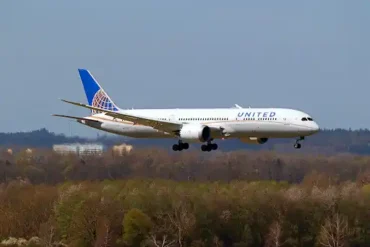
For developing markets such as Christchurch, United uses the Boeing 787 Dreamliner family. The 787-8 and 787-9 provide lower operating costs, improved fuel efficiency, and the ability to open routes that may not initially support larger aircraft.
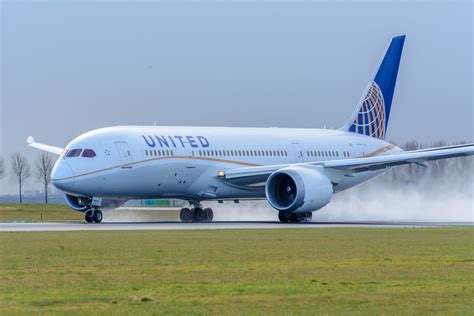
This combination allows United to balance growth and financial discipline. The 777 provides capacity where demand is already proven, while the 787 allows the airline to experiment with new markets without committing excessive capacity.
United operates dozens of Boeing 787 aircraft and has additional Dreamliners on order, giving the airline a powerful tool for future Pacific expansion. The aircraft’s efficiency has changed the economics of long-distance aviation by making routes possible that would have been difficult with older aircraft generations.
San Francisco Gives United A Unique Competitive Advantage
The strength of United’s Pacific fortress is not based only on international flights. The airline benefits from SFO’s powerful domestic network, which feeds passengers from across the United States into long-haul departures.
United operates hundreds of daily flights from San Francisco, connecting the airport with major US cities. This domestic network allows the airline to support international routes with passengers beyond the local Bay Area market.
The airport also serves one of the world’s strongest business regions. Silicon Valley creates demand for premium international travel, especially between technology centers in North America and Asia. United’s growing premium capacity strategy matches this market, with the airline increasing the number of premium seats available across its network.
Infrastructure investment is also supporting the hub’s future. The redevelopment of Terminal 3 West at SFO is expected to improve passenger flow, connections, and the overall travel experience for United customers.
Together, aircraft capability, airport investment, and domestic connectivity create a system that competitors cannot easily replicate.
Growing Competition Across The Pacific
United’s Pacific dominance does not mean the market is uncontested. International airlines continue to expand their North American networks, and several competitors are targeting the same high-value travelers.
Philippine Airlines, for example, is investing in new widebody aircraft, including Airbus A350-1000 jets, to strengthen its long-haul network and defend its position on routes connecting the Philippines with North America.
Other airlines operating from SFO, including Asian, European, and Middle Eastern carriers, continue to compete for international passengers. The airport remains one of the most globally connected aviation markets in the United States.
However, United’s advantage comes from scale. The airline combines a large domestic feed network, extensive Pacific experience, premium products, and a growing fleet of long-range aircraft. Competing airlines may operate individual successful routes, but matching United’s entire SFO ecosystem is significantly more difficult.
The Future Of United’s San Francisco Pacific Fortress
United Airlines’ transformation of San Francisco into a Pacific powerhouse represents a broader shift in global aviation. Airlines are increasingly moving away from traditional hub competition and focusing on strategic nonstop routes that connect specialized markets.
The success of San Francisco–Manila and San Francisco–Christchurch demonstrates that passengers value direct access, even on extremely long flights. Modern aircraft such as the Boeing 787 Dreamliner and Boeing 777-300ER have made these services commercially realistic.
As United continues expanding its international network, SFO will likely remain the centerpiece of its Pacific ambitions. The airline has created a hub built around geography, technology, premium demand, and long-term planning.
What appears from the outside to be a series of individual route launches is actually a carefully designed strategy. United has quietly transformed San Francisco into America’s most powerful Pacific gateway, creating an ultra-long-haul fortress that connects the United States with some of the fastest-growing and most valuable markets across Asia and Oceania.