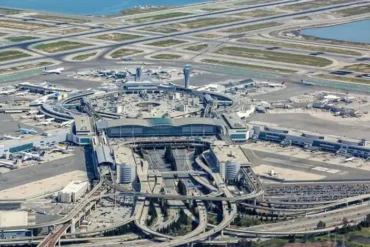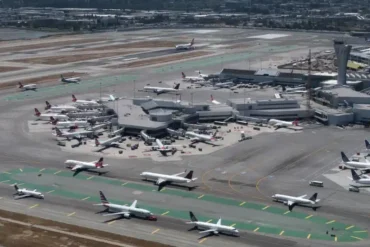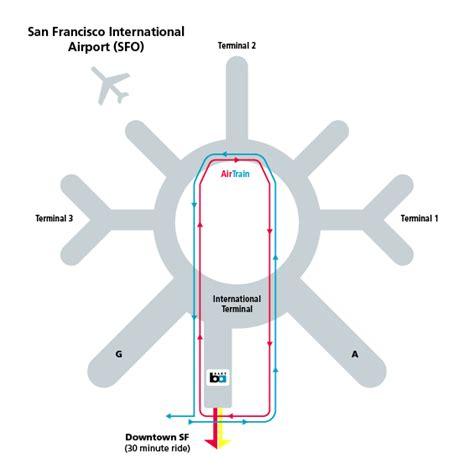
San Francisco International Airport (SFO) has become a vital transatlantic bridge, reshaping the global travel landscape between North America and Europe. As of 2026, 16 major airlines operate direct European routes from SFO, representing one of the most extensive international flight networks on the U.S. West Coast. What began in the 1950s with pioneering services by Trans World Airlines (TWA) and Lufthansa has evolved into a dynamic, competitive arena of air connectivity, firmly placing San Francisco on the map of global aviation powerhouses.
A Legacy of Transatlantic Expansion
The roots of San Francisco’s European connectivity trace back to 1957, when TWA launched the first nonstop flights to London and Paris, marking the birth of long-haul international service from the Bay Area. Lufthansa quickly followed, becoming the first European carrier to enter the San Francisco market. Over the following decades, the airport transformed into a bustling gateway, attracting new airlines and expanding its continental reach across Europe.
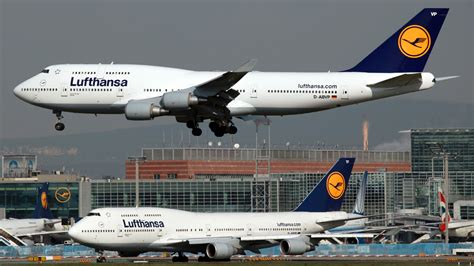
Today, the scope of this evolution is fully realized with more than 7,500 scheduled transatlantic flights between January and October 2026 alone. This surge underscores not just SFO’s rising status but also the strong, sustained demand for European travel—be it for business, tourism, or cultural exchange.
The Current Landscape: 16 Airlines, Dozens of Routes
As of 2026, SFO offers direct services to key European destinations through an unprecedented mix of legacy carriers, low-cost operators, and leisure airlines. Notable among these are United Airlines, British Airways, Lufthansa, KLM, Air France, and Turkish Airlines, each with a longstanding presence at the airport.
The full roster of airlines providing Europe-bound flights from SFO includes:
- United Airlines
- British Airways
- Lufthansa
- Virgin Atlantic
- Air France
- Turkish Airlines
- KLM Royal Dutch
- Aer Lingus
- Swiss
- SAS
- ITA Airways
- TAP Air Portugal
- French Bee
- Condor
- Iberia
- LOT Polish Airlines
These carriers connect San Francisco to more than 20 major European cities, from London, Paris, and Frankfurt to more unique destinations like Terceira Island and Warsaw. Seasonal adjustments, frequency increases, and newly added cities further reinforce the fluid, demand-driven nature of these services.
United Airlines: The Dominant Transatlantic Player
Of all the carriers operating transatlantic routes at SFO, United Airlines stands in a class of its own. As the airport’s primary hub carrier, United accounts for a commanding share of European traffic, offering nonstop flights to eight major European cities.
Key destinations for United from SFO include:
- London Heathrow – 2x daily in winter, 3x daily in summer
- Frankfurt – 2x daily
- Paris CDG, Amsterdam, Rome, Zurich, Munich, and Barcelona – 1x daily (seasonal adjustments apply)
United has consistently refined its European offerings to meet evolving market demands. In recent years, it has introduced new seasonal routes to Barcelona and Rome, leveraging the success of competitive routes already operated by European carriers like Iberia and ITA Airways.

Its deep integration into the airport ecosystem allows for superior connectivity, and it remains the only U.S.-based carrier flying directly from San Francisco to Europe. United’s recent 20% increase in flight operations from SFO further cements its dominance, backed by global partnerships and strong code-share alliances.
New Entrants and Fresh Routes: A Growing Market
In the past three years, the European flight network at SFO has expanded significantly with new entrants and the launch of fresh routes, especially from Central and Southern Europe.
- In 2022, Condor reintroduced Frankfurt service as part of its leisure travel focus.
- In 2023, ITA Airways launched flights to Rome Fiumicino, marking the return of direct service to the Italian capital.
- Coming in May 2026, LOT Polish Airlines will inaugurate Warsaw–San Francisco flights with four weekly services.
These new routes reflect the changing preferences of travelers, as well as the strategic intent of airlines to diversify transatlantic offerings beyond Western Europe’s traditional hubs.
France, Germany, and the UK: Cornerstones of SFO’s European Network
Notably, the UK, Germany, and France remain the core markets of SFO’s European strategy. Between them, these three countries account for over 40% of total transatlantic capacity from San Francisco.
- British Airways and Virgin Atlantic maintain up to three daily services to London Heathrow.
- Lufthansa and Condor connect to Frankfurt, with Lufthansa also serving Munich.
- Air France and French Bee collectively offer up to three daily flights to Paris, split between Charles de Gaulle and Orly.
These carriers cater to both premium and budget-conscious segments, with frequencies that ramp up significantly during the summer months to match peak travel demand.
Seasonal Adjustments Reflect Dynamic Demand Patterns
SFO’s European flight schedule showcases the dynamic seasonality of transatlantic travel. Many routes operate at reduced frequency or are suspended during the winter months, only to return with higher volumes during summer.
For example:
- KLM and United scale back Amsterdam services in January and February.
- ITA Airways pauses flights from January 8 to March 2, resuming daily operations by June.
- Iberia’s flights to Barcelona and Madrid increase in frequency from April through summer.
These patterns highlight the airline industry’s responsiveness to travel trends, school holidays, and peak tourism seasons.
Airlines That Departed: A Post-Pandemic Reality
While growth has been a key theme at SFO, the COVID-19 pandemic led to the exit of several European carriers. These include:
- Icelandair, which ended Reykjavik service in 2020 due to weak financial performance.
- WOW Air, the now-defunct low-cost Icelandic airline, ceased operations in 2019.
- Finnair, which briefly operated Helsinki flights between 2016 and 2020.
- Norwegian, whose ambitious London-Gatwick service ended with the airline’s retreat from long-haul flying.
These exits reflect the challenges of maintaining profitability on long-haul routes, particularly when operating outside alliance frameworks or relying heavily on seasonal demand.

Looking Ahead: San Francisco as a Global Aviation Nexus
With 16 airlines and an ever-diversifying network of European destinations, SFO is on track to become one of the premier transatlantic hubs in the United States. The increase in airline competition, the entry of new European players, and United Airlines’ strategic network expansion all point to a future of sustained growth and improved passenger choice.
As global air travel continues to rebound, San Francisco is poised to capture even greater market share in the transatlantic segment. Its ability to connect business travelers, tech professionals, tourists, and the European diaspora reflects the city’s influential role in global mobility.
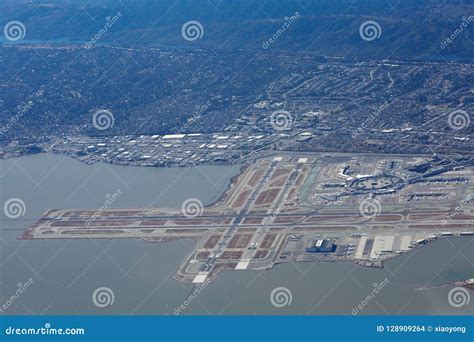
With forward momentum and a commitment to connectivity, San Francisco International Airport is not just connecting cities—it’s connecting cultures, economies, and the future of transatlantic aviation.