Emirates has officially expanded its European footprint once again, confirming Helsinki as its 41st destination in Europe, a move that quietly but decisively reshapes long-haul connectivity between Northern Europe, Asia, and the Middle East. Announced on January 13, the long-anticipated route signals not just another dot on the map, but a strategic recalibration of Emirates’ European network at a time when demand patterns, aircraft choices, and geopolitical realities are redefining global aviation.
For years, Helsinki was viewed as an inevitable addition rather than a speculative one. The city’s strong premium traffic base, high-yield Asian demand, and limited Gulf carrier competition made it a natural fit. Emirates’ decision confirms that the question was never if, but when, and the answer arrives just in time for the winter travel season when Nordic outbound demand surges.
The new service launches on October 1, aligning perfectly with the peak period for long-haul leisure and connecting travel. Helsinki becomes a year-round destination, served daily, marking a clear vote of confidence in sustained demand rather than seasonal experimentation.
Why Helsinki Matters in Emirates’ European Strategy
Helsinki occupies a unique position in Europe’s aviation ecosystem. While not among the continent’s largest hubs by volume, it commands outsized relevance for Asia-Europe flows, particularly from Northeast and Southeast Asia. Over the 12 months to October 2025, more than 13 million local passengers traveled between Europe and Dubai alone, and roughly 60,000 of those originated or ended in Helsinki, a substantial figure for a market previously underserved by Gulf carriers.
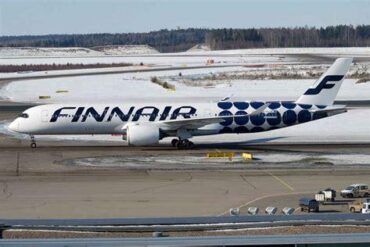
Unlike many European capitals, Helsinki has seen limited direct competition from Middle Eastern network airlines. Neither Etihad Airways nor Qatar Airways currently serve the city, and while flydubai operated the route between 2018 and 2022, its narrowbody capacity constrained growth. Emirates’ arrival dramatically changes that equation, instantly elevating capacity, connectivity, and cargo capability.
Aircraft Choice Signals a New Era
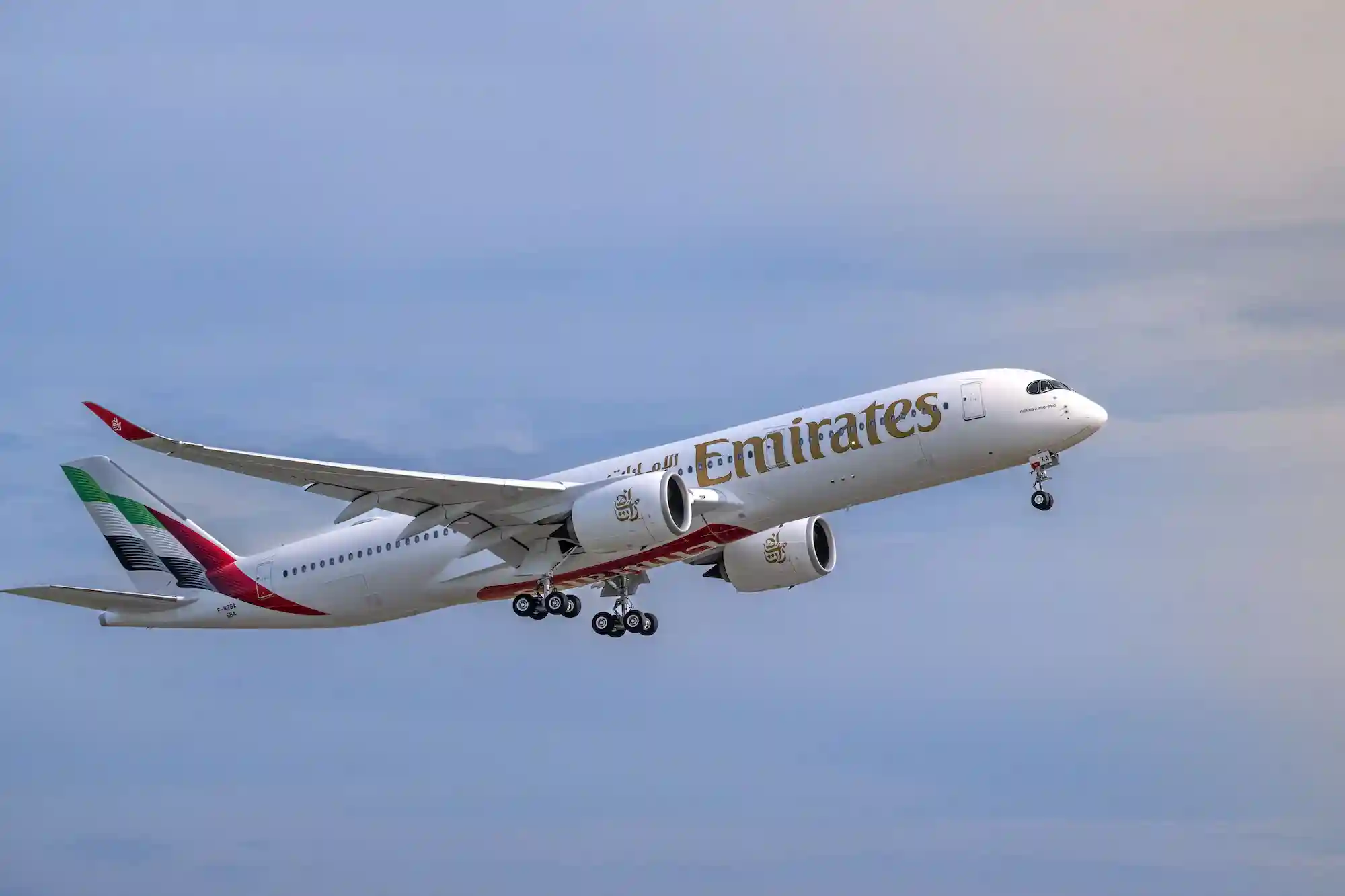
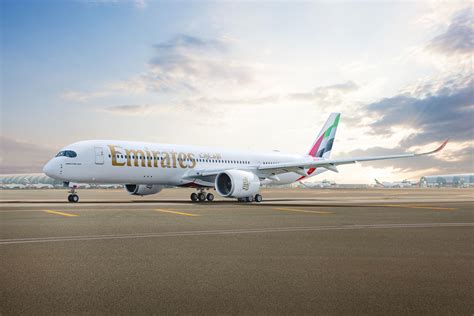
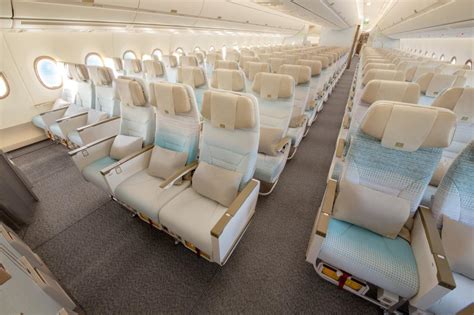
Emirates will deploy its Airbus A350-900 on the Helsinki route, reinforcing the aircraft’s growing role in the airline’s medium-density long-haul markets. While it remains unclear whether the 298-seat or 312-seat configuration will be scheduled, either option represents a major capacity upgrade compared to flydubai’s previous operations.
Beyond passenger volume, the A350 introduces significant belly-hold freight capacity, a critical factor for Nordic exporters moving high-value goods through Dubai to Asia, Africa, and Australia. This dual passenger-cargo capability strengthens Helsinki’s role not just as a destination, but as a logistics node within Emirates’ global system.
Timings Designed for Maximum Connectivity
Schedule design reveals Emirates’ intent with striking clarity. Flights will depart Dubai during the airline’s busiest European departure bank and arrive back in the UAE around midnight, synchronizing perfectly with onward connections across Asia, Africa, and Oceania. This precision ensures minimal connection times and maximized network efficiency, a hallmark of Emirates’ hub-and-spoke model.
The result is seamless two-way connectivity, allowing Helsinki passengers to reach dozens of destinations with a single stop, while inbound travelers gain smooth access to Northern Europe.
Asia Is the Primary Target Market
While local Helsinki-Dubai traffic is meaningful, the route’s real strength lies in Asia-bound connections. Data shows the top connecting markets include Bangkok, Tokyo, Shanghai, Seoul, Hong Kong, Delhi, Singapore, and Phuket, each generating tens of thousands of passengers annually. With ongoing airspace restrictions forcing European carriers into longer routings to Asia, flying via Dubai has become increasingly competitive, even for traditionally nonstop markets.
Emirates’ network also opens efficient links to Australia, Africa, and South Asia, markets where Helsinki currently has limited direct reach. This positions the airline as a powerful alternative to European hub carriers, particularly during the winter months when demand for warm-weather destinations peaks.
The Bigger Picture: Emirates in Europe
With Helsinki added, Emirates now plans to operate passenger services to 41 European airports, averaging around 80 daily departures during the October schedule period. While overall seat capacity per flight has gradually declined due to the increased use of lower-capacity aircraft like the A350, frequency and network breadth continue to grow.
This expansion underscores Emirates’ long-term confidence in Europe, even as fleet strategy evolves and market dynamics shift. Helsinki is not just another destination; it is a statement that Northern Europe remains central to Emirates’ global vision, and that smart capacity deployment matters more than sheer size in the next phase of international aviation.