Understanding the Gateway to the Last Great Wilderness
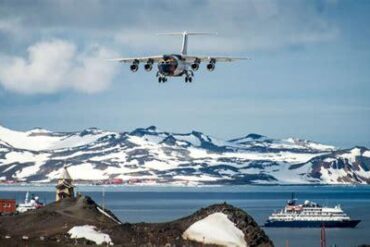
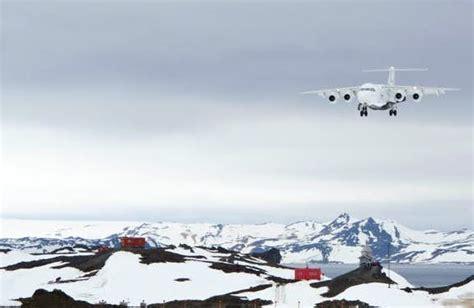
Antarctica, a landmass veiled in ice, mystery, and extremity, sits at the southernmost point of the Earth. While the vast majority of tourists reach it via expedition ships across the Drake Passage, a growing number of intrepid travelers are choosing to fly to Antarctica for quicker access, fewer sea-sick days, and a chance to touch down on King George Island, the air-accessible outpost of the Antarctic Peninsula.
To fly to Antarctica, one must navigate a complex mix of intercontinental connections, weather dependencies, and logistical planning—but the payoff is incomparable. The opportunity to walk among penguin colonies, icebergs, and desolate, alien landscapes within hours instead of days is an emerging trend in polar tourism.

Primary Flight Routes into Antarctica
There are three primary flight paths into Antarctica, each offering a unique access point and style of experience. These routes are not direct from major world capitals, but rather require staging from southern hemisphere cities deeply embedded in the logistics of polar travel.
1. Chile to King George Island (Antarctic Peninsula)
The most common and commercially available air route is via a two-hour flight from Punta Arenas, Chile, landing on King George Island in the South Shetland archipelago. From here, travelers either:
-
Embark on a fly-cruise expedition, boarding a ship already stationed in Antarctic waters, or
-
Stay for short guided excursions and scientific station visits.
This is the fastest and most popular air route, operated by companies like Antarctica21 and Swoop, though subject to severe weather delays and limited flight windows during the Austral summer (November to March).
2. New Zealand to the Ross Ice Shelf
Less frequently, scientific and research expeditions—and a select number of extreme tourists—can access Antarctica via Christchurch or Queenstown, New Zealand, flying into the Ross Ice Shelf region. Flights often land on:
-
Williams Field (Willy Field)
-
Pegasus Field (when operational)
These are typically US or NZ government-run flights aboard military aircraft like the LC-130 Hercules. Civilian access is extremely limited, though high-budget private tours occasionally obtain permits.
3. South Africa or Chile to the South Pole
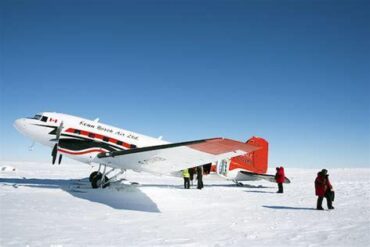
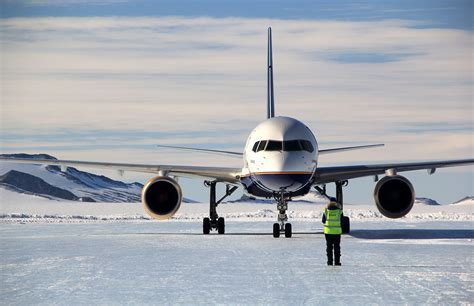
For those with deep pockets and a thirst for extremes, direct flights from Cape Town or Punta Arenas to inland bases like Union Glacier Camp or even Amundsen-Scott South Pole Station are available. These routes are operated by specialized adventure logistics firms, such as ALE (Antarctic Logistics & Expeditions). Prices easily exceed $50,000 per person, and flights are dependent on ultraclear weather windows and special aircraft capable of ice landings.
Departure Cities and International Access
Flying to Antarctica requires reaching key southern gateway cities. Depending on your country of origin, expect a minimum of 2–3 flight legs before even departing for Antarctica.
-
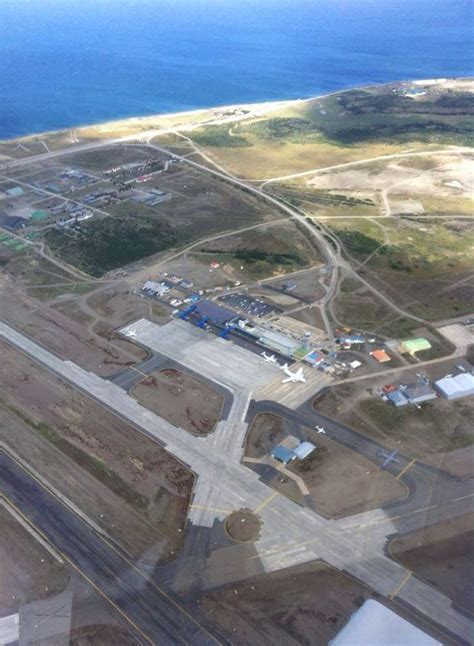
Punta Arenas, Chile – the primary hub for fly-cruises and direct Antarctic flights. Reachable from Santiago, with international connections from the USA, Canada, and Europe.
-
Buenos Aires, Argentina – connects to Ushuaia for ship-based departures, but also serves as a route to Punta Arenas.
-
Christchurch or Queenstown, New Zealand – military and limited civilian flights to McMurdo or the Ross Sea area.
-
Cape Town, South Africa – the primary route for South Pole flights and access to East Antarctica.
Types of Antarctic Flights and What to Expect
Commercial Fly-Cruise Packages
Fly-cruise trips remain the most accessible and budget-conscious way to fly to Antarctica. These packages include:
-
Return flights to King George Island
-
Transfers to an expedition cruise ship
-
8–12 day itineraries exploring the Antarctic Peninsula
This method cuts out the notoriously turbulent Drake Passage, saving two travel days and avoiding seasickness.
Day Excursions and Scenic Flights
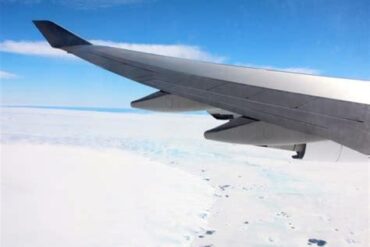
Some companies, particularly from Australia (e.g., Qantas), operate non-landing sightseeing flights over Antarctica. These fly from Sydney or Melbourne in a wide loop, offering aerial views of the ice shelf, mountains, and glaciers.
Though no landing occurs, these flights last 12–14 hours and serve as a less immersive yet visually stunning alternative.
Private Charters and Expeditions
For high-net-worth individuals or documentary crews, private air charters are possible. These custom flights can reach:
-
Union Glacier Camp (with further transport to the South Pole)
-
Queen Maud Land via Cape Town
-
Specialized routes for scientific support
These journeys demand extreme weather gear, high insurance, and pre-trip survival training.
Weather Dependencies and Delays
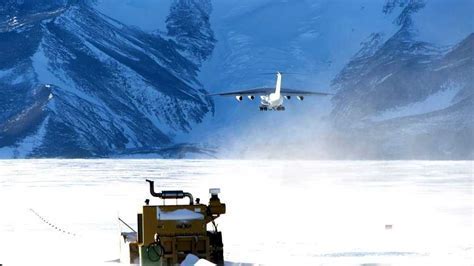
Flights to Antarctica, particularly to King George Island, face one dominant obstacle: polar weather. Sudden whiteouts, extreme winds, or poor visibility can delay flights for days. Travelers must:
-
Build flexible buffer days into itineraries
-
Be physically prepared for unexpected camping or extended stays
-
Have travel insurance covering weather-related interruptions
Flights often operate on last-minute go/no-go decisions, making patience a necessary trait.
Visas and Border Control
Antarctica itself has no visa requirement, as it falls under the Antarctic Treaty System, which suspends sovereign claims. However, travelers must:
-
Ensure valid visas for transit countries (e.g., Chile, Argentina, South Africa)
-
Comply with environmental protection regulations, such as not introducing foreign species or pollutants
Tour operators often assist with documentation, but the responsibility lies with the traveler.
How Much Does It Cost to Fly to Antarctica?
The cost of flying to Antarctica varies wildly based on the route, type of experience, and time of year. Here’s a rough estimate:
-
Fly-cruise packages: $10,000–$18,000 per person
-
South Pole flights: $50,000–$90,000 per person
-
Scenic overflights: $1,200–$3,000 per person
-
Private charters: $100,000+ depending on aircraft and destination
Flights are more expensive than sea cruises, but save significant time and avoid seasickness.
When to Fly: The Antarctic Travel Window
Antarctica is accessible only during the Antarctic summer—from November through March. Key points to consider:
-
November: pristine landscapes, lots of ice, fewer tourists
-
December–January: peak wildlife season, penguin chicks hatching, longest daylight
-
February–March: whale watching, warmer temperatures, retreating ice fields
Flights operate only when runways are stable, usually on blue ice or gravel-covered surfaces maintained by scientific crews.
Solo Travel and Group Tours
While technically possible to fly to Antarctica solo, most visitors travel in organized groups. Operators provide:
-
Logistics, aircraft permits, survival training
-
Meals, emergency equipment, communication systems
We recommend booking through licensed Antarctic operators, especially those under IAATO (International Association of Antarctica Tour Operators), to ensure safety and environmental compliance.
Add-On Destinations and Travel Extensions
Since Antarctica-bound flights originate from South America, New Zealand, or Africa, travelers can add bucket-list side trips such as:
-
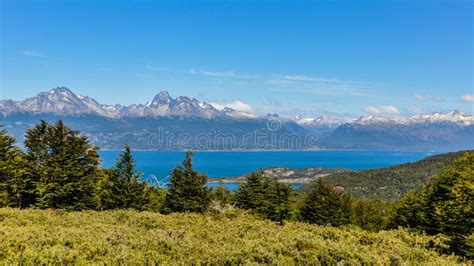
Patagonia: glaciers, hiking in Torres del Paine
-
Tierra del Fuego: Ushuaia’s end-of-the-world vibe
-
Atacama Desert: stargazing and salt flats in Chile
-
Cape Town: Table Mountain, wine country, safaris
These pre- or post-Antarctic stops offer a chance to acclimatize and explore more of the southern hemisphere.
Final Thoughts: Is Flying to Antarctica Worth It?
Flying to Antarctica offers a fast, immersive, and adrenaline-charged way to reach the seventh continent. Though less common than cruise travel, flights provide:
-
Quicker access for time-constrained travelers
-
Smoother journeys without ocean turbulence
-
Opportunities to reach deeper destinations, including the South Pole
However, it comes with higher costs, greater weather risk, and less spontaneous flexibility than sea routes. Still, for many, the sheer drama of landing on an ice runway surrounded by frozen silence is worth every dollar.
FAQs
How long does it take to fly to Antarctica?
From Punta Arenas, Chile, the flight to King George Island takes approximately 2 hours. Flights to deeper inland destinations, such as Union Glacier or the South Pole, can take 4 to 6 hours, depending on aircraft type and route.
Do I need a visa to enter Antarctica?
No visa is required for Antarctica itself, but you must check entry requirements for transit countries like Chile or South Africa. For example, travelers from the U.S. usually don’t need a visa for short stays in Chile, but that may vary.
Can I fly to Antarctica independently?
Independent travel to Antarctica by air is not recommended and rarely permitted. Almost all flights are part of organized tours or logistics programs. Solo travel options are extremely limited due to environmental regulations and safety risks.