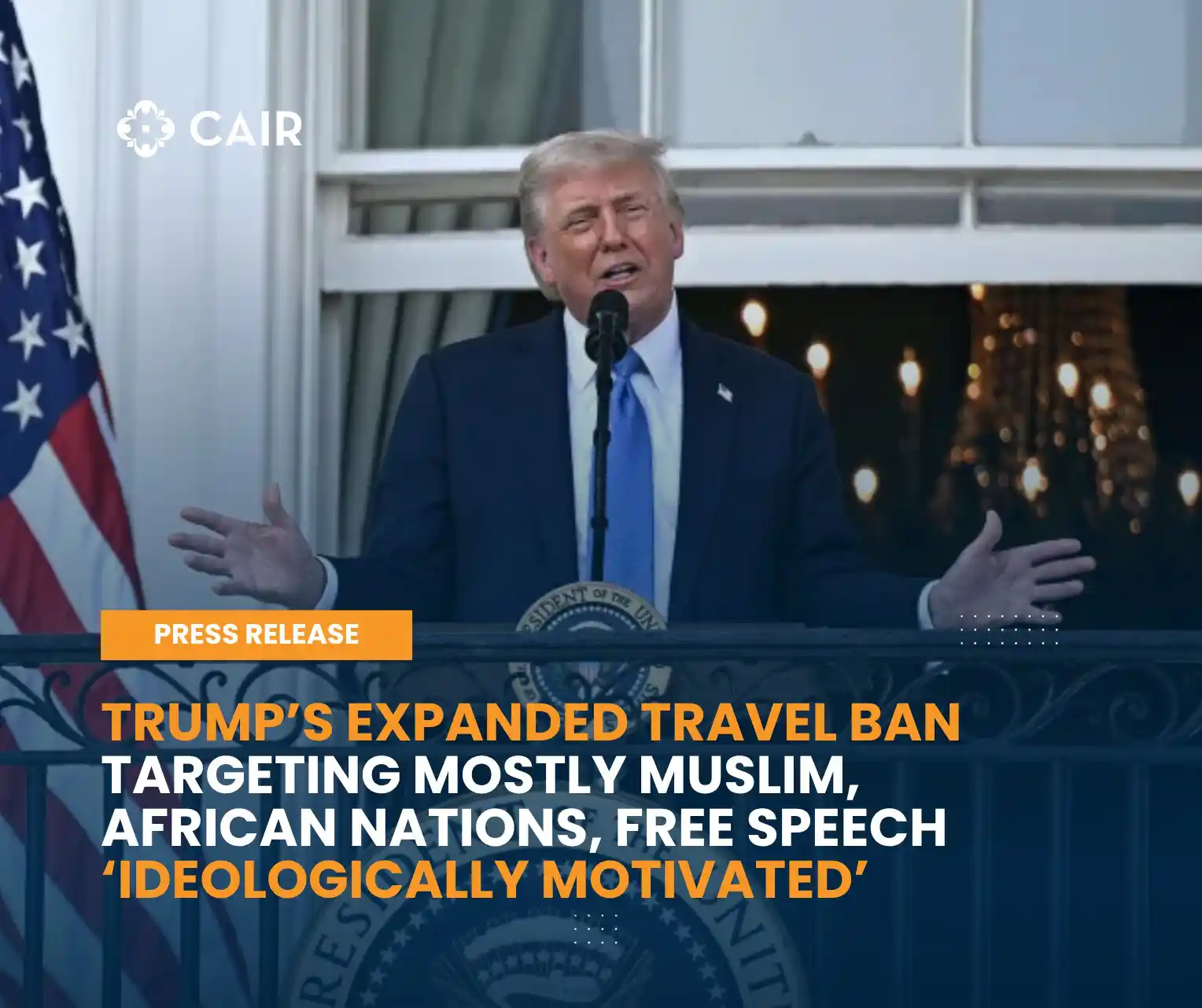
The recent expansion of the US travel ban to include 25 African countries, including Ethiopia, Ghana, Nigeria, Malawi, Senegal, and Cameroon, has sent shockwaves through the African continent. With the tourism industry already reeling from the effects of global economic instability and climate-related disruptions, this latest move threatens to cripple key national economies and unravel diplomatic progress between Africa and the United States.
A Blow to Africa’s Tourism-Driven Economies
The United States has historically been a major source of international visitors to Africa, fueling local economies, boosting employment, and supporting national GDPs through robust tourism-related revenue streams. For countries like Egypt, Tanzania, and Zimbabwe, the tourism sector forms the economic backbone, with thousands employed directly in hospitality, transport, and cultural industries. The expanded ban now jeopardizes this system.

For instance, Tanzania’s Serengeti National Park, home to the Great Migration, and Mount Kilimanjaro, Africa’s highest peak, have long been staples of American travel itineraries. Egypt’s ancient pyramids, the Valley of the Kings, and the bustling cityscape of Cairo attract millions, and the threat of a travel ban could lead to severe downturns in visitation and income. Even countries with emerging tourism sectors, such as Malawi and Senegal, are being hit with a reputational crisis just as they try to establish themselves on the world stage.
Why the Expansion? U.S. Security Concerns Take Center Stage
The official rationale for the expansion is tied to national security, identity management, and visa overstay violations. According to U.S. officials, many of the targeted nations lack robust biometric identification systems and show insufficient cooperation when it comes to deportation agreements and managing undocumented immigrants.
Countries such as Egypt, Zimbabwe, and Cameroon have been flagged for failing to accept deported nationals or for providing inadequate identity documents. Meanwhile, the U.S. claims high rates of visa overstays from travelers originating in these countries, heightening suspicion and justifying increased restrictions under immigration enforcement priorities.
The move mirrors tactics used in previous years under the Trump administration, where similar bans faced widespread criticism for disproportionately targeting nations in Africa and the Middle East. Despite a change in leadership, these newly instated restrictions signal a continuation—if not an escalation—of tough immigration policies under the guise of national interest.
Countries in the Crosshairs
Among the 25 nations now at risk of full or partial travel bans, several stand out due to their strategic and economic importance:
- Egypt
- Tanzania
- Zimbabwe
- Cameroon
- Nigeria
- Malawi
- Senegal
- Angola
- Burkina Faso
- Côte d’Ivoire
- Democratic Republic of Congo
- South Sudan
- Zambia
These countries have deep ties to the U.S., not only in tourism but in trade, security collaboration, and cultural exchange. Nigeria alone is one of the largest economies on the continent and a key strategic partner in West Africa.
Industry Fallout: A Multi-Billion Dollar Threat
The immediate concern lies in the tourism revenue pipeline, but the long-term implications run deeper. A reduction in American tourists will directly hit local economies, resulting in job losses, shuttered hotels, and a weakened hospitality infrastructure. From safari guides to tour operators, the domino effect of this policy could lead to widespread economic destabilization.

Moreover, African countries have invested heavily in destination marketing and tourism infrastructure to attract North American visitors. The return on this investment is now in jeopardy. The 60-day compliance window given to these countries to meet updated U.S. standards is widely viewed as insufficient, particularly for nations already grappling with digital infrastructure challenges.
Diplomatic Fallout and Rising Tensions
The diplomatic consequences of this expanded ban are surfacing rapidly. Many African nations, including U.S. allies, have expressed dismay at the abruptness and tone of the restrictions. Nigeria’s foreign ministry called the move “unfair and counterproductive,” while Egyptian officials lamented the timing, noting ongoing reforms in immigration and ID security systems.
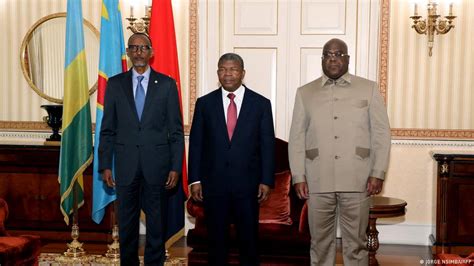
Civil society groups and regional organizations such as the African Union have also spoken out. Several human rights and travel freedom advocacy organizations are labeling the policy as “systemic discrimination” targeting nations with limited resources to comply within the U.S.-imposed deadline.
Africa’s Response: Urgency and Resistance
As opposition to the U.S. directive grows, African tourism boards, government ministries, and regional coalitions are scrambling to craft a coordinated response. Some nations are accelerating digital ID projects and revamping deportation compliance mechanisms. Others are turning toward China, the European Union, and Gulf states to diversify their inbound tourism sources and reduce dependency on American travelers.
But the speed at which these reforms can be implemented remains questionable. For smaller economies like Malawi and Benin, infrastructural limitations could mean exclusion from U.S. travel for years unless diplomatic negotiations yield a compromise. The travel bans may also serve as a catalyst for African regional travel cooperation, encouraging intra-African tourism and a pan-African tourism identity.
The Global Tourism Context
This development unfolds against a backdrop of increasing global fragmentation in travel regulation. The post-pandemic travel environment is already fractured by health regulations, visa complexities, and geopolitical volatility. In this context, the U.S. policy risks adding yet another barrier to equitable international mobility.
The African continent, while rich in natural beauty and cultural heritage, continues to face perceptual biases in Western narratives. The travel ban further entrenches a narrative that African countries are security threats rather than destinations of opportunity and growth.
Navigating a Narrow Window
With the 60-day window to meet U.S. standards already ticking, countries are racing against time. Key areas of reform include:
- Implementing or upgrading biometric ID systems
- Formalizing deportation and repatriation agreements
- Strengthening border security technology and personnel training
- Addressing past visa overstay statistics with new visa tracking mechanisms

However, this is not simply a matter of policy compliance. It’s also a battle for economic survival, sovereignty, and narrative control. The risk of failing to meet the U.S. standards isn’t just a reduction in tourists—it’s a potential shift in global alliances, tourism partnerships, and even investment flows.
Conclusion: A Critical Crossroads for Africa
The expansion of the U.S. travel ban to 25 African nations signals more than a tightening of immigration controls—it marks a defining moment in US-Africa relations, global tourism equity, and the trajectory of Africa’s economic resilience. The Africa tourism impact is already being felt in boardrooms, consulates, and hotel lobbies across the continent.
Whether the affected countries can quickly reform and satisfy U.S. security concerns remains uncertain. But one thing is clear: the next 60 days will shape Africa’s travel future for years to come.
As African nations seek to preserve their international tourism markets and political relationships, the road ahead will demand diplomacy, innovation, and a united front against policies perceived as disproportionately punitive. The world is watching—and so are millions who depend on tourism for their livelihoods.