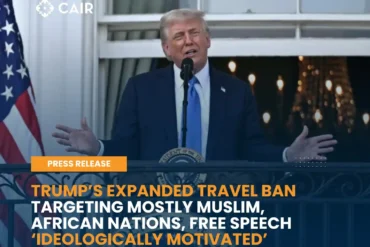
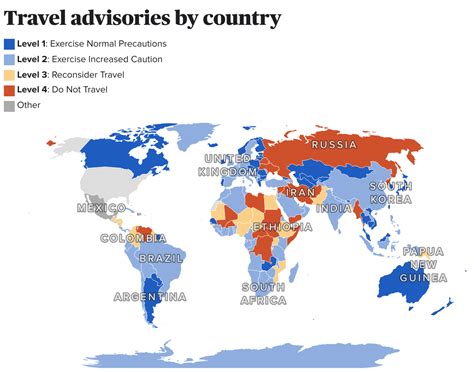
In a move that could dramatically reshape U.S.-Africa relations, the Trump administration is considering an expansion of its travel ban to include twenty-five African countries, according to a leaked internal memo. If implemented, this would be one of the most sweeping extensions of the controversial immigration policy, which first took effect in 2017. The proposed measure targets prominent nations such as Nigeria, Ethiopia, Ghana, Tanzania, and Zimbabwe, sparking concerns across diplomatic, educational, and commercial sectors.
Security Justifications and Policy Motives
The memo, which has circulated within high-ranking U.S. immigration and homeland security agencies, cites several pressing reasons behind the move. Chief among them is the issue of visa overstays, with data indicating that citizens from some of the listed countries are exceeding their permitted stay durations in the United States at disproportionately high rates. The absence of comprehensive national security vetting systems and insufficient information sharing agreements are also highlighted as significant risk factors.
The administration claims that these conditions undermine U.S. border security and complicate immigration enforcement. Countries failing to meet updated security and data-sharing benchmarks may face intensified visa scrutiny or outright restrictions on certain visa categories.
A Controversial Expansion with Global Consequences
Among the African nations under review, many have longstanding strategic, economic, and diplomatic ties with the U.S. The full list includes:
- Angola
- Benin
- Burkina Faso
- Cabo Verde
- Cameroon
- Côte d’Ivoire
- Democratic Republic of Congo
- Djibouti
- Egypt
- Ethiopia
- Gabon
- Gambia
- Ghana
- Liberia
- Malawi
- Mauritania
- Niger
- Nigeria
- São Tomé and Príncipe
- Senegal
- South Sudan
- Tanzania
- Uganda
- Zambia
- Zimbabwe
In addition, several non-African nations such as Antigua and Barbuda, Bhutan, and Cambodia are reportedly being evaluated under the same criteria.

Diplomatic Tensions on the Rise
The potential ban has already prompted backlash from foreign governments and international human rights organizations. Nigeria and Ghana, in particular, have expressed deep concerns, warning that such measures could jeopardize joint efforts on counterterrorism, economic development, and health cooperation. Both countries are regarded as key U.S. allies on the African continent, and they point to their existing collaborations with American security and diplomatic agencies as evidence of good faith efforts.
African leaders have framed the proposed restrictions as punitive and unjustified. They argue that sweeping bans tarnish bilateral relations, stigmatize African travelers, and damage the reputation of countries that have long been partners in global development and security initiatives.
Ripple Effects Across Education, Trade, and Diaspora Communities
Should the policy be enacted, the repercussions would stretch far beyond diplomacy. Academic exchanges between the U.S. and African countries would suffer a significant blow. Thousands of students from Nigeria, Ethiopia, and Ghana pursue higher education in the United States every year. Restrictions could force aspiring scholars to seek education in Europe, Canada, or Asia instead, undermining decades of educational partnerships.
Similarly, business travel would face considerable disruption. Many entrepreneurs, executives, and investors regularly travel between Africa and the United States for trade and development initiatives. Limiting their access could stall projects, delay investments, and erode trust in long-term commercial relationships.
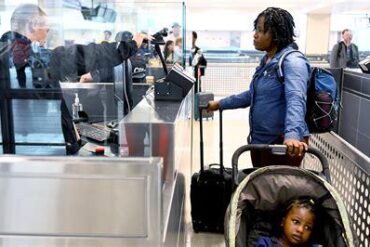
The proposed expansion would also impact family reunification, especially among diaspora communities who rely on legal migration channels to visit or support relatives. Such constraints could cause personal hardship and fuel sentiments of alienation and discrimination.
The African Union’s Expected Response
In anticipation of an official policy shift, the African Union (AU) is reportedly preparing a unified statement addressing the potential fallout. The AU has previously condemned travel bans that disproportionately affect African nations, arguing they contradict international cooperation principles and are counterproductive to global security aims. The upcoming response could include diplomatic appeals, reciprocal visa restrictions, or appeals to international organizations.
Criticism from Immigration Advocates and Experts
Experts on immigration policy have been quick to critique the underlying rationale of the proposed travel ban. Many argue that broad, nationality-based restrictions are both ineffective and discriminatory, failing to address individual-level risks while alienating entire populations. Advocacy groups emphasize that countries such as Nigeria and Ghana already engage in robust security collaboration with U.S. agencies.
Furthermore, academic institutions and international business groups have voiced their concern, stating that blanket travel bans erode intellectual exchange and threaten global economic stability. American universities, for instance, benefit from the diversity and talent pool brought in by African students, many of whom go on to contribute to U.S. research, technology, and healthcare industries.
Economic Impact: Risk to U.S. Interests in Africa
Beyond immigration, the travel ban could have serious economic implications. The U.S. has long-standing investments in Africa, especially in technology, energy, and infrastructure sectors. Disrupting these ties with restrictive immigration policies risks pushing African countries toward partnerships with other global powers, particularly China and Russia, who have made significant inroads into African markets in recent years.
U.S.-based companies operating in Africa also depend on the mobility of skilled labor and smooth diplomatic channels to maintain and grow their presence. Any reduction in business travel flexibility could hinder growth and market competitiveness, particularly in fast-developing regions.
The 60-Day Ultimatum and Next Steps
According to the leaked memo, the Trump administration has issued a 60-day window for the countries on the watchlist to respond to newly set security standards. These include demonstrable improvements in vetting systems, biometric data sharing, and cooperation with U.S. agencies.
Failure to comply within this period could result in enforcement of the travel restrictions, either through enhanced vetting or complete bans on non-immigrant and immigrant visa categories. Many governments are already in dialogue with U.S. diplomatic missions to seek clarification and avoid the economic and social fallout of an adverse policy decision.
Long-Term Repercussions and Global Travel Dynamics
While the final decision remains pending, the travel ban expansion signals a broader trend toward nationalistic and protectionist immigration strategies. These shifts not only affect the countries directly targeted but also reshape international travel norms, create uncertainty in global mobility, and weaken the foundations of mutual trust in multilateral agreements.
If the travel ban is enforced, it could set a precedent for other Western nations to follow suit, leading to a new era of fragmented travel policies based on geopolitical alignments rather than objective security data. This may hinder global academic collaboration, economic interdependence, and diplomatic engagement — pillars that have defined the post-war world order.

Conclusion
The potential expansion of the U.S. travel ban to include 25 African nations represents more than a policy update—it signals a radical departure from traditional U.S. diplomacy in Africa. With major partners like Nigeria, Ghana, and Ethiopia facing possible restrictions, the consequences will reverberate across academia, commerce, and international relations.
As the Trump administration pushes for stricter immigration controls, African nations and their global allies must prepare for an uncertain diplomatic terrain. The decision—expected within the coming months—could either mark a turning point in U.S.-Africa cooperation or deepen existing divides. What is clear, however, is that the global implications will be profound and long-lasting.