A major geopolitical shift is unfolding as the United States considers expanding its travel ban to 36 additional countries, sending shockwaves through international travel communities, global tourism industries, and foreign policy circles. Among those facing possible restrictions are Antigua and Barbuda, Burkina Faso, Cabo Verde, Cambodia, Congo, Djibouti, Dominica, and a broad swath of nations from Africa, Asia, and the Caribbean.
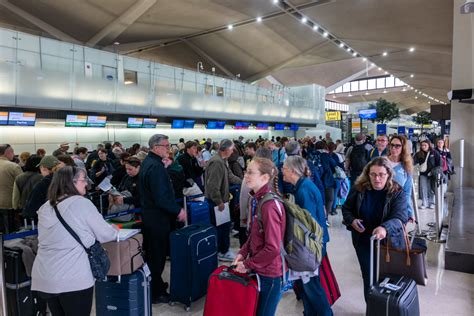
New Wave of Travel Bans: Who Is Affected and Why
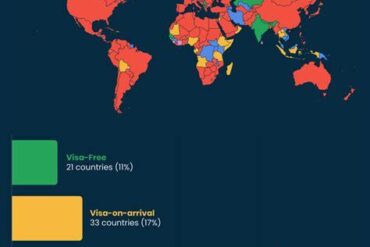
The leaked memo from the U.S. State Department reveals a potentially unprecedented move to include 36 countries under new visa and entry restrictions. The affected nations reportedly include:
- Antigua and Barbuda
- Burkina Faso
- Cabo Verde
- Cambodia
- Congo (Democratic Republic)
- Djibouti
- Dominica
- Angola, Benin, Bhutan, Cameroon, Côte d’Ivoire, Egypt, Ethiopia, Gabon, Gambia, Ghana, Kyrgyzstan, Liberia, Malawi, Mauritania, Niger, Nigeria, Saint Kitts and Nevis, Saint Lucia, Sao Tome and Principe, Senegal, South Sudan, Syria, Tanzania, Tonga, Tuvalu, Uganda, Vanuatu, Zambia, Zimbabwe
While the final list may still be subject to revisions, the implications are immediate and far-reaching. With more than 25 African nations included, concerns about equity, discrimination, and the economic fallout are escalating rapidly.
Rationale Behind the Ban: Benchmarks and Noncompliance
The State Department has established a 60-day window for these countries to meet specific performance standards. These include:
- Strengthening identity document verification systems
- Reducing rates of U.S. visa overstays
- Enhancing border control and anti-corruption measures
Failure to comply could lead to full or partial suspension of U.S. visas, affecting millions of travelers, students, business professionals, and families.
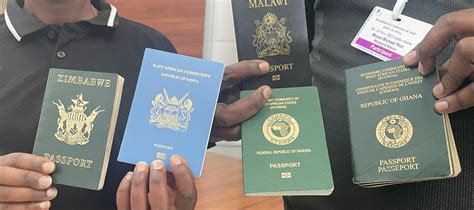
The speed and scale of these requirements have drawn criticism from analysts who argue that such reforms may require years to implement, not months.
Economic Fallout for Tourism-Dependent Nations
Many of the countries listed rely heavily on tourism, trade, and diaspora engagement for economic stability. Nations like Antigua and Barbuda, Dominica, and Cabo Verde face immediate risks of tourist decline, while countries such as Nigeria, Ghana, and Ethiopia stand to lose substantial business and academic traffic to the United States.
Travel experts forecast:
- Airline route cancellations or frequency reductions
- Sharp drops in visa applications and travel insurance sales
- Canceled educational exchanges and academic programs
- Withdrawals from U.S.-based trade shows and conferences

The U.S. tourism sector is not immune either. Agencies that organize safaris, cruises, or eco-tourism trips in affected countries are reeling, with itinerary suspensions already underway.
Political and Humanitarian Concerns on the Rise
Beyond the economic implications, the human cost is beginning to draw significant attention. Families separated, job opportunities rescinded, and academic dreams paused are just a few of the many disruptions.
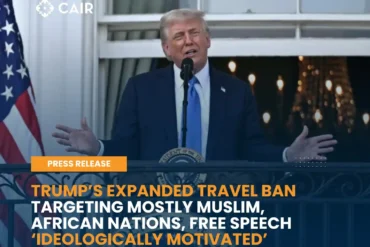
Human rights organizations are criticizing the ban as a strategic repackaging of the Trump-era “Muslim ban”, now cloaked under bureaucratic metrics instead of religious or regional designations. Critics argue the result is the same: systemic exclusion under the guise of national security.
Return of Hardline Immigration Policy Under Trump’s Second Term
The proposed travel ban extension signals a full-circle return to the restrictive immigration policies favored by the Trump administration. While President Biden previously repealed the original ban, the current administration under Trump’s second term appears determined to institutionalize stricter border controls.
Unlike previous iterations, this travel ban is couched in language of compliance and global standards—an attempt to neutralize accusations of discrimination. Yet immigration lawyers warn that the framework remains opaque and the enforcement timeline draconian.

Countdown Begins: What Happens After 60 Days?
Countries now have until 8 a.m. Wednesday, July 16, 2025, to submit action plans to avoid inclusion. U.S. embassies and consulates worldwide are already seeing a surge in inquiries. There is a tangible fear among affected nationals that visas will be denied, interviews canceled, or future entry barred.
Visa agencies, universities, and corporate HR departments are being advised to prepare for major disruptions beginning in August 2025, should these countries fail to meet expectations.
Industry-Wide Alert: Airlines, Education, Business Travel on Edge
This move affects virtually every segment of the travel chain. Airlines such as Ethiopian Airlines, EgyptAir, and Cabo Verde Airlines may face route cutbacks. American universities that rely on international students from countries like Ghana, Nigeria, or Cambodia are reassessing admissions policies.
Tour operators serving the Caribbean and Pacific Islands are evaluating financial risks. Tech companies and diplomatic delegations also fear reduced global mobility, impacting international summits, business conferences, and scientific collaborations.
Tourism Boards and Ministries Launch Emergency Measures
Several countries have already mobilized task forces to lobby U.S. authorities and reassure their citizens. Ministries of tourism are updating travel advisories, reassessing bilateral agreements, and launching crisis communication campaigns aimed at minimizing long-term reputational damage.
Ethiopia and Ghana, in particular, have reportedly reached out for bilateral talks, while others such as Cambodia and Bhutan are exploring legal avenues to contest their inclusion.
Broader Implications for Global Mobility
At its core, this proposed travel ban expansion threatens the entire architecture of international mobility. As more countries become subject to such restrictions, the principle of open borders under fair visa systems comes under strain.
Students may choose European or Asian universities over U.S. institutions. Tourists might pivot to more welcoming destinations. Corporations could relocate regional HQs based on talent movement restrictions.
This is no longer just a visa policy—it’s a tectonic shift in how the United States engages with the world. If the ban becomes reality, it could redefine travel planning, international relations, and even educational strategies for years to come.
Conclusion: A Redefining Moment for Global Travel
Whether you’re a frequent flyer, a tourism professional, a policymaker, or simply someone with global ties, this moment demands full attention. The era of predictable, routine travel may be ending. What replaces it could be more fragmented, politicized, and uncertain.
All eyes are now on Washington and the capitals of the 36 countries listed. The world is watching—and waiting—to see how this geopolitical chess move plays out in airports, embassies, and households across continents.
Stay alert, stay informed—and, above all, prepare for a new chapter in global travel.