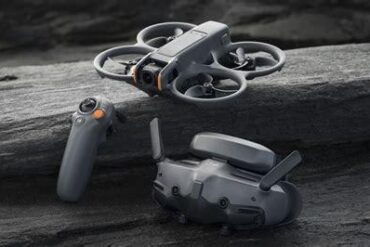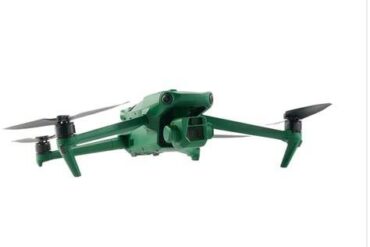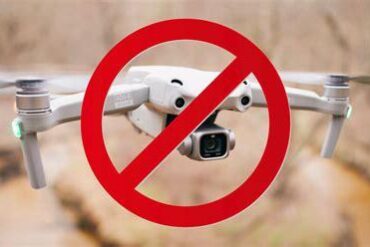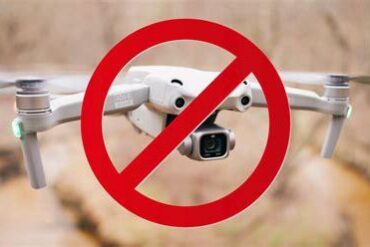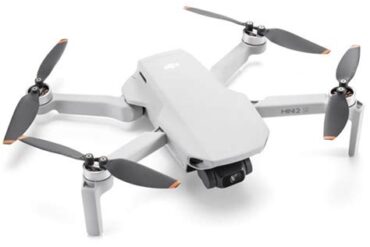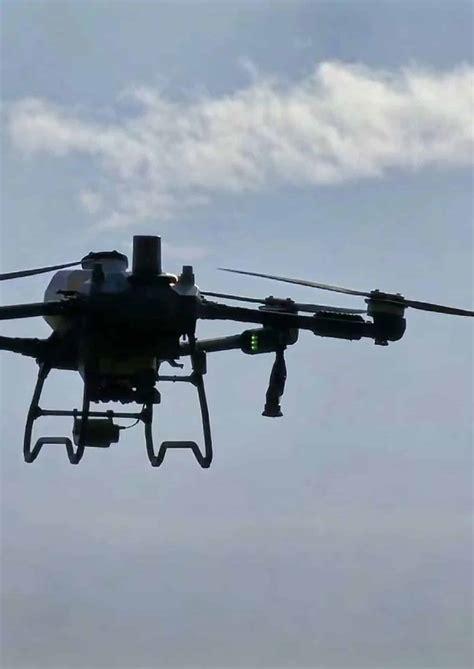
Imagine a wildfire tearing through a remote community — and the local search-and-rescue team is unable to deploy drones due to a ban. Or a missing child case in dense woodlands, where thermal-equipped drones could have cut hours off the search — now replaced by slower, less capable alternatives. These are not speculative dystopias. They are the very real consequences looming over thousands of Americans as Congress accelerates its push to potentially ban DJI drones, the backbone of U.S. drone infrastructure.
A Rushed Review That Threatens More Than Just a Company
Under the Fiscal Year 2025 National Defense Authorization Act (NDAA), all Chinese-manufactured drones — including those from DJI — must undergo a national security review by December 23, 2025. DJI has publicly welcomed a rigorous, evidence-based audit, emphasizing its compliance with industry-leading data privacy and cybersecurity protections. But in July 2025, a group of U.S. lawmakers demanded that the review be completed within 30 days — effectively abandoning the comprehensive process initially promised.
This abrupt acceleration has alarmed not only DJI, but also emergency responders, farmers, utility companies, and local governments who depend on DJI drones for operations vital to public safety and infrastructure.
According to DJI:
“A credible assessment must allow time for evidence to be reviewed… Reconsidering the proposed timeline is essential to enable a more thorough review.”
But with the clock ticking and no transparent audit in sight, DJI drones — already banned in some states — may soon be blocked nationwide.
How Public Safety Agencies Will Be Crippled
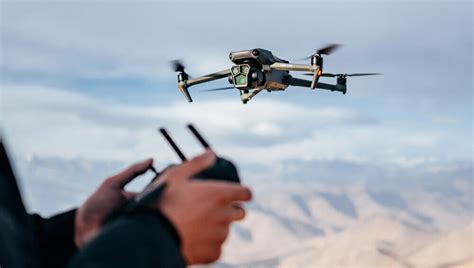
Across the United States, 80% to 95% of public safety drone programs rely on DJI platforms. These drones are crucial in life-and-death scenarios — from tracking fleeing suspects to spotting wildfire flare-ups.
In Missouri, proposed legislation threatens to ground 90% of public safety drones. In Florida, 95% of surveyed agencies said the DJI ban has directly harmed their drone capabilities.
Captain Kyle Nordfors from Utah’s Weber County Sheriff’s Office sums it up starkly:
“Being forced to use inferior American-made drones would inevitably lead to preventable tragedies.”
Without DJI’s robust aerial solutions, police, EMS, and fire crews lose real-time aerial visibility, undermining their ability to respond efficiently to emergencies.
The Massive Financial Fallout: A Taxpayer’s Nightmare
In Florida alone, grounding DJI drones is expected to cost $200 million in replacement expenses — sunk costs of equipment already purchased, now useless due to policy shifts.
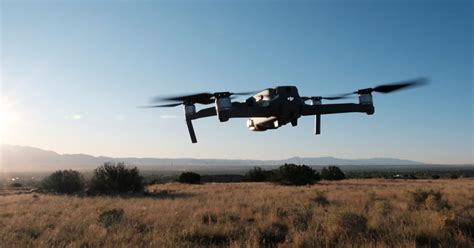
The Austin Police Department estimates they need $120,000 just to replace their DJI fleet. Smaller municipalities across Kansas, North Carolina, and Texas echo similar concerns: the alternatives are prohibitively expensive and less capable.
“Trying to acquire that expensive piece of equipment… it’s just expensive,” says Darrell Atteberry, Police Chief of Bel Aire, Kansas.
This is not just an economic problem — it’s a resource diversion crisis. Replacing DJI drones means diverting funds from other essential services like community policing, EMT services, and disaster preparedness.
Inferior Alternatives and Sluggish Supply Chains
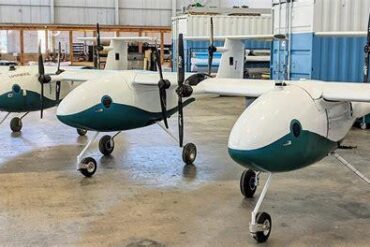
Support for American manufacturing is essential — but domestic drone suppliers are not ready to fill the vacuum DJI would leave behind.
Agencies in Texas and North Carolina report that U.S.-made drones cost 3 to 4 times more than their DJI counterparts. In many cases, price tags ballooned from $2,600 to over $15,000 per unit. Delivery times? As long as six months, leaving gaps in emergency readiness.
And performance? Worse.
Florida has already seen the downside. Since adopting state-approved U.S. drones, the Orlando Police Department has recorded five failures in just 18 months — while DJI models experienced none.
“That’s going to put us in danger, our officers in danger, and the public in danger,” warned Sgt. David Cruz.
Farmers and Small Businesses on the Brink
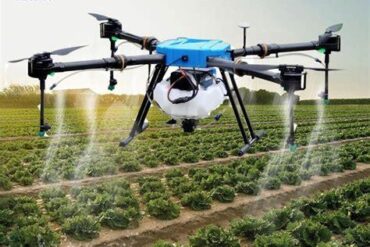
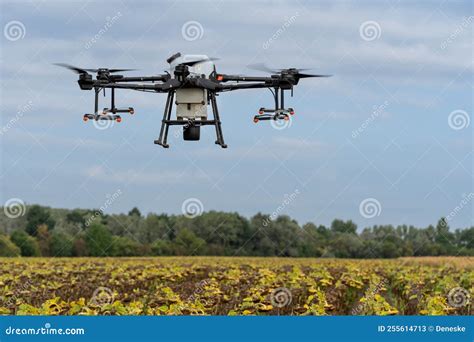
DJI drones aren’t just critical for government use. In the private sector, they’re essential tools in precision agriculture, construction, infrastructure inspection, and energy grid management.
According to a recent survey, two out of three businesses that rely on DJI drones say a ban would force them to shut down.
“The U.S. drones are not as good as the DJI ones but cost twice as much,” laments Russell Hedrick, a farmer in New Jersey.
Agricultural drones offer real-time crop monitoring that helps optimize irrigation, reduce pesticide use, and improve yields. Without DJI drones, farmers lose access to vital data — and may face plummeting productivity.
Utility inspectors and civil engineers also stand to lose. DJI’s flight reliability, payload versatility, and software integration make them irreplaceable tools for surveying bridges, pipelines, and power lines.
Local Agencies are Sounding the Alarm
Officials from Florida, Missouri, Utah, Kansas, Texas, and North Carolina have already raised concerns about the fallout from state-level bans.
A Tampa Bay Times editorial criticized Florida’s decision to ground its DJI drones as “grounding $200 million worth of perfectly good police drones.”
“You’re not only affecting police and fire,” said a New Jersey UAS detective. “You’re affecting a lot of other industries out there — utilities, construction, agriculture.”
The economic ripple effect is already being felt, and a national ban would only magnify the disruption.
The Broader Economic Impact: $116 Billion and 450,000 Jobs at Stake
The U.S. drone economy is not just about hardware. It includes software developers, service providers, resellers, training schools, data analysts, and more.
DJI drones are the centerpiece of this ecosystem. Their global availability, advanced SDKs, and high reliability have created a platform upon which hundreds of thousands of American jobs depend.
“These products generate more than $116 billion in economic activity across the country and support over 450,000 American jobs,” DJI said in a statement.
Banning DJI would therefore do more than ground drones — it could destabilize an entire innovation economy, stifle job growth, and create a vacuum that domestic manufacturers may not be able to fill for years.
DJI’s Stance: Support a Review, Not a Rush
DJI has emphasized its willingness to cooperate fully with U.S. regulators. It supports the original NDAA timeline, allowing a full review by December 2025. What it opposes — and what experts warn against — is the shortcut now being proposed.
“Without a credible process, we risk grounding not just drones, but innovation, safety, and American livelihoods.”
The audit, if done hastily, could permanently bar DJI products from entering the U.S. — not because of evidence, but because due process was abandoned.
Conclusion: A National Security Decision with National Consequences
If Congress rushes the DJI review, the damage will be swift and widespread:
- First responders will lose their aerial support in critical operations.
- Taxpayers will shoulder the cost of replacing fleets.
- Farmers and small businesses will face existential threats.
- Public safety could decline due to inferior equipment.
- Economic ripple effects will destabilize a booming tech sector.
A thoughtful, evidence-based security review is in everyone’s interest. But rushing this process risks not only national overreach, but local chaos.
Before grounding DJI drones, the U.S. must consider the real-world impact — because at stake are not just machines, but the people and institutions that depend on them every day.