In the ever-evolving landscape of consumer and prosumer drones, the name DJI has long reigned supreme. With its blend of cutting-edge stabilization technology, automated flight systems, and competitive pricing, DJI redefined what aerial imaging could look like for hobbyists and professionals alike. However, recent years have seen an increasingly turbulent political and regulatory environment in the United States, creating a precarious rift between supply and demand, particularly for DJI products. As import restrictions tighten and American drone options lag in innovation, users find themselves in an ecosystem throttled by policy-induced scarcity.
DJI: Still Technologically Unmatched in the Consumer Space
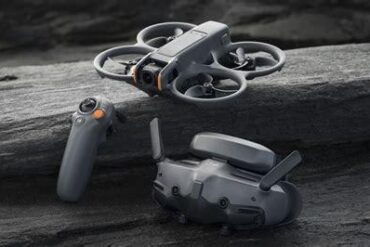
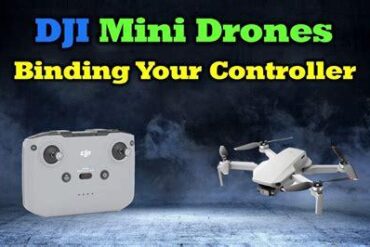
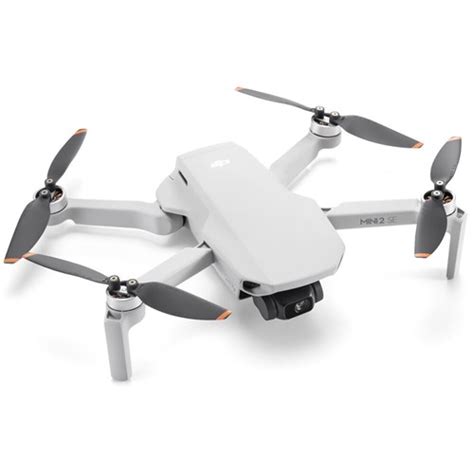
It is no exaggeration to say that no consumer drone manufacturer today rivals DJI in the domain of features per dollar. Whether it’s the Mini 2, Air 3, or Mavic series, DJI drones offer industry-leading gimbals, software intelligence, obstacle avoidance, and flight time for a fraction of what competitors charge for comparable—if often inferior—performance. This dominance stems from years of focused R&D, deep supply chain integration, and scale advantages.
Photographers and videographers across the globe have consistently turned to DJI because of how intuitive the user experience is. Smart Return-to-Home, pre-programmed cinematic modes, and robust connectivity make DJI drones especially attractive for creators who want results without needing to engineer a flight mission.
The Political Crosswinds: Tariffs, Bans, and Customs Clamps
The largest disruption in DJI’s U.S. market presence isn’t a matter of consumer choice—it’s a matter of policy. Over the past several years, U.S. regulatory action has strangled the availability of DJI products. Initially impacted by Section 889 of the National Defense Authorization Act (NDAA), the situation escalated with customs holds and soaring tariffs on Chinese-made electronics, specifically drones.
Tariffs on Chinese imports, in some cases exceeding 145%, have made it nearly impossible for DJI to compete on U.S. shelves. Although there is ongoing political negotiation—notably between the Biden administration and Chinese officials—to recalibrate these tariffs, DJI shipments are still routinely blocked by U.S. Customs. The net result? New DJI drones are often unavailable, and when they do make it into the U.S., prices are inflated by scarcity.
Second-Hand DJI Market Surging in Value
This throttled pipeline has turned the second-hand market for DJI drones into a paradoxical premium segment. Models like the Mini 2 or Mavic Air 2, which were once considered entry-level, now fetch high resale values due to their unobstructed feature set and unavailability in retail channels.
Users looking for DJI quality without facing customs purgatory or hyper-inflated tariffs often have no choice but to seek lightly used models through domestic sellers. While this may offer a temporary workaround, the pool of such drones is shrinking fast. As units wear out or become outdated, the risk of being left without a viable alternative grows.
American Drones: An Industry That Isn’t Ready Yet
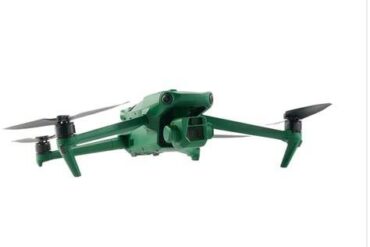
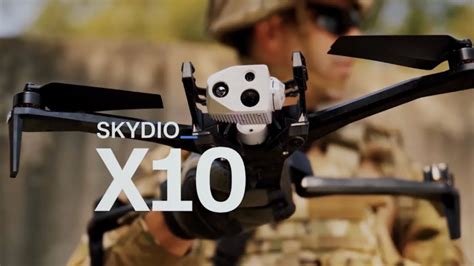
On the domestic front, American drone manufacturers have struggled to fill the void. Skydio, once hailed as a promising DJI competitor, has exited the consumer space entirely to focus on enterprise-level systems like the X10E, which commands a high price tag and offers functionality geared more toward infrastructure inspection and defense contracts than casual use.
Yuneec and other legacy players have either pivoted or faded into irrelevance. Today, there is no major American consumer drone that can rival DJI’s portfolio in price, features, or availability. What remains are commercial-grade solutions that are financially and functionally out of reach for the average user.
FPV and Niche Brands: Partial Solutions for a Fragmented Market
Some drone users, particularly those in the FPV (First-Person View) and cinematic production communities, have found refuge in boutique drone brands like GEPRC, iFlight, and EMAX. The GEPRC Cinelog series, for instance, offers excellent maneuverability and modularity for around $400 to $600, although they require pairing with an action camera like a GoPro to match DJI’s imaging quality.
However, these solutions are inherently niche. FPV drones are not ideal for casual users due to their steep learning curve, manual flight control, and lack of user-friendly automation. They excel in dynamic shooting scenarios, but fall short when it comes to general-purpose aerial photography.
Anzu Robotics: American Yet Controversial
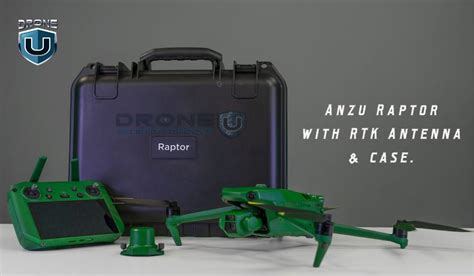
An interesting wildcard in this space is Anzu Robotics, a brand offering drones that are assembled in the U.S. but license core technologies from DJI. While this arrangement gives Anzu a temporary foothold in the American market, it is under regulatory scrutiny, with several proposed bills threatening to cut off such licensing arrangements. This uncertainty casts a long shadow over their long-term viability.
Critics argue that relying on DJI’s firmware and telemetry systems, even under a different brand name, undermines the national security argument that drove the original bans. Until these legal gray areas are clarified, Anzu’s future remains speculative.
What This Means for American Consumers
The current drone landscape in the U.S. has become a high-friction market for consumers, particularly those seeking a plug-and-play device with reliable aerial performance. The typical American drone buyer faces a three-way conundrum:
- Buy a pre-owned DJI drone and risk issues with support or replacement parts.
- Pay a premium for an inferior American product with fewer features.
- Import alternatives through unofficial channels and risk customs seizures or software limitations.
In effect, the consumer drone segment is regressing. The barriers to entry are increasing, not just in terms of cost but also in terms of regulatory compliance and logistics.
The Road Ahead: A Future of Enterprise or Fragmentation
If trends continue, a bifurcation in drone use seems inevitable. On one side, enterprise clients with the budget to acquire X10E-level hardware and navigate export controls will sustain the high-end market. On the other, hobbyists and creators may be forced into the used market, DIY FPV builds, or simply opt out due to cost and complexity.
We are witnessing a rare moment where technological capability is not the limiting factor—accessibility and regulation are. For serious users, particularly in cinematography or surveying, the path forward may include certifications, licensing, and fleet management software akin to that required in enterprise aviation.
Final Thoughts: Innovation Stalled by Policy, Not Engineering
As it stands, the American drone market is no longer a battleground of technical superiority, but one of policy, tariffs, and geopolitical chess. DJI remains the benchmark, even as the gates to its products close tighter. No domestic brand has yet seized the opportunity to rise in its place, and what options do exist are fragmented, overpriced, or untested in real-world reliability.
Unless regulatory reforms or competitive innovations emerge, American drone enthusiasts are left with dwindling options, rising prices, and a deepening reliance on used gear. Until then, DJI remains not just a gold standard—but an increasingly inaccessible one.