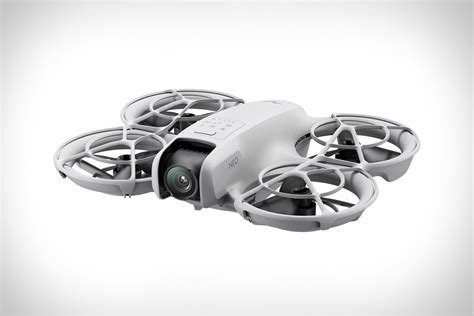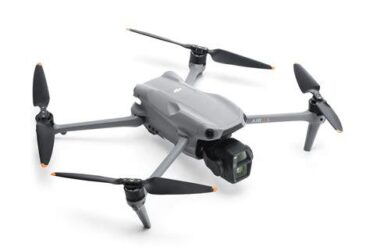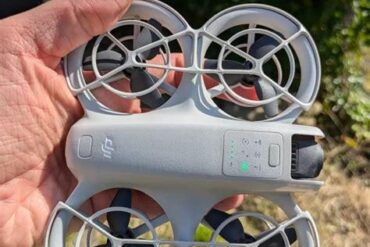
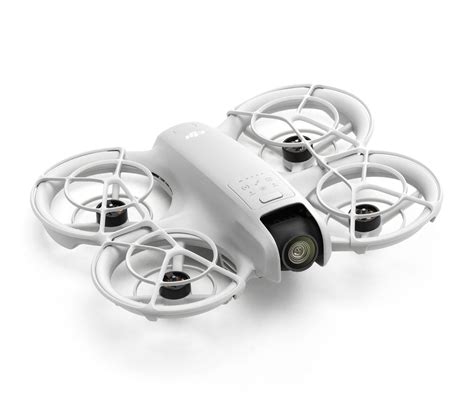
DJI’s latest budget release, the DJI Neo, arrives with bold ambitions—and equally bold compromises. At just $199, this compact aircraft isn’t merely an entry-level drone. It’s a modular innovation platform that can operate in six distinct flight configurations, outclassing every competitor in its price range. Yet despite its groundbreaking adaptability and market-shattering price, the Neo is equipped with a camera so underwhelming, it raises serious questions about DJI’s creative direction at the low end of its product spectrum.
We took a deep dive into its capabilities and limitations, and found that while the DJI Neo carves out an entirely new category of drone, it also reintroduces some of DJI’s most disappointing imaging hardware in years.
An Unbeatable Price: DJI Targets the Toy Market—and Destroys It
At $199 for the drone alone, the DJI Neo undercuts virtually every viable camera drone on the market. By contrast, DJI’s own Mini 4K—often the go-to budget model—retails at $299, with no controller included. Even hobbyist favorites from other manufacturers like the Holy Stone HS720E or Potensic ATOM SE struggle to compete with the Neo’s value proposition, especially when considering the Neo’s firmware support and accessory compatibility.
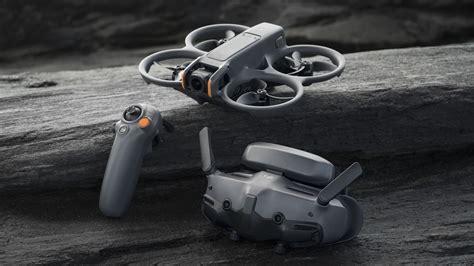
The Neo isn’t just cheap—it’s strategically inexpensive. It fills a niche for those looking for a low-cost alternative that still plays well with DJI’s broader ecosystem of accessories and controllers, including:
- RC-N2 / RC-N3 (for GPS camera drone use)
- RC-2 with built-in screen (a rare feature at this price level)
- Motion 3 and FPV Remote 3 (for immersive control)
- DJI Goggles 3 (for FPV-style flights)
Unrivaled Flexibility: Six Ways to Fly, One Tiny Drone
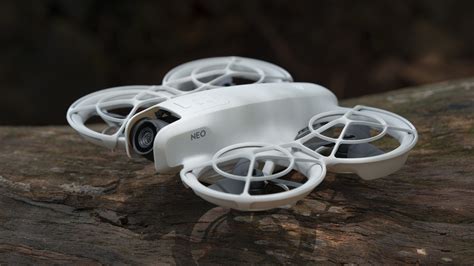
What truly makes the DJI Neo exceptional isn’t its price—it’s modular versatility. No other drone in DJI’s lineup, or any competitor’s for that matter, allows this level of multi-modal operation:
- Button-Only QuickShots: Fly and capture basic cinematic shots with just the drone itself.
- Smartphone Control: Connect directly for standard app-based piloting.
- GPS Camera Drone Mode (RC-N2/N3): Traditional stick control with full app telemetry.
- RC-2 Screen Control: Fly without a smartphone using the RC-2 controller’s built-in screen.
- FPV Mode (Goggles 3 + Motion 3): A budget-friendly entry to immersive FPV flying.
- Manual FPV Mode: Limited manual flips and dives with automatic safety reversion to GPS.
This unmatched versatility positions the Neo as a Swiss Army drone—able to shapeshift into whatever form best suits the moment, whether that’s capturing a solo selfie in harsh weather or cruising a tight interior corridor.
A Creative Bottleneck: The Neo’s Dismal Camera Performance
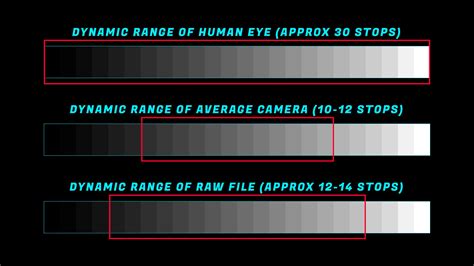
And here lies the Neo’s most painful tradeoff. For all its flight innovation, its camera is a major regression—not just by today’s standards, but even by DJI’s own past benchmarks. The sensor lacks any form of D-Log or 10-bit color, pushing muddy 8-bit footage with highly compressed 75 Mbps bitrates, making the Neo’s video output frustratingly brittle for post-production work.
Compression artifacts such as macro-blocking, coupled with over-sharpened edges and heavily desaturated colors, ruin what could otherwise be passable footage. Low-light scenarios are an outright disaster, plagued by excessive noise and frame skipping.
For reference, the now-obsolete DJI Spark from 2017 and even the original Mavic Pro surpass the Neo in imaging fidelity—despite being nearly a decade older in sensor technology. It’s a jarring contrast that makes the Neo unsuitable for any content creator hoping to monetize social media or YouTube.
Lack of Remote ID: A Legal Disqualification for Part 107 Users
Perhaps more damning than its image quality is the Neo’s lack of a Remote ID transponder, which is now mandated by the FAA for all drones used commercially under Part 107. This omission renders the Neo ineligible for legal monetized flights in the United States unless retrofitted with a third-party Remote ID module.
This limitation disqualifies the Neo from being used in scenarios such as:
- Commercial photography or video shoots
- Real estate and construction documentation
- Paid YouTube or TikTok drone content
It’s a perplexing oversight, given that DJI has otherwise taken care to integrate Remote ID in even its smallest drones like the Mini 4 Pro.
A Secondary Drone with Niche Appeal
For seasoned DJI users, however, the Neo may still find a place in the backpack. Its extremely compact form, lightweight design, and ecosystem integration make it a compelling companion drone. As a supplement to larger setups like the Avata 2 or Mini 4 Pro, it performs well in specific scenarios:
- Quick travel vlogs where portability outweighs image quality
- Indoor flights during inclement weather
- Short-range FPV simulation without needing full Avata kits
It may not replace your main camera drone, but it offers a unique experience with minimum friction.
Cinematic FPV with Guardrails: Manual Mode Limitations
While the DJI Neo includes a form of manual FPV mode, it’s more of a half-measure than a full unlock. Yes, you can execute cinematic banking turns and controlled dives—but the moment you attempt a flip, roll, or aggressive maneuver, the drone automatically reverts to standard GPS stabilization.
This design is clearly safety-conscious, but it fundamentally undercuts the promise of full manual control. It’s best viewed as a gateway drug to real FPV, rather than a true replacement for dedicated cinewhoop rigs or racing drones.
This restriction may frustrate advanced pilots, but for newcomers exploring FPV concepts with goggles for the first time, it’s an ideal stepping stone. The Goggles 3 + Motion 3 pairing works especially well for immersive, controlled learning.
Conclusion: A Revolutionary Toy or a Misguided Experiment?
The DJI Neo stands as a paradox. On one hand, it is the most flexible drone ever created in this price category—possibly in any category when it comes to flight configuration. On the other hand, it brings with it the worst DJI camera implementation in years, rendering it nearly useless for creators, professionals, or even discerning hobbyists.
At $199, the Neo’s value proposition is undeniable. It’s a phenomenal beginner’s drone, a fun FPV simulator, and a solid indoor flyer. But it’s not a camera drone in the conventional sense. If you care about visual quality, this is not the drone for you. If you care about flight flexibility, versatility, and experimental joy, it might be one of the most exciting sub-$200 gadgets ever released.
It is neither a step forward nor a step back. It is a side-step—a bold experiment in form, control, and accessibility. And perhaps that’s exactly what DJI meant it to be.