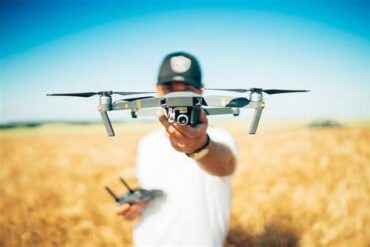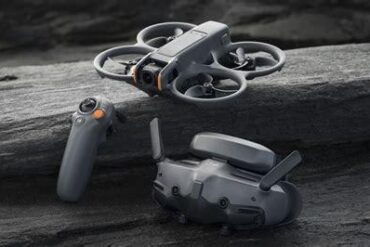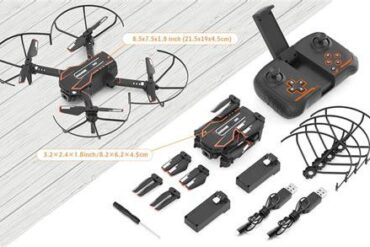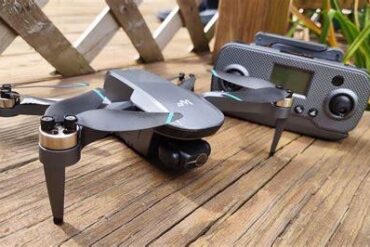
The Lanus Triple Camera 8K Drone burst onto the scene in mid-2024 with bold promises, splashy marketing, and seemingly incredible specifications — an 8K resolution triple-lens drone with 60-minute battery life and obstacle avoidance, priced under $70. It sounded like the bargain of the decade. But the reality behind this too-good-to-be-true drone is far more disturbing. After an extensive investigation, the truth points to a calculated international scam, blending digital deception, counterfeit tech, and shell websites that prey on unsuspecting consumers.
The Rise of a Deceptive Marketing Blitz
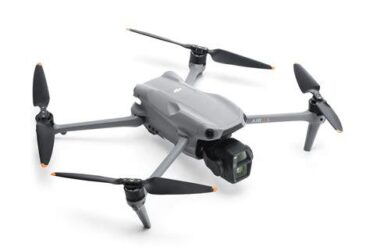
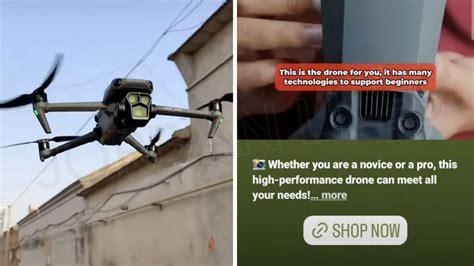
The scam’s foundation was a series of high-production video ads disseminated across Meta-owned platforms, especially Facebook and Instagram. These ads portrayed a sleek, high-end drone that was visually identical to the DJI Mavic Pro 3, an industry leader retailing for thousands of dollars. Embedded in these ads were claims like:
- “8K triple camera with capture every moment of your life.”
- “Excellent battery life. 60 minutes per battery.”
- “Whether you are a novice or a pro, this high-performance drone can meet all of your needs.”
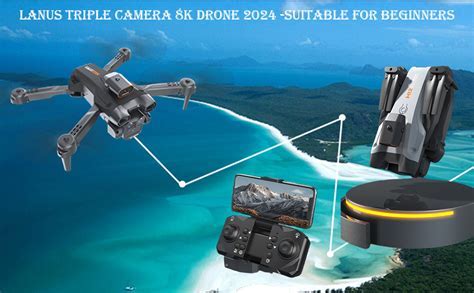
The language was persuasive, albeit poorly written, and aimed directly at consumers unfamiliar with drone tech. To add credibility, the ad even claimed a five-year warranty and “no need to repair, just replace” return policy. Buyers were funneled through websites like fly-cam.lanusa.us and fly-cam.aquatus.store, which listed the drone at an apparent discounted price of $69.99, slashed from $179.99.
But here’s where the deception intensifies. The clickable links in these ads never matched the visible URL. The visible URL suggested legitimacy by using “lanusa.us”, but the actual redirect took users to a completely different domain, aquatus.store, raising the first red flag about the operation’s integrity.
What Buyers Actually Received: The $15 Knockoff
Upon receiving their orders, buyers were appalled to discover that the device shipped to them bore little resemblance to the drone advertised. The sleek, metallic DJI-lookalike had vanished, replaced by a cheap, plastic drone barely worth $15 on AliExpress. This drone is widely circulated online under names like:
- H12 Mini Drone
- 8K Professional Three Camera Wide Angle RC UAV
- Obstacle Avoidance Quadcopter
This budget drone, commonly found for under $20 on wholesale marketplaces such as AliExpress, Alibaba, and Temu, lacks any real 8K camera, GPS stabilization, or the high-end features promised in the advertisements. The so-called “triple camera” is often just three plastic holes, with only one low-res camera functioning — and poorly at that.
Moreover, buyers reported:
- Non-functional obstacle avoidance sensors
- Abysmal battery life, often under 10 minutes
- No FlyCam app support
- Flimsy construction and missing parts
The Bait-and-Switch Mechanics: How the Scam Works
This scam, like many others, is built on the tried-and-tested bait-and-switch model. By leveraging video content featuring actual high-end drones, scammers plant the seed of expectation. Then, they capitalize on psychological factors — urgency, exclusivity, discounting — to push the buyer into impulse purchasing.
They also mimic common e-commerce tropes like free shipping, limited-time offers, and customer testimonials (often fake or stolen from other sites). But the goal is not customer satisfaction; it’s quick conversion and fast exit before chargebacks or legal action catches up.
Adding to the illusion, the scammers use vague and impressive-sounding copy such as:
“Next-level imaging performance with a triple-camera system that ushers in a new era of aerial photography.”
In reality, the drone offers no such performance. The video footage is grainy, shaky, and barely usable. The FlyCam app mentioned in ads either doesn’t exist or is a generic app that doesn’t support the model received.
Tracing the Digital Footprints of the Scammers
While many online fraudsters remain hidden behind layers of proxies and domain privacy masks, there were some breadcrumbs in this case. A WHOIS lookup on lanusa.us revealed that the domain was registered via Namecheap, with the registrant’s location listed as Hanoi, Vietnam. Digging deeper into the whois.us records exposed additional details:
- Registrant Name: Thu Phuong Nguyen
- Email Contact: [email protected]
- Company Listed on Website: Longyan Liangye Mingfeng Trading Co., Ltd. (China-based)
- Managing Director: Pham Thi Phuong Anh
While it’s uncertain whether these identities are authentic or fabricated, they suggest an international scam operation possibly involving multiple jurisdictions, including Vietnam and China.
The use of multiple domain names, fast redirects, and international registration is common among scam networks to avoid detection and evade responsibility. These operators often switch domains weekly, abandon previous ones, and cycle through payment processors to avoid chargebacks and fraud alerts.
Not the First Time: A Pattern of Drone Fraud
The Lanus Drone Scam isn’t an isolated incident — it follows a blueprint replicated over and over in recent years. Consumers have fallen prey to a slew of nearly identical cons, including:
- Stealth Bird 4K Drone
- Blackbird 4K Drone
- QuadAir Drone
- Black Falcon Pro Drone
These fake drones are often paired with false endorsements, including claims that the devices were “developed by the U.S. military” or “used by NATO forces,” even though no evidence supports such assertions. Some campaigns also promoted tactical flashlights, backpacks, and military-grade gear that turned out to be dollar-store products with inflated prices.
What makes the Lanus case especially egregious is the visual hijacking of DJI’s branding, including doctored images that retained the DJI logo, creating a dangerously convincing illusion of legitimacy.
Final Thoughts: Buyer Vigilance in the Age of Deep Deception
The Lanus Triple Camera 8K Drone case underscores a vital point in modern e-commerce: visual persuasion is a powerful weapon in the hands of scammers. The stunning product shots, alluring copy, and faked guarantees combine into a trap that many fall into.
So, what can consumers do to protect themselves?
- Always reverse image search drone photos or videos.
- Check verified reviews on platforms like Amazon, but beware of fake ones.
- Search the domain name through WHOIS to uncover red flags.
- Look for typos or awkward language — a common marker of rushed scams.
- Avoid purchases via social media ads offering massive discounts on tech.
In the end, if a drone with high-end features like 8K recording, multiple cameras, and obstacle avoidance is priced below $100, treat it as a scam until proven otherwise.
The Bottom Line
The Lanus Triple Camera 8K Drone wasn’t just an overhyped product — it was a sophisticated con designed to part consumers from their money using deception, mimicry, and marketing smoke screens. The drone promised the future but delivered a toy. As tech scams continue to evolve, so must our skepticism and due diligence. Online safety today demands not just awareness, but active investigation.