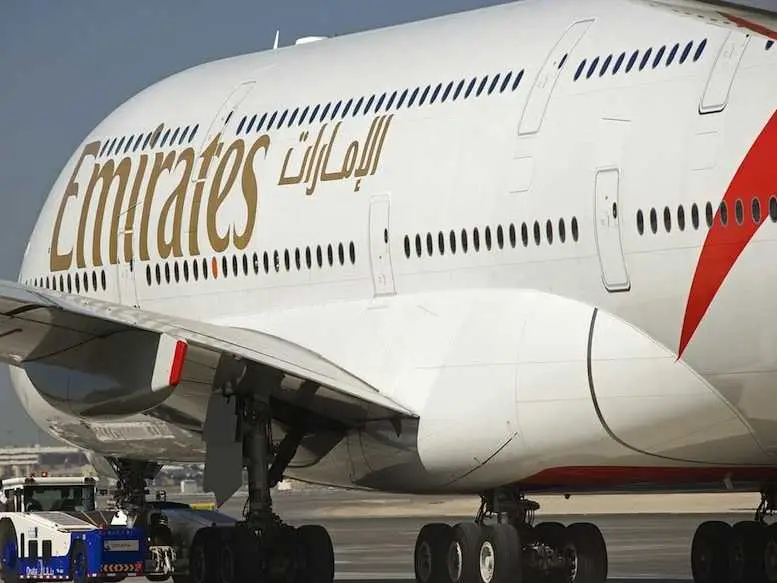
For over a century, aviation technology has been a relentless pursuit of efficiency, scale, and ingenuity. From the modest beginnings of single-deck aircraft to the architectural marvels of the Boeing 747 and Airbus A380, the industry has consistently sought to redefine what is possible in commercial flight. Now, as the conversation shifts toward radical innovation, the concept of the triple decker plane looms large—ambitious, alluring, and deeply controversial.
A triple-deck aircraft, if realized, would not only be the largest passenger plane ever built but also a revolutionary leap in terms of design philosophy, aerodynamics, and airline logistics. The very idea stretches the limits of engineering and challenges the economic realities of modern aviation.
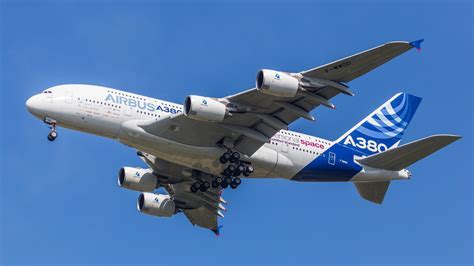
The Legacy of Giants: Boeing 747 and Airbus A380
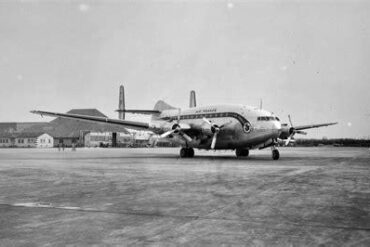
To comprehend the potential future of a triple-decker plane, we must first appreciate the double-deck predecessors that paved the way. The Boeing 747, dubbed the “Queen of the Skies,” debuted in 1970 and featured a partial upper deck that, depending on configuration, housed lounges, first-class cabins, or additional seating. It democratized long-haul international travel, offering both volume and luxury at scale.
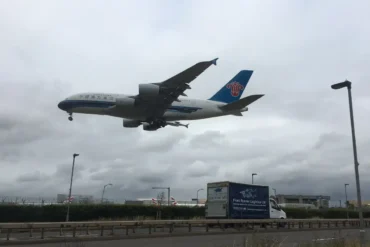
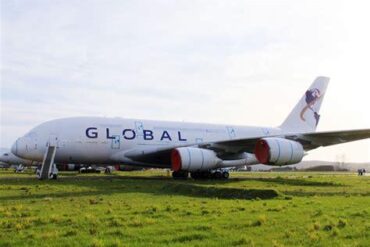
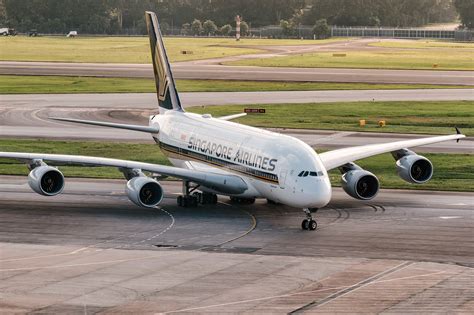
Then came the Airbus A380, the only full-length double-decker aircraft to enter commercial service. Capable of carrying more than 800 passengers in an all-economy setup, the A380 was both a technological marvel and a logistical challenge. While it offered unmatched comfort and capacity, it required custom airport infrastructure, longer taxiways, and specialized maintenance, which ultimately led to its early retirement by most airlines due to operational inflexibility and high costs.
What Could a Triple-Decker Aircraft Look Like?
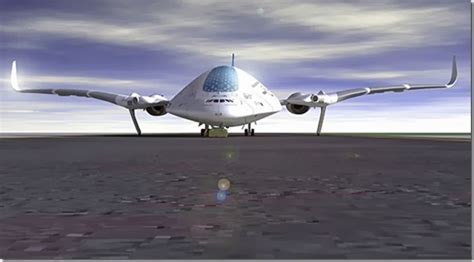
Concept designs like the Sky Whale have imagined a future where triple-deck aircraft rule the skies. These planes could potentially carry over 1,000 passengers in various configurations—ranging from economy cabins to luxury suites, restaurants, fitness centers, and even virtual reality lounges.
In theory, each deck could serve a distinct class or function:
-
Top Deck: Business and first-class cabins with lounge and rest areas
-
Middle Deck: Premium economy and standard economy
-
Lower Deck: High-density seating or recreational/utility space
Such a structure would enable airlines to segregate passenger experiences, creating a layered onboard ecosystem. This opens doors not only to mass transport but also unparalleled in-flight services.
Engineering and Aerodynamic Constraints
But ambition must face physics and economics. Adding a third passenger deck would drastically affect the aircraft’s weight distribution, center of gravity, and aerodynamic profile. The fuselage would require not only increased diameter and reinforcement but also more powerful engines and lift-optimizing wing structures.
Every new level adds structural weight, increasing fuel consumption. A wider and taller fuselage would generate more drag, making it harder to achieve fuel efficiency standards demanded by today’s sustainability-driven aviation industry.
Moreover, such a plane would need to use composite materials extensively to minimize weight. Integration of ultra-high-bypass turbofan engines might mitigate some of the fuel challenges, but the energy demands remain formidable.
Airport Infrastructure Limitations
When the Airbus A380 launched, only a limited number of global airports could accommodate it. These airports required dual-level jet bridges, widened taxiways, and specialized tarmac reinforcement. Now imagine a plane even larger.
A triple-deck aircraft would likely demand:
-
Extended runway lengths for takeoff and landing
-
Reinforced taxiways to support increased axle weight
-
Multi-level boarding gates
-
Enhanced emergency evacuation protocols
These requirements limit the aircraft’s operational flexibility, making it viable only on select international routes between mega-hub airports.
Passenger Experience and Safety
From a passenger standpoint, the experience aboard a triple-decker could be either a marvel or a mess. While luxurious upper decks might offer unparalleled amenities, the lower decks could feel claustrophobic. Ensuring equal cabin pressure, proper lighting, and efficient air circulation across three stacked decks would be engineering feats in themselves.
Safety is another major concern. International aviation regulators like the FAA and EASA enforce strict rules around evacuation times. A triple-deck aircraft must evacuate all passengers within 90 seconds, even if only half the emergency exits are functional. Designing staircases, emergency slides, and access points to meet this requirement would be immensely complex.
Profitability: The Make-or-Break Factor
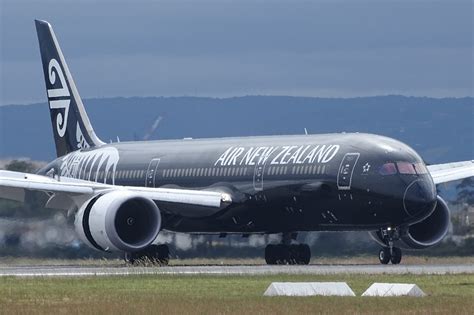
The Airbus A380, despite its appeal, was retired early by many airlines due to inflexible routes and poor seat-fill ratios. Airlines today prefer smaller, fuel-efficient widebodies like the Boeing 787 Dreamliner or Airbus A350 that can operate point-to-point flights without relying on congested hub airports.
To break even, a triple-deck plane would need to fly consistently at near-full capacity—something few routes can guarantee. And even on the densest air corridors, the variability of passenger demand makes such consistency rare.
Environmental Sustainability
With carbon emissions and sustainability becoming central to aviation policy, large aircraft are under increasing scrutiny. The aviation industry is investing in hydrogen propulsion, electric aircraft, and sustainable aviation fuels (SAFs)—technologies not easily scalable to a triple-decker’s dimensions and weight.
Unless such a plane can dramatically reduce emissions per seat-kilometer, it risks becoming obsolete before it even enters commercial service.
Could Triple-Deckers Serve a Niche Market?
Despite the challenges, there might be room for such colossal aircraft in specialized sectors:
-
Military and Humanitarian Logistics: Moving thousands of personnel or large volumes of aid across continents.
-
Cargo Transport: Triple-decker designs could be adapted into freighters capable of carrying high-density goods.
-
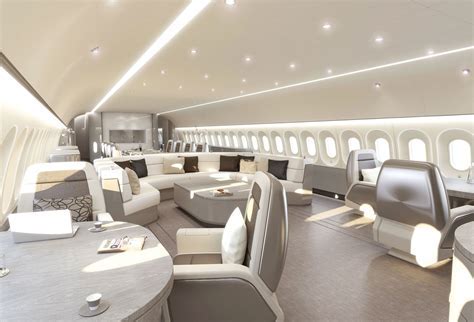
Ultra-Luxury Sky Cruises: Tailored experiences for affluent travelers willing to pay a premium for multi-day flights with onboard entertainment, spas, and private suites.
In these niches, the focus shifts from economy to capacity and exclusivity, making the concept more tenable.
The Industry’s Direction: Efficiency Over Size
The dominant trend in aviation today is clear: optimization, not expansion. Aircraft manufacturers are developing planes that offer better fuel efficiency, longer range, and reduced operating costs rather than maximum seating. The rise of urban air mobility (UAM), supersonic jets, and autonomous aircraft further shows that the future of flight may lie in diversification rather than supersizing.
While triple-deckers could serve symbolic or niche roles, the current trajectory of aviation renders their widespread adoption unlikely.
Conclusion
The triple-decker plane represents the zenith of imagination in commercial aviation. It is a dream that captivates the mind—offering visions of sky-high cities and mass intercontinental travel on a single aircraft. Yet, that dream is encumbered by formidable engineering limitations, infrastructure challenges, economic impracticalities, and sustainability concerns.
For now, the skies will continue to be ruled by efficient, flexible, and sustainable aircraft that fit the evolving demands of airlines and passengers alike. However, as aerospace technology progresses and passenger expectations evolve, we must never discount the possibility that one day, the sky will rise again—this time, three decks high.
FAQ
Could a triple-decker plane ever be built with current technology?
While some aspects of a triple-decker aircraft could theoretically be achieved with modern composites and engine power, current technology still struggles with the massive weight and aerodynamic inefficiencies such a plane would create. It would require major advances in materials science, propulsion, and fuel systems.
Why was the Airbus A380 discontinued if it was successful in design?
Despite its engineering success and passenger comfort, the A380 was economically inefficient. Airlines struggled to fill all the seats, and its size limited it to a small number of airports. Operational costs and maintenance demands outweighed the benefits on most routes.
What would it take to make a triple-deck aircraft viable for airlines?
To be viable, a triple-decker aircraft would need breakthroughs in fuel efficiency, aerodynamics, and lightweight materials. Additionally, global airport infrastructure would have to adapt, and airline business models would need to ensure consistently high passenger loads.