The Airbus A380 once ruled the skies over the United Kingdom like a flying cathedral—massive, unmistakable, and symbolic of peak long-haul ambition. When Singapore Airlines touched down at London Heathrow in March 2008 with the first passenger-carrying superjumbo, the UK instantly became one of the aircraft’s most important global stages. Nearly two decades later, that relationship has thinned dramatically.
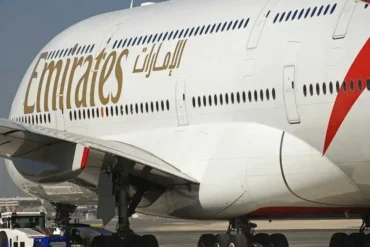
In 2026, the UK still ranks second worldwide for A380 departures, but the picture is deceptive. Emirates alone accounts for the overwhelming majority, operating far more double-deckers than British Airways and dwarfing all other carriers combined. Behind that headline figure lies a quieter truth: several airlines that once relied heavily on the A380 have now completely vanished from UK skies with the type. Their exits reveal how fleet strategy, economics, and changing demand finally caught up with aviation’s most ambitious airliner.
The UK’s Changing A380 Landscape
For years, Heathrow’s slot pressure made the A380 a logical solution. Fewer movements, more seats, and a prestige factor airlines could market aggressively. Etihad Airways, Qatar Airways, Singapore Airlines, and Qantas still deploy the superjumbo selectively, but their presence is cautious and targeted.
What stands out today is not who remains, but who has left. Seven airlines have either permanently retired the A380 or abandoned UK operations with it entirely. Some exits were abrupt, others slow and inevitable, but all reflect a broader industry shift toward smaller, more flexible widebodies like the A350-900 and Boeing 787.
Airlines That No Longer Operate A380 Flights to the UK
These carriers once brought the double-decker to British airports through scheduled services, training flights, or short-term charters. Their collective withdrawal marks a decisive retreat from the superjumbo era.
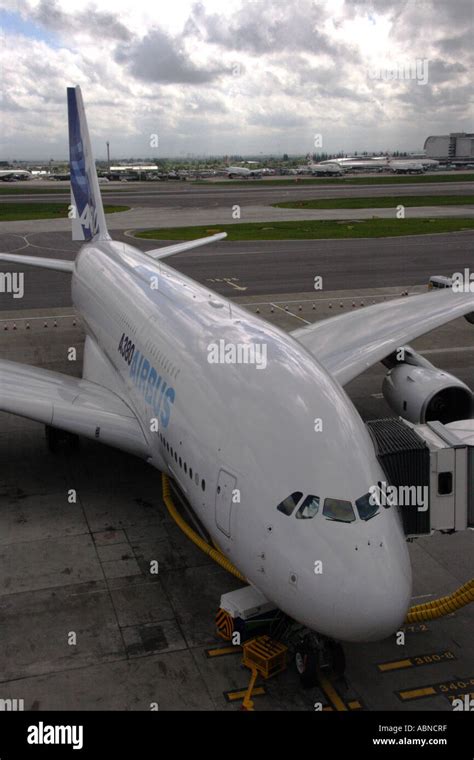
Air France surprised many by operating the A380 on one of the shortest scheduled routes in the aircraft’s history. In the summer of 2010, it flew between Paris Charles de Gaulle and London Heathrow, a hop of just 188 nautical miles. The purpose was never commercial ambition; it was about crew training and familiarization ahead of long-haul deployment. Despite operating ten A380s in a four-class, 516-seat layout, the aircraft was never central to Air France’s identity. Political pressure influenced its early adoption, but enthusiasm was limited. COVID-19 merely accelerated a retirement that already felt inevitable.
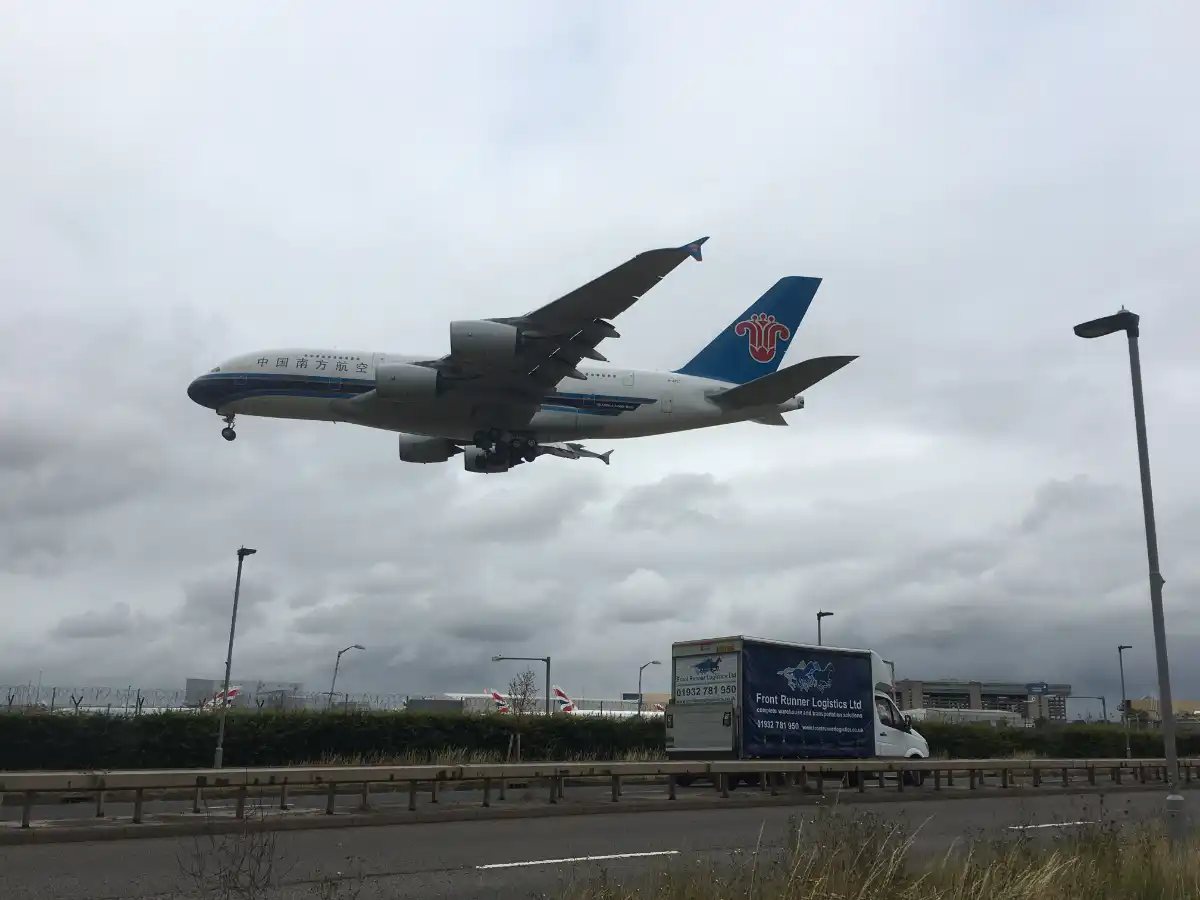
China Southern Airlines brought the A380 to Heathrow in 2020 on its Guangzhou–London route. The timing could not have been worse. Long-haul demand collapsed shortly afterward, and the airline ultimately retired the type altogether. With just 48 UK departures, the superjumbo never embedded itself into China Southern’s long-term European strategy.
Korean Air operated the A380 between Seoul Incheon and London Heathrow from 2016 to 2019, logging more than 500 departures. The aircraft served prestige as much as capacity, reinforcing the airline’s premium positioning. Yet even for Korean Air, the economics proved challenging. The airline has since pivoted toward more versatile widebodies, leaving the UK A380 chapter closed.
Thai Airways relied heavily on the A380 between Bangkok Suvarnabhumi and Heathrow, operating nearly 1,600 departures over five years. The route was iconic, but the aircraft was simply too large for sustainable yields. As restructuring pressures mounted, the A380 became an obvious candidate for retirement, and the UK services disappeared with it.
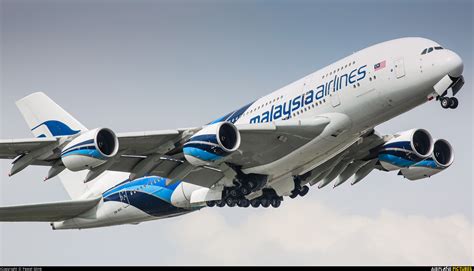
Malaysia Airlines was the most prolific A380 operator to the UK outside Emirates. Between 2012 and 2018, it flew almost 3,900 departing A380 flights from Kuala Lumpur to Heathrow, often operating two daily services. The aircraft replaced the 747-400 and initially symbolized renewal. Over time, reality intervened. Loads and yields could not justify a 494-seat giant. By 2026, both daily Heathrow flights are handled by the A350-900, a far better match for demand and profitability.
Norwegian never owned an A380, but its brief UK appearance with the type was unforgettable. In 2018, engine issues grounded parts of its 787 fleet, forcing the airline to charter a Hi Fly Malta A380 on the London Gatwick–New York JFK route. The arrangement prevented mass cancellations but highlighted how ill-suited the superjumbo was for a low-cost long-haul model. Norwegian has since exited long-haul flying altogether.
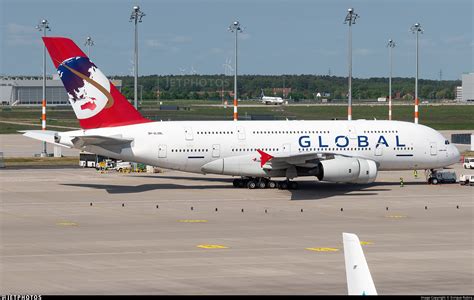
Global Airlines made headlines in 2025 with two transatlantic departures from Glasgow and Manchester to New York JFK using an A380 registered as 9H-GLOBL. Operated by Hi Fly Malta, the flights were more spectacle than strategy. Without its own operating license, Global was never a conventional airline, and the UK A380 appearances were fleeting by design.
Why the A380 Quietly Faded From the UK
The disappearance of these seven airlines from UK A380 operations is not a failure of engineering. The A380 performs exactly as designed. The problem is flexibility. Modern long-haul economics favor aircraft that can be filled consistently, adjusted seasonally, and redeployed across networks without gambling on ultra-high demand every day.
Airlines have learned that prestige does not pay bills. Heathrow’s slot scarcity once justified the superjumbo, but improved aircraft efficiency has rewritten the math. The A350-900, in particular, has become the aircraft of choice for former A380 routes, offering strong range, lower costs, and healthier yields.
The End of an Era, Not the End of the Story
The A380 has not vanished entirely from the UK, but its role has narrowed sharply. What remains is a specialized, high-density tool wielded primarily by Emirates, while others have stepped away quietly and permanently. The double-decker disappearance tells a broader story about aviation’s evolution: bigger is not always better, and adaptability now matters more than spectacle.