The Rise of the Double-Decker Passenger Plane
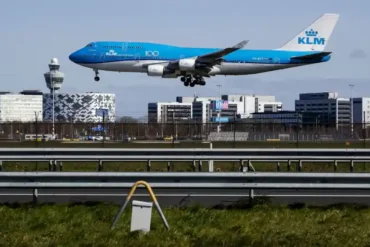
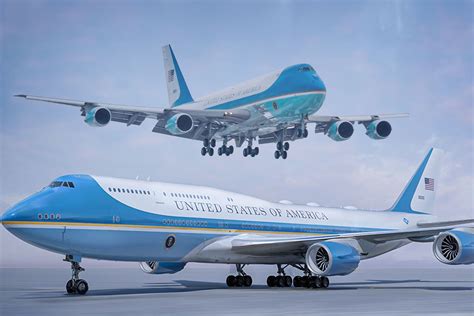
Double-decker passenger planes have long held an iconic status in global aviation. Towering over single-deck counterparts, these giants of the sky—most notably the Boeing 747 and the Airbus A380—ushered in new eras of capacity, luxury, and global connectivity. When the Boeing 747 took its first commercial flight in 1970, it redefined air travel, offering unparalleled range and size. Decades later, Airbus introduced the A380, the world’s largest passenger aircraft, capable of carrying over 850 passengers in an all-economy configuration or just above 500 in premium-heavy layouts.
These aircraft didn’t just transport passengers—they embodied a vision of air travel as an experience. With onboard bars, first-class suites, lounges, and even showers, they catered to the premium traveler in a way few aircraft have ever achieved. Yet, in an era dominated by fuel efficiency and operational flexibility, the age of the double-decker airliner is rapidly fading.
Why Airlines Loved—and Eventually Abandoned—Double-Deckers
For decades, airlines flocked to these jumbo jets to meet surging global demand and offer premium services on flagship routes. The sheer size of the Boeing 747 and Airbus A380 enabled carriers to transport more passengers between major hubs with fewer flights. For passengers, the appeal was clear: smoother rides, expansive cabins, and the novelty of boarding the upper deck.
However, size became the Achilles’ heel. The cost of operating these aircraft—fuel consumption, airport gate compatibility, and maintenance—quickly outpaced their benefits. As twin-engine, long-range aircraft like the Boeing 787 and Airbus A350 entered service, airlines found greater value in these fuel-efficient, point-to-point models. The COVID-19 pandemic accelerated the demise, grounding fleets overnight and forcing strategic fleet decisions.
The End of Production: A Turning Point
Airbus ceased production of the A380 in 2021, and Boeing delivered its final 747 in 2022. No new double-decker passenger aircraft are being built, signaling a major shift in aviation philosophy. While their production lines may be closed, these aircraft haven’t completely vanished.
Airlines with substantial investments in double-decker jets are refurbishing and reintroducing them to service. Others, like Global Airlines, are banking on nostalgia and the luxury appeal of these flying giants to carve out a niche market.
Airlines Still Operating Double-Deckers
As of 2025, 11 airlines continue to operate double-decker passenger planes, keeping the legacy alive through strategic upgrades and tailored routes.
Emirates
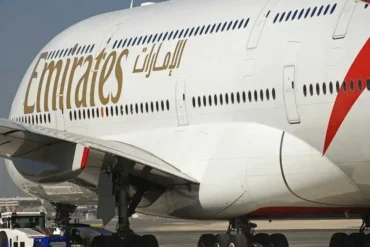
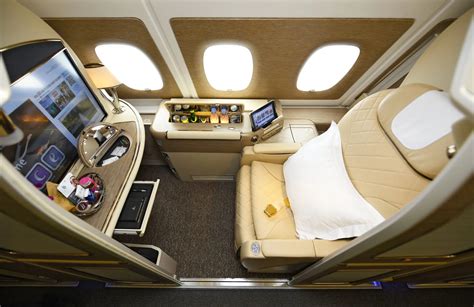
Emirates operates the largest fleet of A380s in the world, with 116 aircraft in service. Known for its first-class shower suites, onboard bars, and premium economy retrofits, Emirates has successfully turned the A380 into a brand asset rather than a liability. Its network, centered around Dubai, ensures high load factors and consistent premium demand.
Singapore Airlines
With 12 A380s, Singapore Airlines offers perhaps the most luxurious double-decker experience. Its first-class suites, equipped with reclining chairs and separate beds, represent the pinnacle of commercial aviation luxury. These suites can even be combined for couples.
British Airways
British Airways maintains a fleet of 12 Airbus A380s, which are undergoing upgrades including new first-class suites debuting in 2025. These aircraft primarily serve long-haul routes to major U.S. and Asian cities.
Qantas
Australian flag carrier Qantas has refurbished its eight A380s, adding updated business suites, expanded premium economy, and a refreshed inflight lounge. The fleet is expected to remain operational until at least 2032.
Etihad Airways
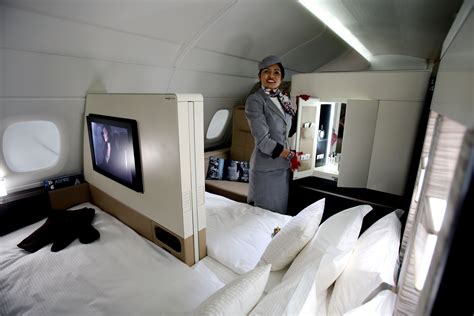
Etihad has brought back six A380s, with another to follow in 2025. The airline’s standout feature is The Residence—a private three-room suite with a living area, bed, and en-suite shower.
Korean Air
Korean Air flies both the 747 and the A380. Its Boeing 747s offer a more modern cabin experience with direct aisle access in business class, while the A380 includes an onboard lounge and superior legroom in economy.
Lufthansa
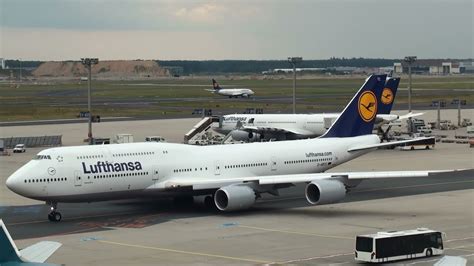
Germany’s Lufthansa remains the largest 747 operator globally. Its 747-8s are being outfitted with the Allegris business and first-class cabins. Meanwhile, eight of its A380s have returned to service, with business class upgrades scheduled for 2025.
Air China
Air China continues to fly nine Boeing 747s, including seven 747-8s. These serve high-density routes and VIP delegations, helping sustain the 747’s presence in Asia.
ANA (All Nippon Airways)
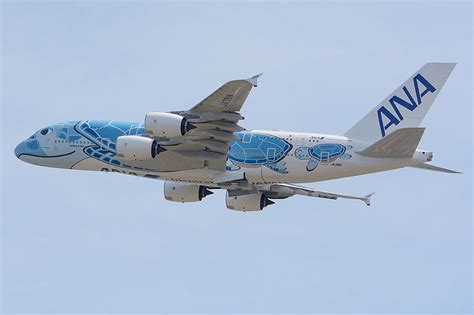
ANA is unique for ordering the A380 late into its production run, acquiring three aircraft painted in custom “Flying Honu” Hawaiian-themed liveries. These operate exclusively between Tokyo and Honolulu, catering to the lucrative Japanese leisure market.
Asiana Airlines
Asiana operates six A380s, with future operations unclear due to a pending merger with Korean Air. These aircraft include a second-deck lounge for business-class travelers.
Qatar Airways
Qatar Airways keeps eight A380s in its fleet, offering onboard bars and first-class cabins. However, the aircraft do not feature the airline’s acclaimed Qsuite business-class product.
Future Prospects: Flying into Uncertainty
The future of double-decker passenger planes hinges on a delicate balance of economics, nostalgia, and necessity. Global supply chain bottlenecks and production delays for new-generation aircraft have extended the useful lifespan of the A380 and 747 beyond their expected retirement dates. While they no longer represent the future of air travel, their presence remains indispensable for some airlines struggling to meet premium demand.
Moreover, the ongoing revival of first-class and premium cabins on these planes signals a resurgence in luxury travel. For airlines like Emirates and Singapore Airlines, these aircraft continue to serve as flagship ambassadors.
However, from a fleet planning perspective, double-decker aircraft are likely on borrowed time. Fuel burn, environmental concerns, and operational limitations are too significant to ignore long term. Once the current aircraft reach the end of their service lives, the era of the double-decker will likely close permanently.
FAQ
Why are double-decker planes being phased out?
Double-decker aircraft like the Airbus A380 and Boeing 747 are being retired primarily due to their high operating costs, fuel inefficiency, and lack of route flexibility. Modern twin-engine jets offer similar range with significantly lower cost and environmental impact.
Can passengers still fly on a double-decker aircraft?
Yes, as of 2025, 11 major airlines still operate A380s and 747s on selected long-haul routes. Airlines like Emirates, British Airways, Lufthansa, and Singapore Airlines continue to offer flights using these aircraft, especially between high-demand city pairs.
Will any new double-decker passenger planes be built in the future?
Unlikely. Both Airbus and Boeing have ended production of their double-decker models. Future aircraft development focuses on fuel-efficient, single-deck, twin-engine designs like the Airbus A350 and Boeing 787, which are more suited to today’s air travel economics and environmental targets.