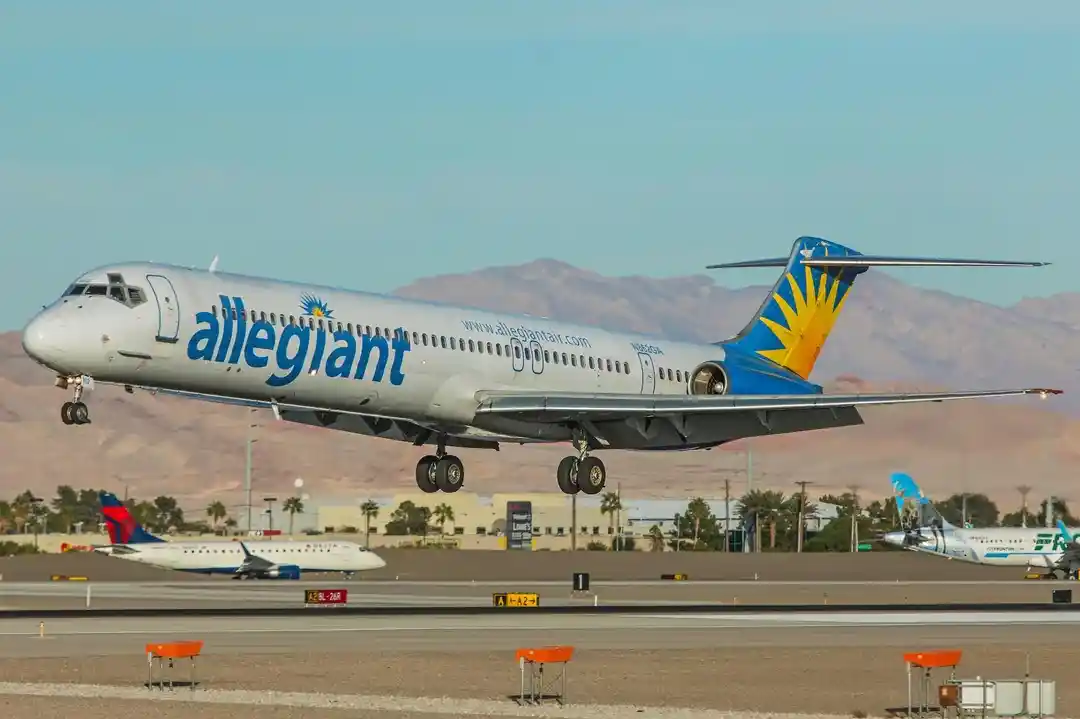
The McDonnell Douglas MD-80 remains a symbol of an aviation era that valued direct control, tactile instrumentation, and pilot skill over automation. As the last American-built commercial aircraft with an analog cockpit, it stands apart from the digitally dominated world of modern aviation. From its introduction in 1980 to its twilight years in niche airline fleets, the MD-80’s legacy endures as a mechanical marvel of human-centered flight.
The Birth of the MD-80 and the Rise of Analog Cockpits
Launched into commercial service by Swissair in October 1980, the MD-80 was an evolution of the Douglas DC-9. This aircraft emerged during a pivotal transition in aviation, as digital systems were just beginning to infiltrate flight decks. Yet, McDonnell Douglas opted to refine the analog systems pilots had trusted for decades. Over its production run, 1,191 MD-80s were built, securing its place in short- to medium-haul routes across the globe.
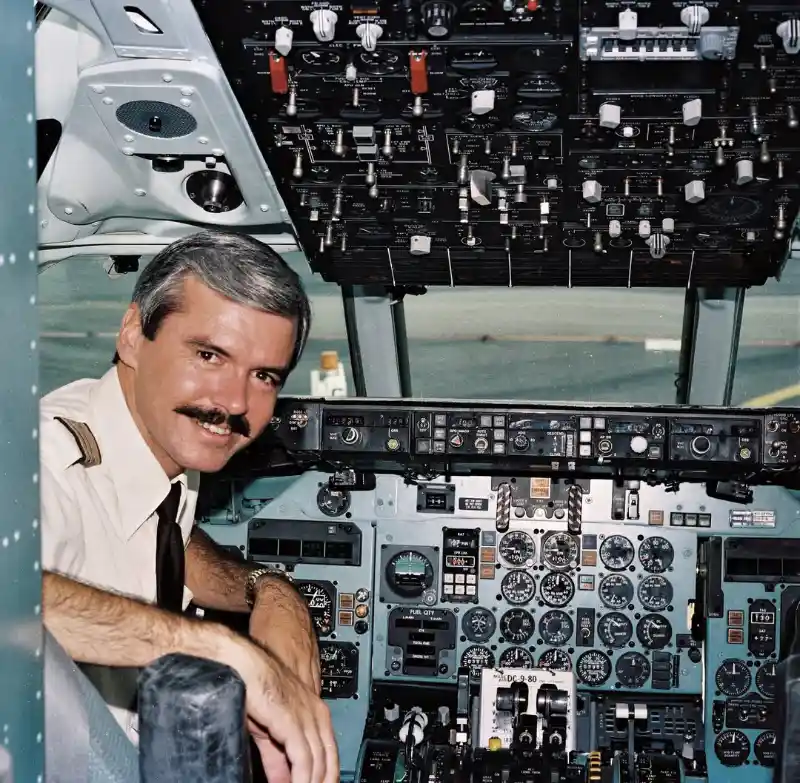
At a time when airlines were gravitating toward more sophisticated avionics, the MD-80 retained a cockpit that was largely mechanical, populated by gauges, knobs, and switches that demanded active pilot engagement. This wasn’t merely nostalgic—it reflected the technological state and operational philosophy of the era.
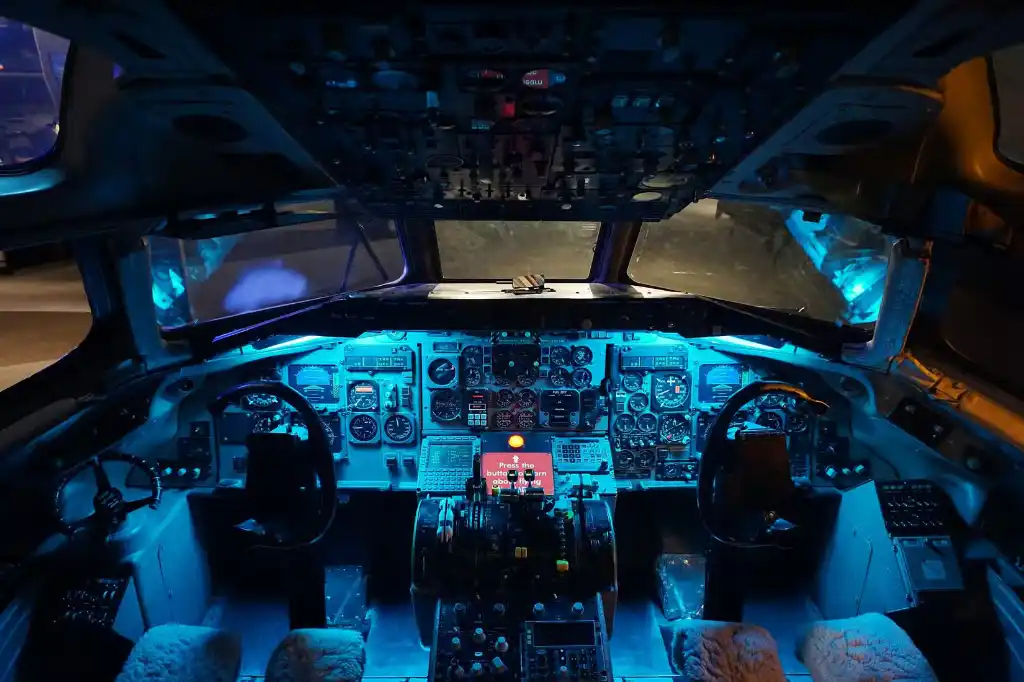
Understanding the Analog Flight Deck: A Hands-On Experience
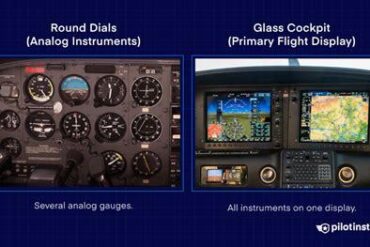
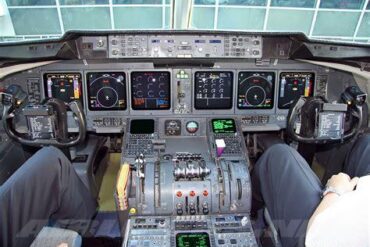
The MD-80’s analog cockpit presents a stark contrast to today’s glass cockpits. It revolves around five core analog instruments: airspeed indicator, altimeter, vertical speed indicator, heading indicator, and turn coordinator. Each dial provides real-time feedback, requiring pilots to manually interpret and react. Unlike modern displays that synthesize data across systems, analog readouts offer no shortcuts.
The cockpit layout reinforces this tactile interaction:
- A main instrument panel positioned between the pilots showcases essential flight data.
- Overhead panels manage aircraft subsystems—fuel, hydraulics, anti-icing.
- The center pedestal houses thrust levers, autopilot controls, and communication radios.
- Side panels contain circuit breakers and electrical controls.
This configuration not only reinforces pilot situational awareness but demands it. Flying the MD-80 involves continuous physical and mental input. There’s no reliance on layered automation or digital alerts. Every change in thrust, heading, or altitude is manually orchestrated.
Why Pilots Loved—and Feared—Flying the MD-80
Veteran pilots often recall the MD-80 with a mix of reverence and caution. For those raised in analog traditions, it offered a purist’s flying experience—no abstractions, just raw flight.
Pilots appreciated:
- Direct control: Mechanical linkages and hydraulic systems offered immediate feedback.
- Visual clarity: Each gauge served a distinct purpose, minimizing data overload.
- Redundancy: Many analog instruments operated independently of electrical systems.
Yet, this old-school charm came at a cost. Analog systems required:
- Constant scanning of instruments.
- Rigid adherence to checklists.
- High workload during abnormal operations or weather events.
Newer generations of pilots, trained on Airbus or Boeing digital platforms, often found the MD-80 daunting. The absence of intuitive graphical interfaces and integrated flight management systems made it feel like stepping into a mechanical time capsule.
MD-80: Triumphs, Tragedies, and Technological Lessons
Despite its charm, the MD-80 was not without controversy. It has been involved in 90 major incidents, including 47 hull losses and over 1,400 fatalities. Some of the most tragic examples include:
- Northwest Airlines Flight 255 (1987): Crashed after takeoff from Detroit due to configuration errors, killing 154 people.
- One-Two-GO Airlines Flight 269 (2007): Crashed during landing in Phuket, Thailand in heavy rain, killing 90.
- Spanair Flight 5022 (2008): Crashed on takeoff from Madrid due to incorrect flap settings, resulting in 154 deaths.
These incidents often stemmed from human factors—checklist failures, miscommunication, or maintenance oversights—exacerbated by the aircraft’s reliance on manual systems. Unlike digital cockpits that now warn pilots of configuration issues, the MD-80 trusted the crew to catch every step.
However, these tragedies also contributed to the evolution of cockpit design. The aviation industry learned that while analog systems fostered a deeper pilot connection, they also lacked the automated safety nets that modern aircraft now provide.
Global Operators and the End of an Era
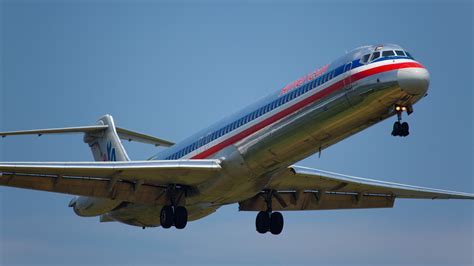
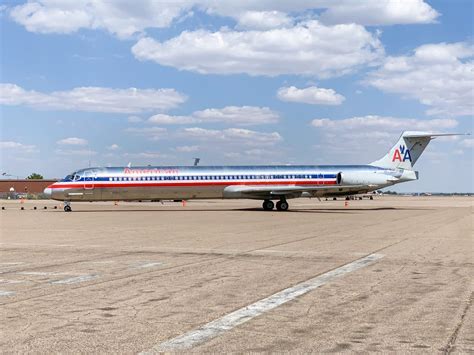
At its peak, the MD-80 was ubiquitous. American Airlines alone operated 391 units, more than any other carrier in history. Other major operators included Delta Air Lines, Trans World Airlines, Alitalia, and Scandinavian Airlines. Its variants—the MD-81 through MD-88—served routes from North America to Europe and Latin America.
Yet, time caught up with the workhorse. Allegiant Air retired its fleet in 2018, and Delta Air Lines officially phased out the MD-80 in 2020 amid the COVID-19 pandemic. The aircraft’s fuel inefficiency, higher maintenance demands, and outdated systems made it incompatible with modern commercial standards.
Today, only a handful of MD-80s remain in active service:
- LASER Airlines (Venezuela) operates nine for passenger service.
- Aeronaves TSM (Mexico) maintains fifteen for cargo operations.
These aircraft often serve secondary airports, remote destinations, or dedicated charter operations. Their analog cockpits live on as a nostalgic reminder of aviation’s mechanical past.
The Analog vs. Digital Divide: How Cockpits Evolved
To appreciate the MD-80’s analog cockpit, one must understand the contrast offered by today’s glass cockpits. Aircraft like the Boeing 787 and Airbus A350 boast:
- Fully integrated digital flight displays.
- Fly-by-wire systems that translate pilot input into electronic commands.
- Enhanced automation that monitors aircraft health, environment, and performance.
These changes have dramatically improved safety, fuel efficiency, and pilot workload management. Still, they’ve also led to concerns about automation dependency. Some argue that newer pilots, groomed on digital interfaces, might lack the situational awareness ingrained by analog cockpits.
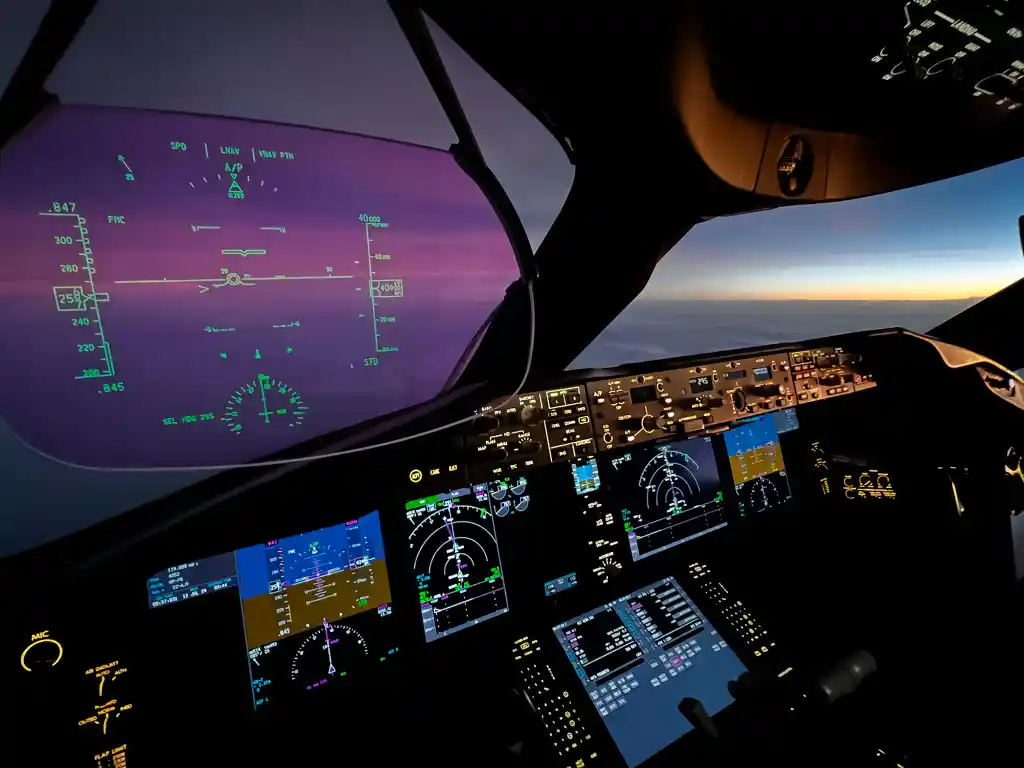
The MD-80 stands as a counterpoint—a machine that demands full attention, deep knowledge, and hands-on engagement. Its cockpit is not simply a place of command but of constant collaboration between human and machine.
Enduring Legacy: A Tribute to Old-School Aviation
The MD-80’s analog cockpit symbolizes more than a design philosophy; it represents a mindset. In an era increasingly dominated by algorithms, the MD-80 reminds us of aviation’s roots in mechanical ingenuity and pilot craftsmanship.
It taught generations of aviators the value of:
- Mastery over machinery.
- Situational awareness without automation.
- Discipline in checklist procedures and instrument scanning.
In museums and private hangars, former MD-80s are preserved not just as relics but as milestones in aerospace history. For flight schools and aviation historians, the aircraft provides a critical touchpoint for understanding how far cockpit technology has evolved—and what has been lost in the process.
While the MD-80 may no longer soar the skies in great numbers, its analog heartbeat continues to echo in the souls of those who flew, fixed, or simply admired it.
Conclusion: The Last Analog Stronghold in American Skies
The McDonnell Douglas MD-80’s analog cockpit is more than just a technical detail—it’s a chapter of aviation history that underscores the relationship between pilot and plane. In an age where automation reigns supreme, the MD-80 reminds us of a time when flight was a deeply human endeavor. Its legacy endures in rusting fuselages, in the stories of seasoned pilots, and in every manual switch that once carried hundreds safely through the skies.
As the last plane in America with an analog cockpit, the MD-80’s story is not one of obsolescence—but of tribute.