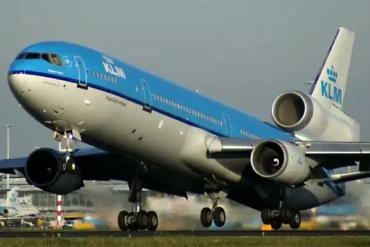
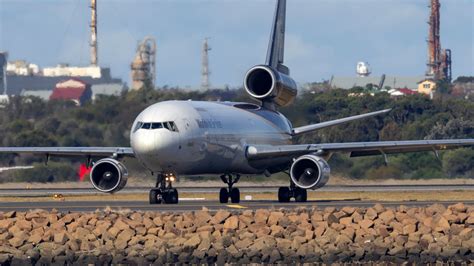
The McDonnell Douglas DC-10 and its successor, the McDonnell Douglas MD-11, share one of the most recognizable silhouettes in aviation history. Both aircraft are long-range tri-jet widebody airliners, distinguished by a third engine mounted at the base of the vertical stabilizer. From a distance, the similarities appear almost uncanny. The fuselage proportions, cockpit window geometry, and even the distinctive tail intake give the impression that the MD-11 is simply a refined DC-10.
However, stepping through the cockpit door reveals a dramatic transformation in aviation philosophy. The difference between the two aircraft is not merely aesthetic or technological—it reflects a fundamental shift in how commercial aviation approached pilot workload, automation, and information management. The DC-10 embodies the final chapter of the analog era, where pilots and engineers interpreted raw mechanical data. The MD-11 represents the transition toward the digital cockpit, where computers synthesize complex system data into structured displays.
These aircraft illustrate a pivotal turning point in airline operations. During the DC-10’s design in the late 1960s, redundancy meant adding more instruments and another crew member. By the time the MD-11 entered service in 1990, economic pressures and advances in computing encouraged airlines to adopt two-pilot cockpits supported by advanced automation.
The result is a fascinating contrast between two aircraft that look nearly identical on the outside but embody entirely different approaches to flight deck design.
Analog Complexity: Inside the DC-10 Cockpit
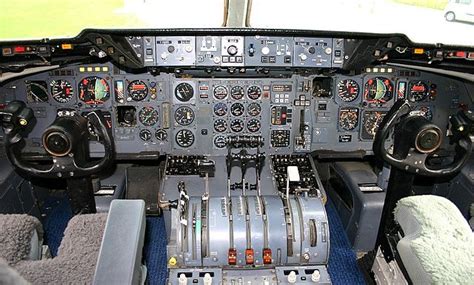
The DC-10 cockpit is a monument to analog aviation engineering. Built during an era when digital computing power was limited, the aircraft relied on individual mechanical gauges for nearly every measurable parameter. Airspeed, altitude, vertical speed, engine pressure ratio, hydraulic pressure, fuel flow, and electrical loads each had their own dedicated instrument.
This design philosophy created a cockpit filled with dozens of round dials, annunciator lights, and switches. The captain and first officer sat before expansive instrument panels, while the overhead panel contained additional system controls. A third workstation behind the pilots housed the flight engineer’s systems panel, which monitored the aircraft’s mechanical health.
Pilots developed situational awareness through a continuous instrument scanning pattern. Eyes moved across multiple gauges to track trends and detect anomalies. A slight movement in a needle could signal an emerging issue. Because the information was presented directly through mechanical instruments, there was almost no abstraction. The aircraft communicated its condition through physical motion—vibrating needles, fluctuating indicators, and illuminated warning lights.
This approach demanded exceptional attentiveness. Pilots learned to integrate dozens of independent readings into a mental model of the aircraft’s performance. The system worked effectively, but it relied heavily on human interpretation and vigilance.
The DC-10’s cockpit therefore felt busy yet transparent. Every piece of data was always visible, but understanding the full picture required continuous mental synthesis.
The Flight Engineer Era: Three-Crew Operations
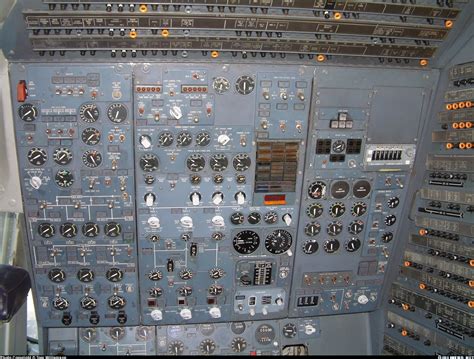
The presence of a flight engineer was central to the DC-10 cockpit environment. This third crew member monitored and controlled the aircraft’s complex systems, allowing the captain and first officer to concentrate on flying and navigation.
The flight engineer’s panel included hundreds of switches, gauges, and circuit indicators. Responsibilities included:
- Managing fuel distribution and balancing
- Monitoring hydraulic and pneumatic systems
- Controlling pressurization and environmental systems
- Overseeing electrical load distribution
- Diagnosing system alerts and anomalies
The role required constant monitoring, especially during long-haul operations where small system deviations could develop over time. In effect, the flight engineer acted as the aircraft’s mechanical caretaker.
The three-crew cockpit was common during the widebody revolution of the early 1970s. Aircraft such as the Boeing 747-100, Lockheed L-1011 TriStar, and DC-10 all relied on this operational structure. At the time, it was considered the safest way to manage the immense complexity of large intercontinental aircraft.
Yet as computing technology improved, airlines began questioning whether a third crew member was still necessary.
Glass Cockpit Revolution: Enter the MD-11
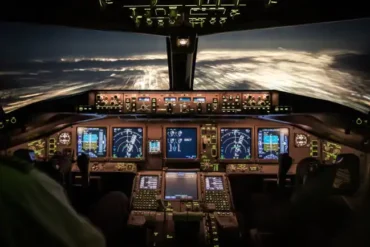
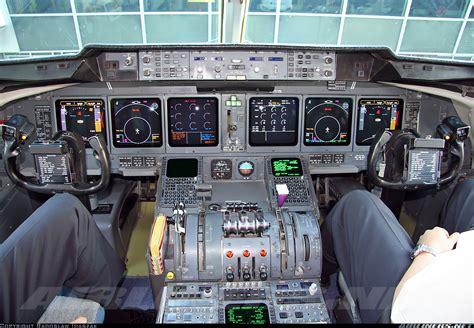
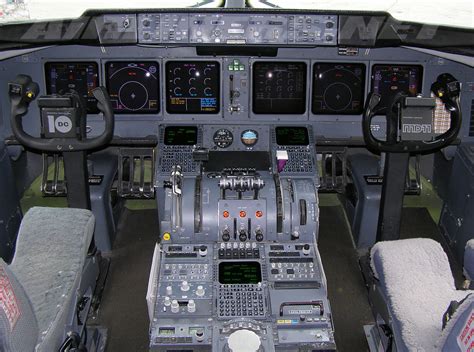
When McDonnell Douglas introduced the MD-11, the cockpit underwent a profound redesign. Instead of analog gauges scattered across the panel, the MD-11 used large cathode-ray tube (CRT) displays that consolidated flight and system information into digital screens.
The centerpiece of this redesign was the glass cockpit, a term used to describe aircraft flight decks dominated by electronic displays rather than mechanical instruments.
In the MD-11, primary flight data—such as attitude, airspeed, altitude, and navigation—appeared on integrated digital displays directly in front of each pilot. Engine parameters were grouped into logical clusters rather than distributed across multiple gauges.
More importantly, not all information appeared simultaneously. The system allowed pilots to select synoptic pages, which are graphical representations of aircraft systems like hydraulics, electrical networks, or fuel flow. These pages appeared only when needed.
This design dramatically reduced visual clutter. Instead of scanning dozens of gauges, pilots could focus on a smaller set of carefully organized displays.
However, this convenience introduced a new concept: information abstraction. Rather than observing raw mechanical indicators, pilots now relied on software to process and summarize data before presenting it.
How Digital Displays Changed Pilot Awareness
The shift from analog gauges to digital screens changed how pilots interact with aircraft systems.
In the DC-10, situational awareness developed through continuous visual scanning. Each instrument provided a small piece of the puzzle. Pilots assembled the larger picture by mentally combining these readings.
In the MD-11, computers perform much of that integration. The system analyzes raw data from sensors and presents the results in structured digital formats. For example:
- Navigation information appears on a moving map display
- Fuel systems are shown through graphical diagrams
- Engine performance is summarized in grouped parameter displays
This architecture significantly reduces cognitive workload during routine operations. Instead of constantly scanning, pilots monitor key indicators and consult additional pages when necessary.
Yet this also introduces a different skill requirement. Pilots must understand the logic behind automation modes and system pages. Awareness becomes less about reading instruments and more about interpreting software-driven displays.
Automation and the Flight Management System
One of the most significant technological differences between the DC-10 and MD-11 lies in the Flight Management System (FMS).
The DC-10 relied on inertial navigation systems and traditional autopilot capabilities. These systems could maintain altitude, heading, and speed, but route planning and performance optimization were largely manual tasks.
Pilots calculated climb profiles, cruise altitudes, and descent planning using performance charts and operational experience. Coordination between pilots and the flight engineer ensured efficient fuel usage during long flights.
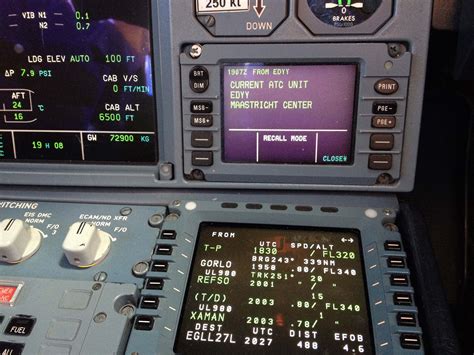
The MD-11 transformed this process through its integrated FMS. Pilots could program an entire route—including waypoints, altitude constraints, and fuel planning—directly into the aircraft’s computers.
Once entered, the system continuously calculated optimal performance parameters such as:
- Climb profiles
- Cruise efficiency
- Descent planning
- Fuel consumption predictions
The aircraft essentially became an active partner in flight planning, updating calculations in real time.
This capability dramatically improved efficiency on long-haul routes, allowing airlines to operate flights with greater precision and fuel economy.
The End of the Flight Engineer
The advanced digital architecture of the MD-11 made the flight engineer position obsolete. Automation now handled many tasks previously managed by a human systems specialist.
Functions such as fuel balancing, electrical distribution, and pressurization control were monitored and adjusted automatically. If a system anomaly occurred, the cockpit displays provided alerts along with diagnostic information.
Pilots could access system details through synoptic pages, eliminating the need for a dedicated engineer’s console.
This transition enabled two-pilot certification, significantly reducing operational costs. Airlines operating long-haul fleets recognized the economic advantages immediately. Removing one crew member from every flight produced substantial savings across thousands of annual flights.
Airlines such as KLM and FedEx transitioned from DC-10 fleets to MD-11 operations partly for this reason.
Automation Philosophy: Human Control vs System Oversight
The DC-10 and MD-11 also reveal a deeper philosophical shift in aviation automation.
In the DC-10, automation was supportive rather than authoritative. The autopilot assisted with routine tasks, but pilots retained primary responsibility for managing performance and navigation decisions.
Human judgment remained central.
The MD-11 introduced a more integrated hierarchy where the aircraft’s computers played a larger role in managing flight operations. The automation could calculate efficient flight paths, adjust performance parameters, and provide predictive information.
Pilots increasingly acted as supervisors of automated systems rather than direct operators of every process.
This shift required new training approaches. Pilots needed to understand the behavior of automated modes and ensure the aircraft was operating in the expected configuration.
A new discipline emerged in aviation called mode awareness, referring to a pilot’s ability to track which automation systems are active at any given time.
Landing Challenges and Early Operational Lessons
Early in its operational life, the MD-11 gained a reputation among pilots for being somewhat challenging during landing. The aircraft’s aerodynamic design and advanced automation sometimes produced unexpected energy states if pilots did not carefully manage speed and descent profiles.
This was not a flaw in the aircraft itself but rather a reflection of the new automation-centric cockpit environment.
Pilots transitioning from analog aircraft had to adapt to the MD-11’s digital logic. Understanding how the FMS controlled descent planning and throttle management became essential for smooth landings.
Over time, improved pilot training programs and software refinements addressed these issues. As airlines gained operational experience, the aircraft proved reliable and capable across thousands of long-haul flights.
Cockpit Context in Aviation History
To fully appreciate the DC-10 and MD-11 cockpits, it helps to place them within the broader timeline of commercial aviation.
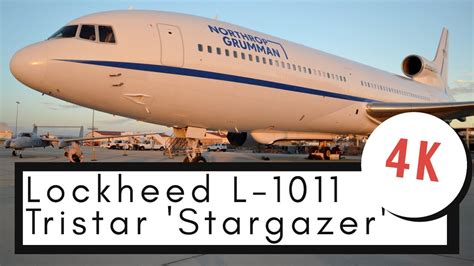
The DC-10 belonged to the same generation as the Boeing 747-100/200 and Lockheed L-1011 TriStar. These aircraft represented the first wave of widebody airliners designed for intercontinental travel. Their cockpits reflected an engineering philosophy centered on visible redundancy and human monitoring.
The MD-11, however, arrived in a dramatically different environment. By the late 1980s, aircraft like the Boeing 767 and Airbus A310 had already demonstrated that two-pilot cockpits with digital instrumentation could safely manage widebody operations.
Even the iconic Boeing 747-400 adopted a glass cockpit and eliminated the flight engineer.
The MD-11 therefore represented part of a broader industry transition toward computer-assisted flight decks.
Yet it still retained traditional control columns and conventional aircraft handling characteristics. Unlike the Airbus A320 family, which introduced fly-by-wire systems and flight envelope protections, the MD-11 maintained a more classic pilot-authority approach.
This makes the aircraft a fascinating bridge between generations of cockpit design.
Maintenance and Diagnostic Evolution
Another important difference between the DC-10 and MD-11 cockpits lies in how they support aircraft maintenance.

When a DC-10 landed with a system anomaly, maintenance crews often relied on pilot observations and handwritten reports. Engineers might investigate a fluctuating gauge or a warning light observed during flight.
Diagnosing issues required hands-on testing and careful interpretation of system behavior.
The MD-11 introduced centralized digital fault recording. Its computers logged system anomalies and stored detailed operational data during each flight.
Maintenance teams could access this information immediately after landing. Fault codes and recorded parameters allowed technicians to identify issues more quickly and accurately.
For cargo operators such as UPS Airlines and FedEx Express, this capability proved invaluable. Faster diagnostics meant shorter turnaround times and improved fleet reliability.
The cockpit thus became not only a control center but also a data collection hub supporting airline maintenance networks.
A Defining Line Between Aviation Eras
The contrast between the DC-10 and MD-11 cockpits highlights one of the most important transitions in aviation history.
The DC-10 represents the peak of analog widebody design, where complexity was managed through human oversight and mechanical instrumentation. Pilots and engineers directly observed every system through dedicated gauges and controls.
The MD-11 marks the emergence of digital integration, where computers organize, interpret, and prioritize information before presenting it to the flight crew.
Both philosophies aim to achieve the same goal: safe and efficient flight. But the methods are profoundly different.
One relies on human interpretation of raw mechanical signals. The other depends on software-driven systems that synthesize vast amounts of data.
Modern aircraft such as the Boeing 787 Dreamliner and Airbus A350 extend the MD-11’s digital concept even further, incorporating advanced flight computers, touchscreen displays, and highly integrated avionics networks.
In this sense, the DC-10 closes one chapter of aviation design, while the MD-11 opens the next.
Conclusion: More Than Glass vs Gauges
At first glance, the DC-10 and MD-11 appear nearly identical. Their shared tri-jet architecture and widebody proportions make them difficult to distinguish from the outside.
Inside the cockpit, however, they tell two very different stories.
The DC-10 reflects a time when aircraft systems were visible, mechanical, and managed by a three-person crew. The MD-11 demonstrates how digital technology and automation transformed cockpit design, enabling two pilots to oversee increasingly complex aircraft.
The difference ultimately goes beyond glass displays or crew numbers. It reflects a deeper shift in where authority resides within the cockpit.
In the DC-10, humans directly managed the aircraft’s mechanical complexity. In the MD-11, computers organize that complexity before the pilots ever see it.
Both aircraft remain iconic in aviation history, not only for their distinctive tri-jet configuration but also for how their cockpits illustrate the evolution of human-machine collaboration in flight.