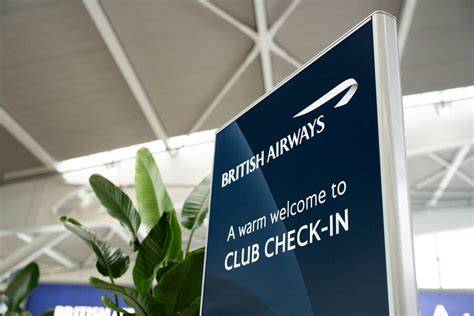
A British Airways passenger has alleged that a dispute over a seat selection fee chargeback resulted in his family’s flight cancellation, forcing them to purchase a last-minute replacement ticket costing around $3,200. The incident, shared publicly by traveler Chris Martinez, has raised questions about airline payment systems, ancillary fee disputes, and passenger protections under European air travel regulations.
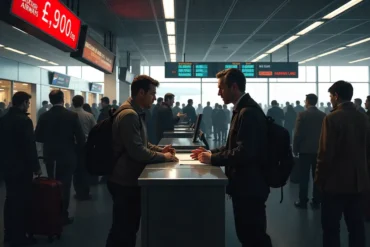
Martinez said he was traveling from Paris Charles De Gaulle Airport (CDG) with his wife and two children when the unexpected issue occurred. The family reportedly completed the normal airport process, including baggage drop, before approaching the ticket counter to collect their boarding passes. That was when airline staff informed them that his wife’s ticket had been canceled.
According to Martinez’s account, the cancellation was linked to a previous credit card chargeback involving a seat selection fee. He explained that the family had already gone through a refund and rebooking process for their flights, but the separate charge for selecting seats was not refunded at the same time. Because of that, he disputed the seat fee through his credit card provider.
The family allegedly believed they were only challenging the additional seat charge, not the airfare itself. However, the chargeback reportedly triggered a much larger problem, causing the airline’s system to treat the entire itinerary as invalid. By the time the family reached the airport counter, they had no advance warning that their booking status had changed.
British Airways Ticket Cancellation Raises Questions About Internal Systems
The situation appears to have involved a possible administrative or ticketing system failure rather than a deliberate passenger action. Reports surrounding the incident suggest that the original booking appeared valid, and even British Airways employees at the airport reportedly struggled to understand why the system would not issue boarding passes.
Two BA agents allegedly contacted the airline’s ticketing department to investigate the issue. The confusion reportedly continued because the passengers had already checked in successfully, creating a situation where the reservation appeared active until the final boarding process.
For airlines, separate charges such as seat reservations, baggage fees, and priority services are usually considered ancillary products rather than part of the core flight ticket. A dispute over one additional service does not normally mean that the passenger has rejected the entire contract of carriage.
Martinez questioned why a seat fee disagreement could allegedly result in the cancellation of a confirmed airfare without prior communication. In his public statement, he argued that passengers should receive notice and an explanation before a major travel disruption occurs.
The airline has not publicly confirmed the exact cause of the cancellation, meaning the full circumstances remain unclear. However, if the cancellation resulted from an internal processing mistake, responsibility could fall on the carrier rather than the passenger.
EU261 Passenger Rights Could Apply After Alleged Denied Boarding
Because the journey began in France, European passenger protection rules may apply. Under EU Regulation 261/2004, travelers who are denied boarding despite holding a confirmed reservation may be entitled to compensation, assistance, and alternative transportation.
If British Airways canceled the ticket because of an internal error, the passenger could potentially argue that the situation amounted to an involuntary denied boarding event. Airlines generally cannot avoid their obligations simply because a technical or administrative problem occurred within their own systems.
The level of compensation depends on factors such as flight distance and circumstances. For eligible cases, passengers may receive between €250 and €600, depending on the length of the journey. However, compensation alone may not cover the additional expense caused by buying a replacement ticket immediately before departure.
The family may also seek reimbursement for the difference between their original fare and the expensive last-minute ticket. Under EU rules, airlines have a responsibility to provide rerouting options when passengers are denied boarding for reasons within the airline’s control.
Airline Chargebacks Can Create Complicated Travel Problems
Credit card chargebacks are designed to protect consumers when they believe they have been incorrectly charged. However, disputes involving airlines can become complicated because airline reservations often connect multiple transactions, including the base fare and additional services.
A chargeback against one payment may sometimes trigger automated airline procedures, especially when payment systems interpret the dispute as a refusal to pay. This can create unexpected consequences for travelers who believe they are only challenging a small additional charge.
Industry experts have previously warned that passengers should carefully document communication with airlines and understand the potential effects of payment disputes before initiating chargebacks. Keeping receipts, refund confirmations, and booking records can become essential when resolving these situations.
In Martinez’s case, he said he had submitted a claim directly to British Airways, providing evidence and seeking reimbursement. If the airline does not resolve the matter, he may escalate the complaint through alternative dispute resolution channels such as the Centre for Effective Dispute Resolution (CEDR) in the United Kingdom.
British Airways Passenger Complaint Highlights Wider Industry Challenges
The alleged incident highlights a growing issue in modern air travel: the increasing complexity of airline payment systems. As carriers separate more services into individual purchases, disputes involving seat assignments, baggage, upgrades, and other extras can create unexpected complications.
For passengers, the key concern is transparency. A traveler who believes they have a confirmed ticket expects clear communication before losing access to a flight. For airlines, preventing automated systems from creating severe consequences over smaller payment disputes remains an important operational challenge.
The final outcome of Martinez’s complaint will depend on British Airways’ investigation and whether the airline determines that an internal mistake caused the cancellation. If confirmed, the case could become another example of why airlines must carefully manage the relationship between ancillary fees and core passenger bookings.