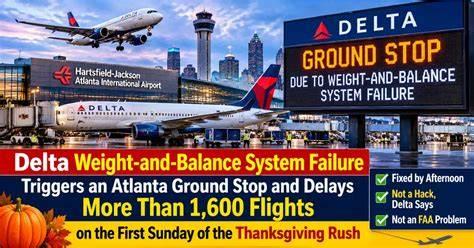
Delta Air Lines flights bound for Hartsfield-Jackson Atlanta International Airport were held at their departure airports on Sunday morning after a technology failure disrupted the carrier’s weight-and-balance calculations, forcing the Federal Aviation Administration to issue a ground stop at Delta’s request and delaying more than 400 flights at the world’s busiest hub just days before Thanksgiving.
FAA Ground Stop Grounds Inbound Delta Flights at Atlanta
According to the FAA’s National Airspace System status page, the ground stop applied only to Delta flights headed to Atlanta and was initially scheduled to remain in effect until at least 9:00 AM ET. Shortly after 8:40 AM, the restriction was downgraded to a ground delay program, allowing arrivals to resume under controlled spacing while the airline worked through a deepening backlog. FAA data showed inbound delays averaging 57 minutes, and flight tracking data indicated that more than 400 flights had been delayed at ATL, representing almost 20% of all inbound and outbound traffic at the airport that morning.
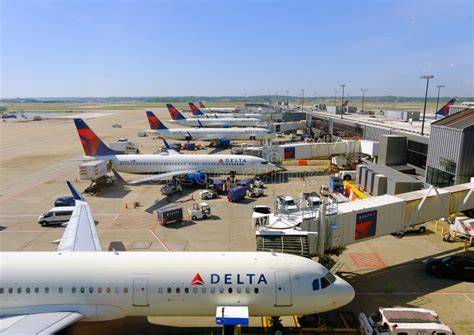
The ripple effect spread well beyond Georgia. Passengers reported lengthy waits at Newark, New York LaGuardia, Reagan National, Washington Dulles, Boston, Baltimore, Miami and Minneapolis, airports where Delta aircraft sat at the gate waiting for clearance to launch toward Atlanta. Delta has not disclosed what caused the outage or whether any flights were canceled as a result, and the airline offered only a brief statement acknowledging the disruption: “Delta teams are using manual workarounds this morning to safely get flights departed while work continues to restore automation. We thank our customers for their patience and our people for their professionalism.”
How the Automated Load Instruction System Failure Halted Departures
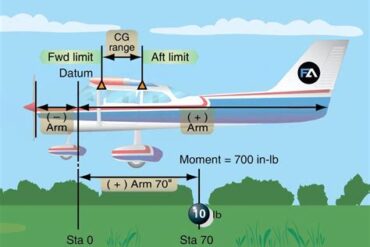
The outage centered on Delta’s Automated Load Instruction System, known as ALIS, which processes the loading information that feeds every aircraft weight-and-balance calculation. Before any flight departs, the airline must produce a final load sheet confirming total weight and center of gravity after passengers, bags, cargo and fuel are aboard. Those figures then drive takeoff performance calculations, including the speeds pilots reference during rotation and the engine thrust required for the runway available. When automation fails, dispatchers and load planners must complete the same math by hand, adding minutes to every single departure.
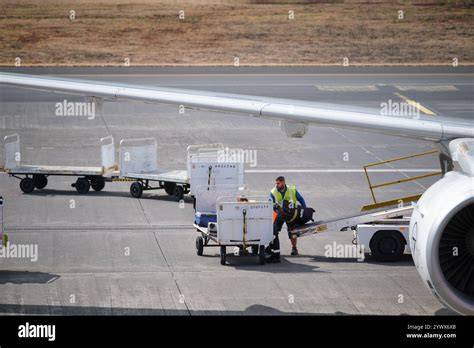
At a hub the size of Atlanta, those minutes compound quickly. Slower departures leave aircraft parked at gates longer, shrinking the number of open stands for arriving flights, and holding inbound Delta jets at their origin airports prevents them from landing in Atlanta without a gate to occupy. Delta said it was coordinating with air traffic control to “protect airport gates and tarmac areas from congestion” at ATL. The airline’s statement confirmed that teams were working to restore automated weight-and-balance calculations while managing the process manually in the interim. The cascade also demonstrated how tightly hub scheduling depends on software that passengers never see; only last week, United Airlines endured a similar weight-and-balance system outage that forced it to hold departures across its network for more than 90 minutes.
Sunday Timing Adds Pressure to the Pre-Thanksgiving Travel Rush
The disruption landed on the opening weekend of the Thanksgiving travel period, with the holiday falling on Thursday, November 26. US carriers are projected to fly nearly 29 million passengers between November 20 and November 30, roughly 2.7 million per day, and airlines have added about 38,000 daily seats compared with the same period a year earlier. Delta entered that surge still recovering from the nationwide ground stop on November 13, which lasted more than four hours after a telecommunications failure inside the FAA’s system and left aircraft and crews displaced across the country, producing days of additional delays and cancellations.
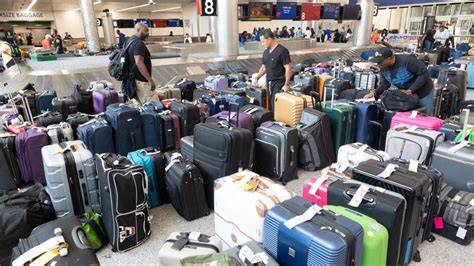
For Delta passengers, the practical consequences were accumulating waits at departure gates, shifting arrival estimates and a hub operation straining to absorb a surge it had spent weeks preparing for. The downgrade from ground stop to ground delay program signaled that flights were moving again, but the manual load sheets, the queue of held aircraft and the compressed holiday schedule meant the morning’s delays would likely follow travelers into the busiest week of the year.