A critical fuel pipeline leak has triggered widespread concern at Seattle-Tacoma International Airport (SEA), just as the U.S. braces for one of the busiest travel periods of the year. With Thanksgiving looming, the threat of a fuel shortage has placed both passengers and airlines on edge.
Washington Governor Bob Ferguson declared a state of emergency following the shutdown of the Olympic Pipeline, which delivers jet fuel directly to SEA. This declaration underscores the severity of the situation, as state and federal agencies scramble to restore operations before a hard deadline of Saturday evening, November 22, 2025.
Olympic Pipeline Leak Forces Emergency Response
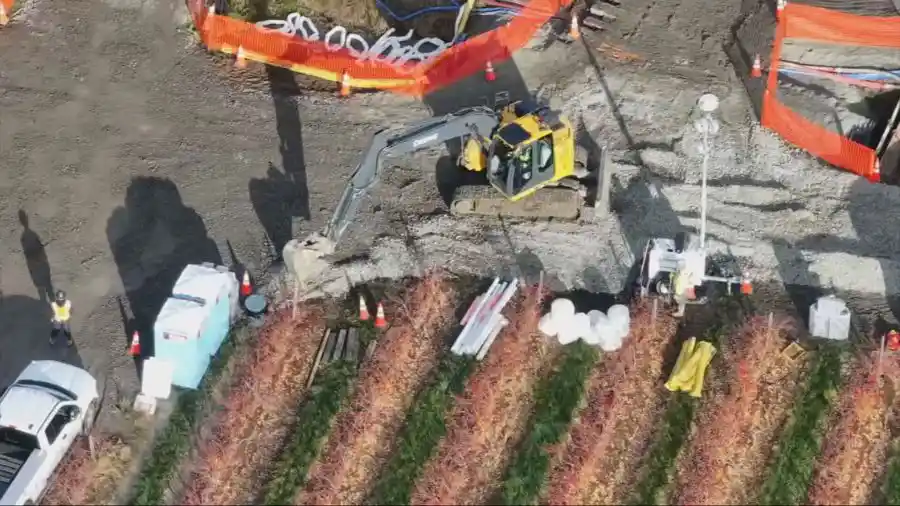
The crisis began on November 11, 2025, when a significant fuel leak was detected in Snohomish County, east of Everett. As a safety precaution, the Olympic Pipeline was immediately shut down, halting a crucial supply chain lifeline for the airport.
Governor Ferguson’s proclamation emphasized the high stakes, citing the “threat to life, health, property, and economic stability” posed by prolonged fuel disruptions. Seattle-Tacoma International Airport, a major West Coast aviation hub, has had to make operational adjustments since November 12, though the full scale of the impact remains unclear.
The emergency proclamation authorizes the mobilization of emergency resources to mitigate the cascading effects on transportation, emergency response, and aviation operations. Officials remain tight-lipped about the exact quantity of the fuel leak, but the urgency of the government’s response signals a serious situation with wide-reaching implications.
Alaska Airlines Activates Contingency Plans
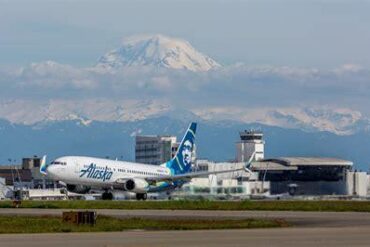
Alaska Airlines, SEA’s largest carrier, has confirmed that while current operations are unaffected, the airline is not taking any chances. In a statement to Komo News, the airline outlined a proactive multi-pronged contingency strategy designed to keep flights running smoothly through the Thanksgiving crush.
These strategies include:
- Tankering fuel on inbound flights to Seattle
- Evaluating technical stop options to refuel on select routes
- Scaling up trucking operations to bring additional fuel supply
- Maintaining real-time coordination with Olympic Pipeline, refineries, and SEA officials
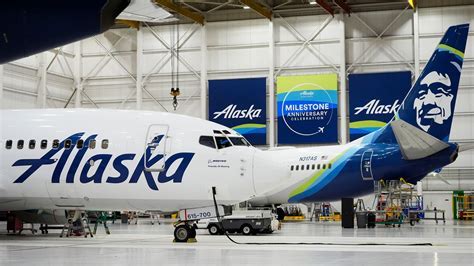
Despite the uncertainty, Alaska Airlines remains optimistic that with the implemented mitigation tactics, travelers will experience minimal disruptions. Still, any sustained fuel shortage could ripple across airline schedules, potentially affecting thousands of holiday flights.
Thanksgiving Travel Crush Collides With Fuel Emergency
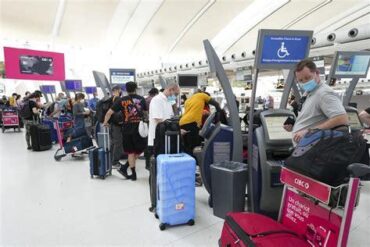
The fuel crisis could not have come at a more precarious time. Thanksgiving week consistently ranks as the busiest travel period in the United States, with AAA forecasting 81.8 million travelers this year — a new record.
Roughly 6.1 million Americans are expected to fly, up 2% from last year, although that figure could dip if passengers begin modifying plans in light of the SEA disruptions. Already, some travelers have expressed concern on social media, with speculation about rerouted flights and potential delays circulating widely.
The Transportation Security Administration (TSA) is working at full capacity following the end of the longest federal government shutdown in U.S. history, which concluded on November 12, 2025. TSA Chief of Staff Adam Stahl affirmed the agency’s readiness, noting the dedication and resilience of frontline workers who had previously served without pay during the shutdown.
Despite these reassurances, travel experts warn that any additional strain — such as the current fuel issue — could tip the balance and trigger a cascade of delays, cancellations, and scheduling complications during this fragile recovery window.
Uncertain Days Ahead For Seattle’s Aviation Ecosystem
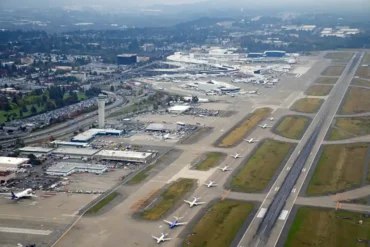
Seattle-Tacoma International Airport is one of the busiest airports on the U.S. West Coast, handling over 50 million passengers annually. Its dependence on the Olympic Pipeline makes it particularly vulnerable to supply chain interruptions.
If the pipeline remains offline beyond the projected repair window, airlines may be forced to reduce flight frequencies or introduce unplanned fuel stops, adding significant operational complexity. The situation also raises broader concerns about infrastructure resilience, with industry analysts calling for improved redundancy in jet fuel delivery systems.
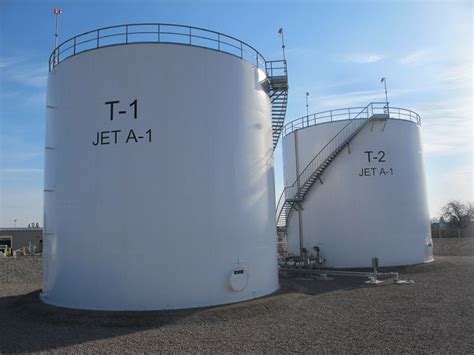
As federal and state agencies intensify their efforts to resolve the pipeline leak, travelers, airport authorities, and airline operators are collectively holding their breath. The next 48 hours will be pivotal in determining whether SEA can maintain uninterrupted operations through the holiday peak or descend into a logistical bottleneck with far-reaching consequences.
Conclusion: A Precarious Balance Between Infrastructure and Travel Demand
This unfolding situation at Seattle-Tacoma Airport illustrates the razor-thin margins within which modern air travel operates. A single infrastructure failure — such as a fuel pipeline leak — can rapidly spiral into a national transportation emergency, especially during high-demand periods like Thanksgiving.
With contingency plans activated and state emergency protocols in motion, all eyes are now on pipeline repair crews, airline coordination teams, and airport logistics managers. The clock is ticking, and the outcome of this crisis will not only shape this year’s holiday travel experience but may also influence how future fuel logistics are designed, secured, and diversified across the nation’s busiest hubs.