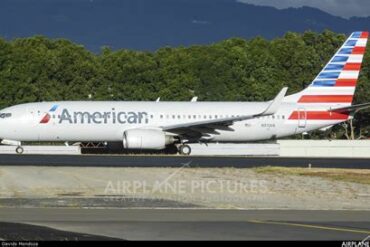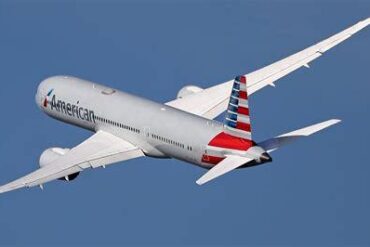
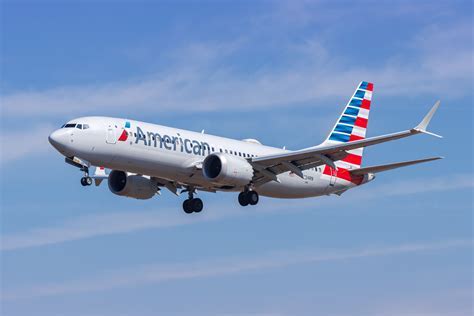
An American Airlines flight en route from Los Angeles International Airport (LAX) to Mexico City International Airport (MEX) was forced to make a critical emergency return shortly after takeoff when a cabin window seal leak triggered mid-flight safety alarms, prompting swift intervention by the flight crew. The aircraft, a 26-year-old Boeing 737-800, was airborne for less than an hour before reversing course and landing back at LAX without incident, ensuring the safety of all passengers and crew aboard.
The incident occurred on Flight AA2542, which departed Los Angeles early in the morning with 172 passengers and 6 crew members. What began as a routine international journey quickly escalated into a high-alert scenario as crew members identified signs of depressurization risk linked to a faulty seal on one of the cabin windows.
Mid-Air Trouble: A Closer Look at the Window Seal Leak
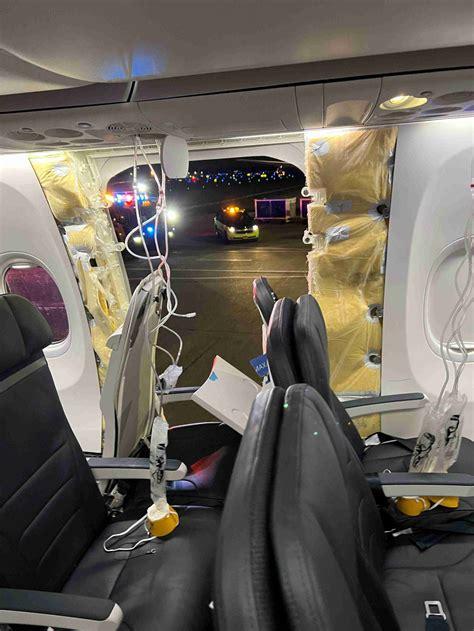
Approximately 40 minutes into the flight, as the aircraft cruised at an altitude above 30,000 feet, onboard sensors registered an abnormal pressure reading. Although the cabin had not yet lost pressure, the data indicated a potential breach in the aircraft’s pressurization integrity. The source of the issue was quickly traced to a window on the right side of the aircraft, where crew members noticed visual signs of a seal detachment—a rare but serious defect that can compromise the structural stability of the fuselage if ignored.
The pilots executed what is known in aviation protocols as a ‘PAN-PAN’ call, signaling a state of urgency but not yet an immediate danger, and coordinated with Los Angeles air traffic controllers for a priority landing slot. While the cabin atmosphere remained stable throughout the descent, passengers reported hearing an unusual hissing noise from the affected side of the plane.
Professional Response Under Pressure
American Airlines’ flight crew demonstrated exceptional professionalism and composure, swiftly enacting emergency procedures. According to multiple eyewitness reports, the captain made an announcement within minutes of the event, informing passengers of a “pressurization irregularity” and assuring them that the aircraft would return to LAX as a precautionary safety measure. Flight attendants moved quickly to calm travelers and re-check cabin readiness for landing, as the plane began its controlled descent.
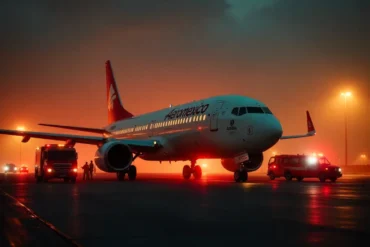
The Boeing 737-800 touched down safely at LAX’s Runway 25L approximately 75 minutes after its initial departure. Emergency response teams were on standby, though their services were not needed, as no injuries were reported.
Aircraft Age and Maintenance: Spotlight on the 737-800
The aircraft involved was delivered to American Airlines in 1998, making it more than 26 years old—a fact that raises questions about the role of age-related fatigue and component wear in this incident. Though aging aircraft are subject to stringent Federal Aviation Administration (FAA) safety checks and scheduled maintenance programs, issues like seal degradation, especially in window panels, can occasionally evade detection until a flight is underway.
Boeing’s 737-800 series is one of the most widely used narrow-body jets in the world. It has a strong safety record, but like any airframe that has logged tens of thousands of flight hours, the risks of material fatigue increase over time. Window seal leaks, while uncommon, are among the pressurization issues that airlines vigilantly monitor. American Airlines confirmed the aircraft had undergone standard inspections in the weeks prior, with no noted deficiencies at the time.
FAA Involvement and Investigation Initiated
Following the incident, the FAA announced it had launched a formal investigation into the event, focusing on potential mechanical causes, maintenance records, and the aircraft’s inspection history. Investigators will examine the window unit in question, reviewing any signs of microcracks, sealant erosion, or possible manufacturer defects.
A spokesperson for American Airlines stated: “We are fully cooperating with the FAA in their review. The safety of our customers and team members is our top priority.” The airline has since removed the aircraft from service pending a full mechanical audit.
Passenger Reactions: Calm in the Face of the Unexpected
Travelers aboard AA2542 described the experience as “unnerving but well-handled.” Several passengers took to social media shortly after deplaning, expressing appreciation for the crew’s transparency and reassurance. One passenger wrote: “The pilot kept us informed every step of the way. Even though it was scary, they made us feel safe.”
Others recounted how the cabin crew moved quickly and professionally once the decision to return was made. Oxygen masks were not deployed, as cabin pressure remained within safe limits. Upon arrival, passengers were escorted to the terminal where American Airlines staff assisted with rebooking and accommodations.
A Reminder of the Fragile Balance in High-Altitude Aviation
This emergency highlights the complex engineering that enables commercial aircraft to fly safely at high altitudes. Modern jetliners operate with pressurized cabins that simulate lower altitudes, making breathing comfortable at cruising heights. These pressurization systems rely on a combination of fuselage integrity, sealed windows, and regulated airflow to maintain internal pressure.
Any breach—even a small one—can threaten this balance. In cases like a window seal failure, the result can be a slow pressure leak that, if unchecked, leads to hypoxia or even structural damage. While rare, these incidents underscore the critical importance of continuous maintenance and crew training.
Historical Precedents: Window Seal Incidents in Aviation
While rare, this event is not without precedent. In 2018, a Southwest Airlines flight experienced a catastrophic window failure when a piece of debris from an engine broke a window mid-flight, tragically resulting in the death of a passenger. That incident was mechanically different—triggered by external shrapnel—but serves as a grim reminder of the potential consequences of window integrity failures.
In other instances, slow leaks from aging seals have led to emergency descents, but few have escalated into full-blown emergencies. Experts emphasize that the predictive detection of such issues is difficult, especially when visual inspections fail to reveal hidden weaknesses.
What Happens Next: Post-Incident Protocols
American Airlines will follow a multi-step response process after the event:
- Aircraft Grounding: The aircraft remains grounded at LAX for in-depth inspection.
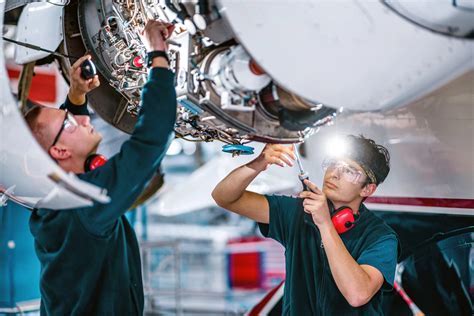
- Maintenance Review: Engineering teams will disassemble and test the window unit and nearby fuselage sections.
- Fleet Audit: Depending on findings, a fleet-wide inspection directive may be issued for other older 737-800s.
- Crew Debriefing: The flight crew will provide detailed testimony as part of the safety audit.
- Passenger Support: American Airlines has issued apologies and compensation to affected travelers.
The FAA may also issue safety bulletins to other carriers, especially if systemic issues are discovered.
Rebuilding Trust and Ensuring Future Safety
For American Airlines, this incident represents both a challenge and an opportunity—to demonstrate transparency, commitment to safety, and a willingness to scrutinize their aging fleet with a renewed lens. As global airlines grapple with extended aircraft service lives, preventive maintenance and real-time monitoring technology will play an increasingly important role in ensuring passenger safety.
Passengers today expect not only a safe journey but also honest communication and rapid response when things go wrong. By acting decisively and prioritizing safety, American Airlines has likely averted a far worse outcome—and set a reassuring standard for how to respond when unexpected faults emerge midair.