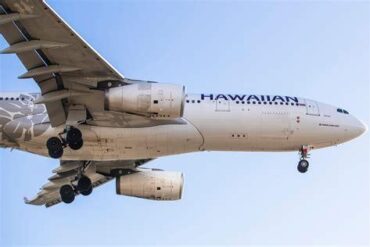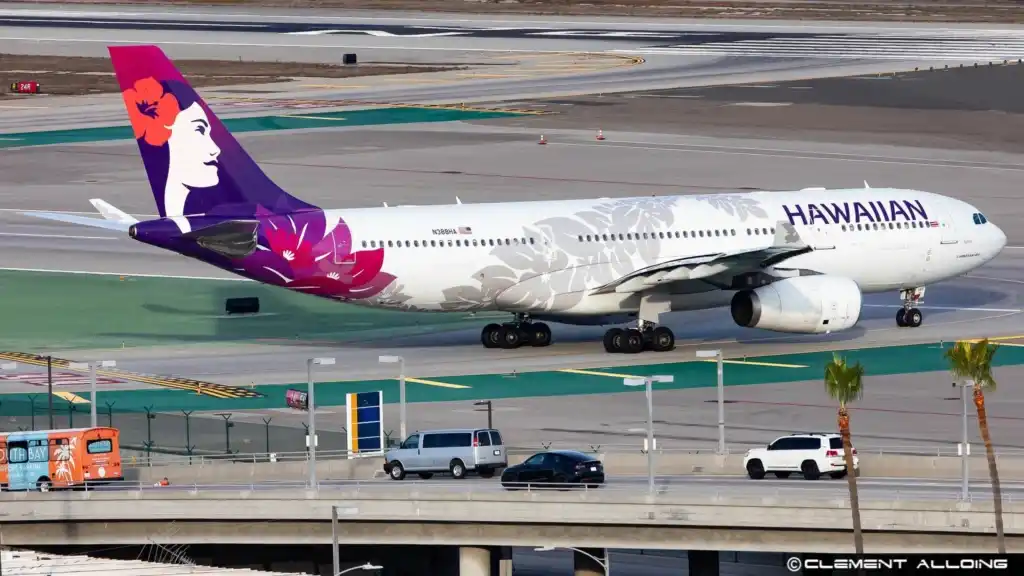
A major transpacific flight turned into an unexpected emergency event on June 23, 2025, when Hawaiian Airlines Flight HA864, en route from Tokyo Haneda Airport to Honolulu, was forced to return just 35 minutes after departure due to a mysterious odour inside the cockpit. The swift and decisive actions of the crew avoided any injuries, but the incident has since triggered intense scrutiny and raised broader questions about safety, operations, and public perception in global aviation.
The Flight That Didn’t Make It Across the Pacific
Flight HA864, operated by a Hawaiian Airlines Airbus A330-200 with the registration number N375HA, departed Tokyo’s busy Haneda Airport from Runway 16L at approximately mid-morning. Onboard were 268 passengers and 13 crew members, many of whom were anticipating a serene escape to Hawaii. But the calm ambiance in the cabin was soon eclipsed by concern in the cockpit.
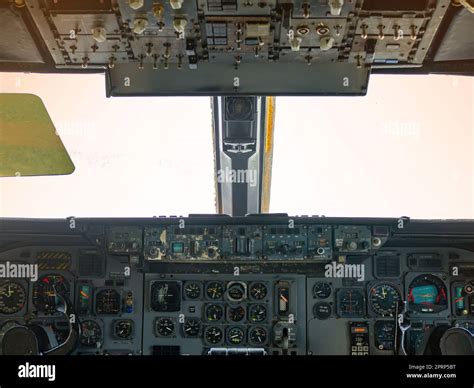
As the aircraft reached a modest cruising altitude of 6,000 feet, pilots detected an unusual, unidentified odour. The nature of the smell was not disclosed publicly, but it was severe enough to prompt the abandonment of the climb and a rapid turnaround back to Haneda. There was no visible smoke, no fire alarm, and no mechanical system failure—but aviation protocol doesn’t allow hesitation when anomalies arise, especially in critical flight systems.
Precision in a Crisis: Crew’s Swift Response Prevents Escalation
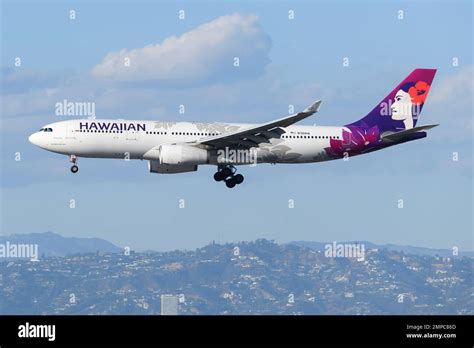
Despite the potential gravity of the situation, the outcome was orderly. Pilots quickly relayed their situation to Tokyo air traffic control, who cleared them for an immediate approach. The aircraft landed on the same runway from which it had taken off—Runway 16L—without requiring external emergency assistance. It then taxied safely to the apron under its own power.
According to Japan’s Ministry of Land, Infrastructure, Transport and Tourism (MLIT), the cockpit odour did not appear to be linked to any fire, smoke, or combustion, and no injuries were reported among passengers or crew. Nonetheless, the disruption left many summer travelers facing a long wait for answers and rebookings.
Grounded for Over 24 Hours: Investigation Begins
Immediately after the aircraft was parked, Hawaiian Airlines’ maintenance crews, alongside Japanese aviation authorities, began an exhaustive inspection. For 26 hours, the aircraft remained grounded at Haneda, undergoing checks on multiple systems—particularly those involving air circulation, electrical, and avionics components.
As of the latest update, the exact source of the odour remains unidentified, and the investigation is ongoing. However, after rigorous testing and system validation, the aircraft was deemed airworthy and allowed to resume service, offering some reassurance that the issue may have been a transient, non-systemic anomaly.
Spotlight on a Growing Trend: In-Flight Odour Incidents
While this incident ended without harm, it adds to a rising trend in aviation—unexplained cockpit and cabin odours. Over the past 12 months, several international carriers have logged reports of smoke-like odours, burning smells, and sensor alerts that turned out to be false positives. Although most cases do not lead to emergency landings, they reflect a concerning pattern.
Some aviation experts point to aging aircraft components, variations in fuel quality, and climate control system malfunctions as potential culprits. Others suggest that as cockpit electronics and cabin environmental controls become more complex, the risk of subtle failures increases.
Strategic Route: Why This Flight Matters Beyond the Incident
The Tokyo–Honolulu corridor is one of the most strategic transpacific air routes for both tourism and business. In peak summer seasons, it becomes a vital artery connecting Japanese tourists—one of Hawaii’s largest international visitor groups—with the islands’ hospitality sector.
A disruption on this route reverberates beyond the airport. Travel agencies, hotels, and tour operators on both ends reported immediate cancellations and rebookings. Some Hawaiian-Japan tour packages are tightly scheduled, and even a short delay can ripple into lost bookings or dissatisfied travelers.
Hawaiian Airlines, which markets itself as the premium Pacific carrier, faces stiff competition from Japan Airlines (JAL) and All Nippon Airways (ANA). In this context, operational integrity becomes as important as onboard service or pricing. How Hawaiian handles the aftermath—communicating clearly with passengers, offering compensation, and demonstrating reliability—will influence future booking trends.
The Role of Digital Media in Amplifying Aviation Incidents
In the age of real-time information, it took minutes for flight tracking platforms like FlightRadar24 and social media users to notice the U-turn pattern of HA864. Within hours, travel blogs, news outlets, and forums lit up with speculation ranging from electrical failures to chemical leaks.
While Hawaiian Airlines issued an official statement affirming that safety was never compromised, public perception is often shaped by first impressions. That’s why transparency and responsiveness are critical—not just for reputation management but for passenger confidence.
Aviation Safety and the Human Factor
Although aircraft systems are engineered with multiple redundancies, it is the human factor—especially in-flight crews—that often decides outcomes. In the case of HA864, the pilots’ ability to identify a potential threat, follow procedures, and execute a calm return reflects a robust safety culture.
The event serves as a quiet but powerful reminder: despite the luxury and convenience of modern aviation, safety always depends on vigilance, preparedness, and professionalism.
It’s also a reason why commercial pilots undergo regular simulator training, including scenarios involving unknown cockpit conditions, pressurization anomalies, and air contamination events. What happened on June 23 wasn’t scripted—but it was trained for.
Industry Implications: How Airlines Handle Anomalies
As regulators probe the specifics of the HA864 event, airlines globally are revisiting their own maintenance documentation, especially in relation to cabin air quality. Manufacturers like Airbus and Boeing are also investing more in air system diagnostics that can detect contaminants in real time.
If further investigation reveals a recurring issue in Airbus A330 systems, it may trigger a fleet-wide advisory. Conversely, if the odour was caused by an external factor—such as airport air pollution intake or a faulty food heater—mitigation efforts may shift focus.
In either case, airlines will be compelled to enhance odour detection protocols, expand crew training, and improve passenger communications during in-flight anomalies.
Passengers Left Waiting—but Not Forgotten
As for the passengers of HA864, Hawaiian Airlines reported that alternative accommodations and rebookings were provided. Some were flown out later the same day on other partner airlines or subsequent Hawaiian flights.
Frustration was inevitable. But customer sentiment, as seen in social media reactions, remained mostly understanding—largely due to clear communication and a sense of accountability demonstrated by Hawaiian’s ground and cabin staff.
Still, the delay highlights the importance of travel resilience:
- Booking travel insurance that covers delays or re-routing.
- Allowing buffer time for long-haul connections.
- Checking for live alerts via airline mobile apps or email notifications.
Closing Reflections: A Lesson at 6,000 Feet
The HA864 cockpit odour emergency may ultimately fade from headlines, but for the passengers and crew, it was a defining moment. It reaffirms that aviation is not just about speed and convenience—it’s about trust.
In the face of an unexpected anomaly, Hawaiian Airlines chose caution over assumption. That choice grounded one flight, but it lifted confidence in the people behind the controls.
And that, in the end, is what separates an airline from an exceptional airline.