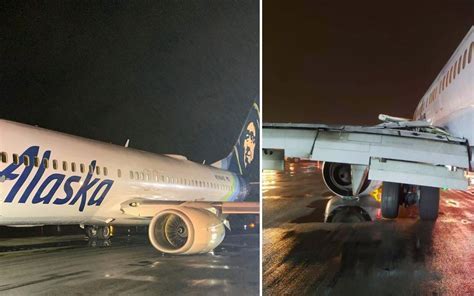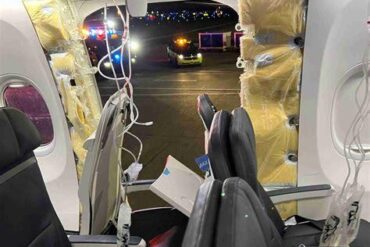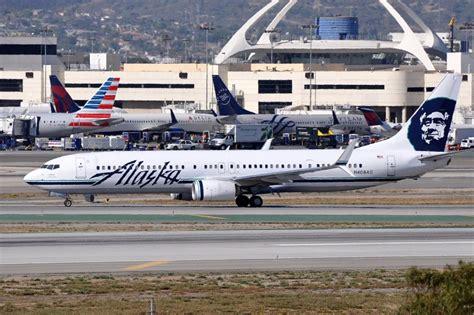
On the morning of June 3, 2025, a routine transpacific flight turned into a high-stakes emergency as Alaska Airlines Flight AS825, bound for Kahului, Hawaii (OGG), was forced to return to Seattle-Tacoma International Airport (SEA) following a mid-air pressurization emergency. The incident occurred approximately 90 minutes after departure, with the aircraft executing a sharp emergency descent from 34,000 feet and landing safely back in Seattle.
Alaska Airlines Flight AS825: A Calm Departure Turns Into Crisis Mid-Flight
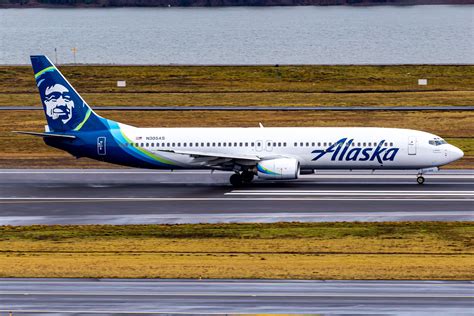
Flight AS825 departed Seattle at approximately 9:30 a.m. local time, operated by a Boeing 737-900 bearing tail number N462AS. The aircraft had reached its cruising altitude of FL340 (34,000 feet) and was roughly 220 nautical miles southwest of Seattle, over the North Pacific Ocean, when a critical issue emerged in the pressurization system. This system, essential to maintaining a breathable cabin environment at high altitudes, began to malfunction.
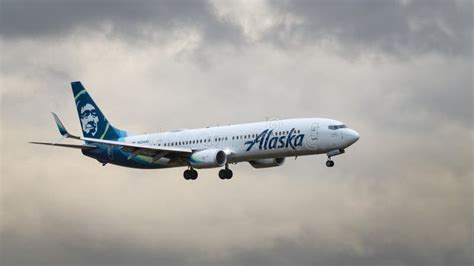
The flight crew responded swiftly, initiating a controlled emergency descent to 9,000 feet, where the outside air pressure is sufficient for human respiration. The descent followed established emergency procedures, demonstrating the crew’s rigorous training in handling such anomalies. By 11:00 a.m., the aircraft landed without incident on Runway 34R at Seattle-Tacoma International Airport, greeted by emergency services prepared for any escalation.
FAA Confirms Incident and Launches Investigation
The Federal Aviation Administration (FAA) later confirmed that the flight had experienced a cabin pressurization problem and that the crew declared an emergency as per protocol. The FAA stated the aircraft returned safely and that a formal investigation was underway to determine the root cause of the malfunction. Mechanical issues related to pressurization can range from valve failures to leaks in fuselage integrity, and determining the precise cause requires a full systems analysis and inspection.
In a statement, Alaska Airlines emphasized their commitment to safety, noting that passengers were re-accommodated on a replacement aircraft—a Boeing 737-900 registered as N468AS—which resumed the journey and landed in Kahului approximately six hours behind schedule.
What Went Wrong at 34,000 Feet?
Cabin pressurization is a critical component of modern airliner systems, designed to simulate atmospheric conditions equivalent to about 6,000–8,000 feet above sea level. A failure at cruising altitude, where ambient pressure is dangerously low, poses significant risks including hypoxia, barotrauma, and decompression sickness.
Experts note that pressurization failures can stem from:
- Malfunctioning outflow valves
- Cabin leak detection system faults
- Sensor failures
- Electrical control unit issues
- Structural damage or seal failures
Although Alaska Airlines has not yet disclosed the precise mechanical fault, industry experts believe that the decision to descend and return, rather than proceed to Hawaii, was prudent. Emergency procedures prioritize nearest suitable airport landings, especially when over oceanic airspace with limited diversion options.
A Look at Similar Incidents: The Delta Air Lines DL576 Case
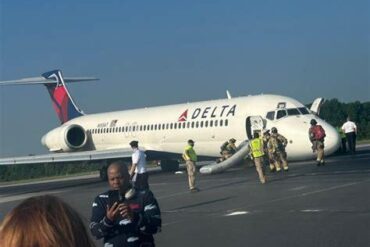
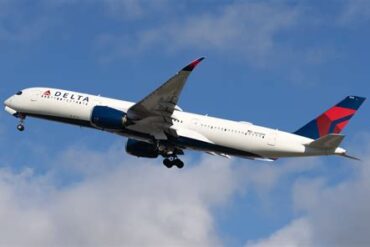
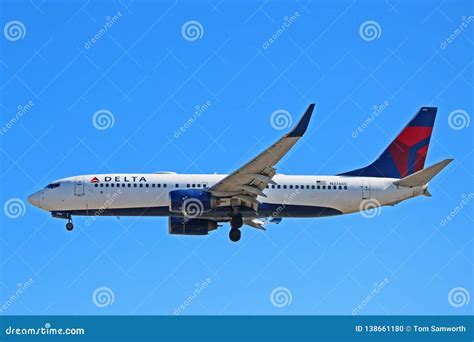
This event comes on the heels of a similar pressurization emergency involving Delta Air Lines Flight DL576 on April 7, 2025. Operating a Boeing 737-800 (N399DA) from Mexico City (MEX) to Atlanta (ATL), the aircraft was unable to climb beyond 10,000 feet due to pressure anomalies shortly after takeoff.
Unlike AS825, the DL576 incident was complicated by communication issues with Mexico City ATC. While the Delta crew declared an emergency, their messages conveyed mixed intentions—asking for terrain vectors while continuing with troubleshooting, creating confusion given the airport’s high elevation (7,300 feet) and mountainous terrain.
These types of incidents emphasize the complexity of in-flight emergencies where pilots must simultaneously manage checklists, ATC communications, and passenger safety. The FAA and international regulatory agencies have emphasized the need for standardized emergency communication protocols, particularly under duress.
Why Pressurization Emergencies Are So Dangerous
When a cabin loses pressure at high altitude, time of useful consciousness (TUC) drops dramatically. At 34,000 feet, passengers and crew may have less than 30 seconds before symptoms of hypoxia impair cognitive function.
Symptoms of sudden depressurization include:
- Shortness of breath
- Rapid heartbeat
- Confusion and lightheadedness
- Ear pain and sinus discomfort
- Loss of consciousness
To counter this, all commercial aircraft are equipped with automated oxygen systems. Oxygen masks deploy when cabin altitude exceeds about 14,000 feet, supplying supplemental oxygen until the aircraft can descend to safer altitudes. Pilots are trained to initiate immediate descents, avoiding delay in addressing the root issue while ensuring the safety of passengers.
The Importance of Crew Training and Aircraft Design
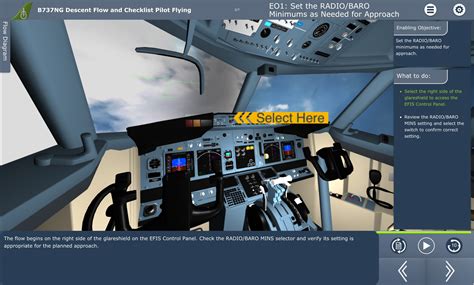
Alaska Airlines’ rapid response to the AS825 incident exemplifies the effectiveness of pilot training protocols, checklist discipline, and aircraft redundancy systems. Boeing’s 737 series, especially the 737-900 variant, includes multiple fail-safe mechanisms to detect and mitigate cabin pressure issues. These include:
- Triple-redundant pressure sensors
- Manual and automatic outflow valve control
- Cabin altitude warning alerts
The flight’s diversion also aligns with ETOPS (Extended-range Twin-engine Operational Performance Standards) regulations, which mandate route planning to ensure proximity to suitable emergency landing fields for transoceanic flights.
Passenger Experience and Operational Impact
Although Alaska Airlines has not disclosed the number of passengers onboard Flight AS825, eyewitnesses reported a calm but clearly concerned cabin environment once the oxygen masks deployed. The crew maintained order and transparency, reassuring passengers throughout the descent and diversion.
Following the emergency landing, passengers were accommodated in Seattle with meals, hotel vouchers where needed, and timely updates from ground staff. The replacement aircraft’s successful continuation of the flight helped minimize disruption, but the incident raised broader questions about aircraft maintenance protocols and fleet readiness as the summer travel season intensifies.
Broader Implications for Airline Safety
This incident, paired with Delta’s earlier scare, serves as a stark reminder of the challenges airlines face as they operate aging fleets under increasing demand. As more 737s approach mid-life cycles, preventive maintenance strategies, including non-destructive testing of fuselage components and updated avionics diagnostics, become essential.
Moreover, these events underscore the need for:
- Clear and standardized ATC communication during emergencies
- Updated flight crew training under real-time stress simulations
- Improved transparency in FAA post-incident reporting
- Fleet-wide inspection protocols after mechanical anomalies
Final Thoughts
The successful diversion of Alaska Airlines Flight AS825 back to Seattle was a testament to procedural integrity, pilot proficiency, and aircraft resilience. While no injuries were reported and the flight eventually resumed with a replacement aircraft, the implications for airline operations, crew training, and mechanical oversight are significant. As investigations proceed, aviation stakeholders worldwide will be watching closely to extract lessons and further bolster safety standards in high-altitude commercial flight.