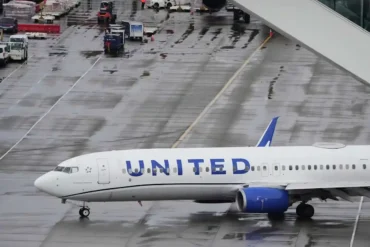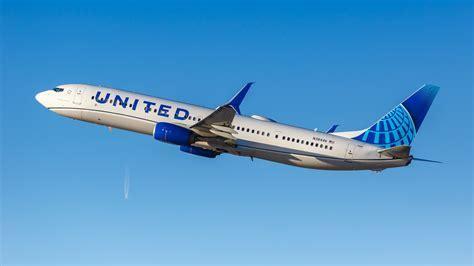
On a routine morning departure that quickly turned extraordinary, a United Airlines Boeing 737-700 suffered a pressurization failure shortly after lifting off from San Antonio, triggering intense physical distress among passengers and forcing a diversion that underscored how unforgiving altitude can be when cabin systems falter.
The aircraft, operating as United flight UA1332 and bound for Chicago O’Hare, climbed normally before the cabin environment abruptly changed. Within seconds, what should have been a gentle ascent became a physiological shock. One passenger later described the sensation as brain-searing pain, an experience so sudden and severe that it felt as if the body had been betrayed by the machine meant to protect it.
According to the account shared publicly, the pain arrived roughly thirty seconds after takeoff, accompanied by a crushing pressure in the head and a temporary loss of hearing. The description was visceral and alarming, capturing how rapidly the human body reacts when pressurization does not keep pace with altitude. Panic spread only after confusion, as the cause was not immediately explained over the public address system.
A Sudden Turn Toward Houston
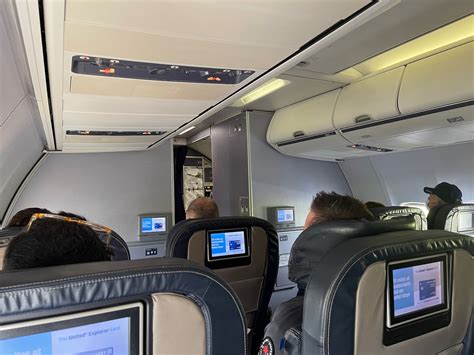
Faced with a suspected pressurization issue, the flight crew diverted south toward Houston George Bush Intercontinental Airport. Flight tracking data later showed a decisive change in course, consistent with standard emergency procedures designed to bring the aircraft to a safer altitude as quickly as possible. The jet landed without further incident, and emergency services stood by as a precaution rather than a necessity.
Once on the ground, passengers were left to process what had happened. While no immediate injuries were officially reported, the emotional impact lingered. The same passenger who recounted the pain explained that recovery was incomplete even after landing, highlighting how depressurization effects can outlast the event itself. United ultimately swapped aircraft, allowing the journey to Chicago to continue after a delay.
Inside the Mechanics of Cabin Pressurization
Commercial airliners cruise in an environment hostile to human biology. At 35,000 feet, the outside air pressure is far too low to sustain consciousness. To solve this, aircraft bleed compressed air from the engines and regulate it through sophisticated environmental control systems, creating a cabin atmosphere equivalent to roughly 6,000 to 8,000 feet above sea level.
This balance is deliberate. Maintaining sea-level pressure would place enormous stress on the fuselage, accelerating metal fatigue and shortening an aircraft’s lifespan. When the system fails or lags during climb, however, the pressure differential changes too quickly, and the human body responds with pain, disorientation, and, in severe cases, hypoxia.
The Human Cost of Lost Pressure
Hypoxic hypoxia occurs when the body cannot absorb enough oxygen, even if air is present. Early symptoms include impaired judgment and sensory disturbances, which is why pilots train relentlessly to recognize and respond within seconds. For passengers, the experience can feel violent and deeply unsettling, particularly when oxygen masks do not deploy because the cabin altitude has not crossed the automatic threshold.
In this incident, the absence of immediately dropping masks likely added to the confusion. Without a visual cue, passengers relied on their own bodies to signal that something was wrong. The Reddit account described frantic gestures toward flight attendants before an announcement confirmed the loss of cabin pressure, a delay that magnified fear in an already tense moment.
How Flight Crews Respond Under Pressure
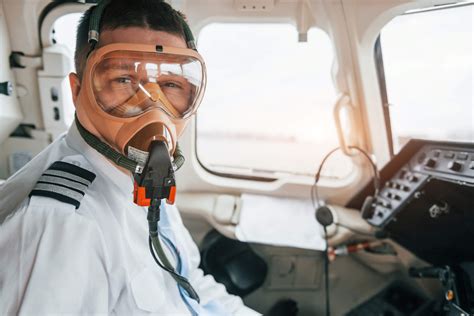
For pilots, a pressurization failure triggers memorized actions rather than checklists. Oxygen masks go on first, a non-negotiable step because the time of useful consciousness at altitude can be measured in seconds. Engines are throttled back, speed increased, and the aircraft is pitched into a rapid descent toward breathable air.
Speed brakes, and in extreme cases landing gear, may be deployed to increase drag and steepen the descent. These maneuvers are dramatic but controlled, trading altitude for safety with calculated urgency. The goal is simple and absolute: get below 10,000 feet where supplemental oxygen is no longer critical.
Questions After a Safe Landing
After the diversion, United Airlines reportedly offered affected passengers 2,500 MileagePlus points, a gesture some viewed as insufficient given the severity of the experience. While investigations into such events often focus on technical causes, passenger narratives add an essential human dimension that raw data cannot capture.
Pressurization incidents are rare, and modern aircraft are designed with multiple safeguards. Still, this flight served as a stark reminder that aviation safety is built on constant vigilance, redundancy, and rapid response. When even one layer falters, the consequences are felt immediately, not in abstract terms, but in pounding heads, ringing ears, and the fragile trust between humans and the machines that carry them through thin air. For many aboard, the memory will linger far longer than the flight number ever could have imagined.