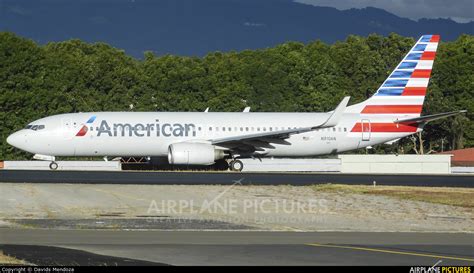
American Airlines Flight 2546, operating a 26-year-old Boeing 737-800, found itself at the center of an aviation emergency that has reignited the debate over aging aircraft and air travel safety. The flight, which departed Los Angeles International Airport (LAX) on June 13, 2025, bound for Mexico City (MEX), was forced to abandon its journey after encountering a serious technical fault mid-air.
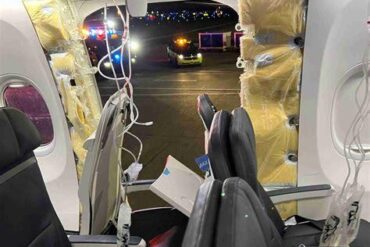
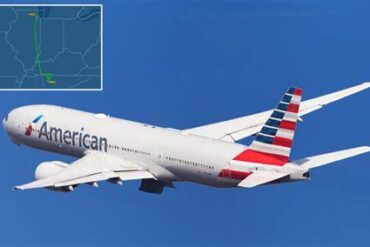
What started as a routine international flight turned into a tense ordeal. Just 15 minutes after takeoff, the aircraft, registered as N910AN, ceased its climb at 26,475 feet. The pilots, detecting a window seal leak, made the decisive call to return to LAX. Passengers, initially unaware of the precise nature of the problem, experienced a harrowing diversion that ended safely but left lasting concerns about fleet reliability.
The Emergency Unfolds: A Routine Climb Turned Crisis
Flight AA2546 lifted off at 16:33 UTC, joining the steady stream of evening departures from Los Angeles. However, the calm was shattered as cockpit indicators signaled an issue with the integrity of a cabin window seal. Such a malfunction, if left unchecked, could lead to rapid decompression, placing both passengers and crew at serious risk. The flight crew’s swift decision to divert highlighted the professionalism ingrained in commercial aviation, yet also drew attention to the aircraft’s advanced age.
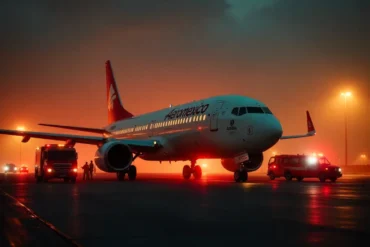
Despite being a well-regarded model globally, the Boeing 737-800’s age—over two and a half decades in this case—has placed it under heightened scrutiny. N910AN’s return to LAX, accomplished without burning off excess fuel, resulted in a heavy landing that was nonetheless executed without incident. Emergency crews stood ready on the tarmac as the aircraft made its unplanned return at approximately 10:20 PM local time.
A Jolt to Passenger Confidence and Travel Plans
For the dozens aboard, the diversion was more than an inconvenience. Many faced disrupted itineraries, with connecting flights missed, hotel reservations canceled, and business engagements abandoned. LAX, already operating at high capacity during the evening rush, saw its ground and terminal operations stretched thin as displaced passengers sought assistance.
Customer service desks were inundated. Overnight accommodations had to be arranged, and rebooking queues grew as travelers scrambled for alternatives. Social media quickly became an outlet for frustration and concern, amplifying the event beyond the airport’s walls.
FAA Investigation: A Call for Enhanced Oversight
The Federal Aviation Administration (FAA) wasted no time in responding. A formal investigation was launched, focusing on the reported window seal leak. This incident aligns with the agency’s growing emphasis on inspecting aging aircraft, particularly those surpassing the 25-year mark.
The FAA’s review will not only assess this specific event but could lead to broader compliance mandates affecting the entire fleet of similar models across U.S. carriers. Industry analysts predict that findings from this probe may fuel regulatory pressures for accelerated fleet modernization.
The Boeing 737-800: Durable Yet Under the Microscope
The Boeing 737-800, a staple of short and medium-haul fleets worldwide, has long been lauded for its versatility and reliability. But the longevity of these aircraft is a double-edged sword. While they represent engineering durability, they also face increasing exposure to age-related wear that even the most rigorous maintenance cannot entirely eliminate.
N910AN’s engines, the CFM56-7B24, have powered countless cycles, and while certified airworthy, such components are subject to intensified fatigue inspections as they age. This episode raises the question: how long can these workhorses continue to serve without posing unacceptable risk?
Impact on Airline Operations and Reputation
American Airlines, already navigating the complex logistics of fleet renewal, now finds itself under renewed scrutiny. The company’s phased approach to retiring older aircraft may not satisfy growing public and regulatory demand for swifter action on fleet modernization.
For passengers, transparency about aircraft age and maintenance history is becoming a crucial factor in booking decisions. Airlines may soon need to offer more detailed disclosures or risk eroding customer trust further. Meanwhile, operational teams must brace for enhanced inspections and potential disruptions as safety measures tighten.
The Human Side: Passengers Left Stranded
The night of June 13 saw families, business travelers, and vacationers forced to alter their plans at a moment’s notice. Those aboard Flight 2546, though relieved to be safe, expressed frustration over the lack of timely information during the ordeal. Several passengers shared accounts of confusion during the return, with minimal announcements and limited updates until after landing.
For many, the experience serves as a stark reminder of aviation’s inherent unpredictability—even in an era defined by technological advancement and stringent safety standards.
Industry-Wide Implications: A Wake-Up Call
This incident is likely to reverberate beyond American Airlines. Other carriers operating similarly aged aircraft will face questions about their fleet management policies. Aviation experts argue that while incidents like this are rare, they are potent signals that proactive modernization is essential—not optional.
The costs of accelerated fleet renewal are significant, but the costs of eroding passenger confidence or facing heightened regulatory intervention may prove far greater. As such, this event could serve as a tipping point in the ongoing debate over balancing cost, capacity, and safety in modern aviation.
Looking Ahead: Rebuilding Confidence in the Skies
As the investigation progresses, American Airlines has pledged full cooperation with the FAA and reaffirmed its commitment to passenger safety. Yet the episode leaves behind lingering questions about how the airline industry will address the challenges posed by aging aircraft.
For travelers, tools that provide real-time aircraft data are becoming invaluable. Awareness about aircraft models, ages, and incident histories is no longer the domain of enthusiasts alone—it is information that increasingly guides consumer choices.
While the outcome of Flight 2546 was ultimately positive in that no injuries occurred, the event underscores a truth that can no longer be ignored: in the high-stakes world of aviation, vigilance must evolve as quickly as the skies we navigate.