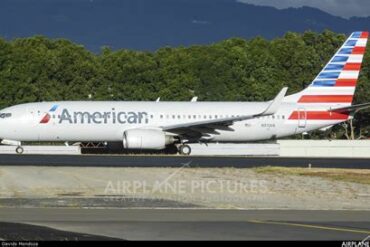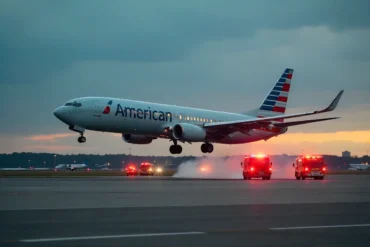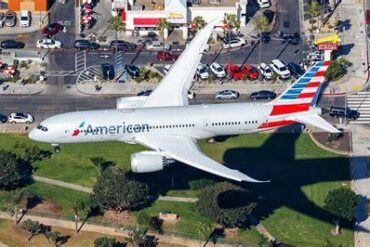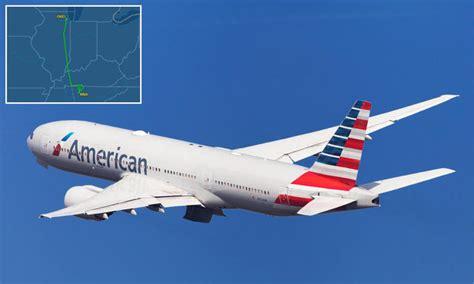
American Airlines Flight 399, en route from Anchorage, Alaska to Dallas/Fort Worth International Airport, faced a serious mid-flight emergency early Thursday, July 3, forcing the aircraft to divert to Seattle-Tacoma International Airport. The emergency landing came at a critical moment for U.S. aviation—just ahead of the Independence Day holiday, traditionally one of the most congested periods for air travel nationwide.
What began as a routine flight over the Pacific Northwest quickly spiraled into an unexpected airborne emergency when cockpit alerts signaled a mechanical anomaly. With the skies packed with holiday-bound travelers and schedules stretched thin, the A321’s emergency diversion underscored the fragility of America’s aviation system under pressure.
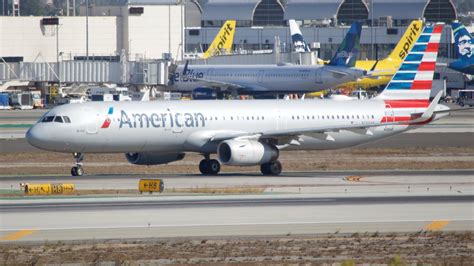
Emergency Protocol in Action: The Swift Response of Flight 399
According to reports from both American Airlines and local aviation sources, the aircraft experienced the issue during the cruise phase, approximately halfway through its journey. Flight crews notified air traffic controllers, who prioritized the aircraft’s landing at Seattle-Tacoma International Airport (SEA).
Fire engines and emergency response units lined the runway as a precaution. Fortunately, the aircraft landed safely without injury to the 150+ passengers onboard. The Airbus A321 taxied to a remote stand under escort, where American’s ground crews and engineers initiated immediate diagnostic inspections. While the airline did not disclose the precise mechanical issue, sources suggest the incident involved anomalies in the aircraft’s engine or pressurization system—common causes for unscheduled landings.
Tensions Mount During Peak Independence Day Travel Season
The timing of this incident could not be more precarious. The 2025 Fourth of July holiday is projected to be the busiest travel period in U.S. history, with AAA estimating over 72 million Americans taking to the skies and highways. Even one mechanical diversion like Flight 399 can cause disruption ripples across the aviation network, especially when flights are operating at or near full capacity.
With American Airlines already running lean schedules to accommodate summer demand, delays caused by the diversion resulted in crew duty timeouts, potential missed connections in Dallas, and cascading impacts across its domestic network.
Passengers stranded in Seattle voiced concerns over missed family reunions, hotel reservations, and connecting flights.
Mechanical Diversions on the Rise: A Broader Pattern
Flight 399’s unplanned stop in Seattle is not an isolated event. In fact, the U.S. aviation sector has seen an uptick in unscheduled diversions and maintenance flags throughout 2025. Experts attribute this trend to two main causes:
- Increased aircraft utilization: Airlines are stretching their fleets with tighter turnaround times and fewer grounded aircraft, leading to less time for comprehensive routine checks.
- Aging fleets and maintenance complexity: While the Airbus A321 is a modern aircraft, its long-haul application and high utilization introduce wear-and-tear risks—especially on niche routes like Anchorage to Dallas.
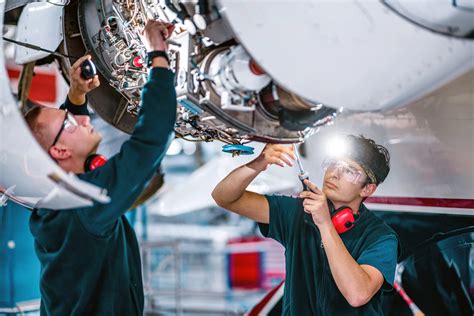
Operational and Economic Impact on Airlines and Cities
Every emergency diversion carries a heavy operational cost. Beyond logistics, airlines like American face financial penalties due to passenger compensation, crew overtime, flight rebooking, and customer service recovery efforts. The reputational damage can also be significant, particularly when the incident occurs during high-profile travel windows.
For hub cities like Dallas, diverted or delayed arrivals result in missed tourism revenue, hotel cancellations, and lower occupancy at local businesses. Conversely, Seattle-Tacoma—already a busy airport—must absorb extra flights, straining airfield capacity, customs, and terminal resources.
Flight 399’s emergency landing represents not just a safety success, but an unplanned burden on aviation infrastructure on both ends of its intended route.
Passenger Experience and Perception of Safety
Although the mechanical issue was resolved without injury, the psychological impact on travelers is profound. Social media lit up within minutes of the diversion, with passengers posting images of emergency crews on the runway and sharing live updates from the cabin.
In an era where traveler sentiment plays a key role in airline brand perception, even a mechanically justified diversion can damage public trust. Many passengers now demand more than just safety—they expect real-time communication, prompt rebooking options, and proactive customer care in the aftermath.
Airlines are under pressure to provide not just safe transport, but reliable, transparent service, especially when things go wrong.
Can U.S. Airlines Cope with Soaring Summer Demand?
The aviation sector is walking a tightrope this summer. With surging demand, reduced fleet flexibility, labor shortages, and increased mechanical alert frequency, experts are raising alarms about the industry’s ability to handle another crisis.
The Federal Aviation Administration (FAA) has signaled closer monitoring of rising diversion rates. Meanwhile, major carriers like American, Delta, and United are investing heavily in predictive maintenance technologies, new aircraft orders, and ground staff hiring to meet the challenge.
Still, questions persist:
- Are current aircraft schedules sustainable?
- How will airlines prioritize safety amid mounting consumer pressure?
- What role will technology play in anticipating and preventing mechanical failures?
The Importance of Aviation Reliability During National Holidays
July 4 represents more than fireworks and family cookouts—it’s one of the few extended breaks that families across America plan for months in advance. Flight 399’s diversion illustrates how quickly those plans can unravel.
Aviation reliability becomes more than a technical measure; it becomes a symbol of national efficiency and competence. If travelers can’t rely on aircraft to get them where they need to be safely and on time, confidence in the broader system deteriorates.
That loss of confidence can result in:
- Reduced bookings in future travel cycles.
- Increased pressure on road travel.
- Heightened regulatory scrutiny.
The stakes are no longer just economic—they’re political and psychological.
What Travelers Can Do to Mitigate Risk
With mechanical diversions on the rise, travel experts recommend a few proactive steps:
- Book early morning departures to avoid compounding delays.
- Use mobile apps for live flight tracking and disruption alerts.
- Choose longer layovers when connecting through large hub airports.
- Purchase travel insurance that covers mechanical and weather-related delays.
- Pack essentials in carry-ons, in case of diversion or re-routing.
Importantly, travelers should remain calm and cooperative during in-flight emergencies. Crew members are trained extensively for such scenarios, and Flight 399’s safe landing is a reminder that protocols work best when panic is avoided.
A Cautionary Tale as Holiday Travel Peaks
Flight 399’s emergency landing was resolved swiftly and without injury. American Airlines confirmed passengers would be rebooked or resume their journey to Dallas later that same day. Still, the incident has rattled industry insiders and holiday travelers alike.
The diversion serves as a high-stakes case study in aviation preparedness, customer service responsiveness, and the resilience of the U.S. air travel system. It underscores the urgent need for investment in maintenance technology, staffing, and strategic scheduling as the industry enters its most demanding travel era.
Conclusion: High Hopes, High Pressure, and a Narrow Margin for Error
American Airlines Flight 399’s diversion was a mechanical hiccup—but during a period of maximum system strain, even a minor failure exposes the thin margin between order and chaos in modern aviation.
For millions of Americans taking to the skies this week, the incident is a sobering reminder: beneath every smooth flight lies a complex dance of machinery, human vigilance, and operational precision.
As summer travel continues to break records, airlines must redouble efforts to ensure reliability, transparency, and passenger care. Because for the American public, flying remains not just a mode of transport—it’s a measure of national competence, and in peak season, a critical test of trust.