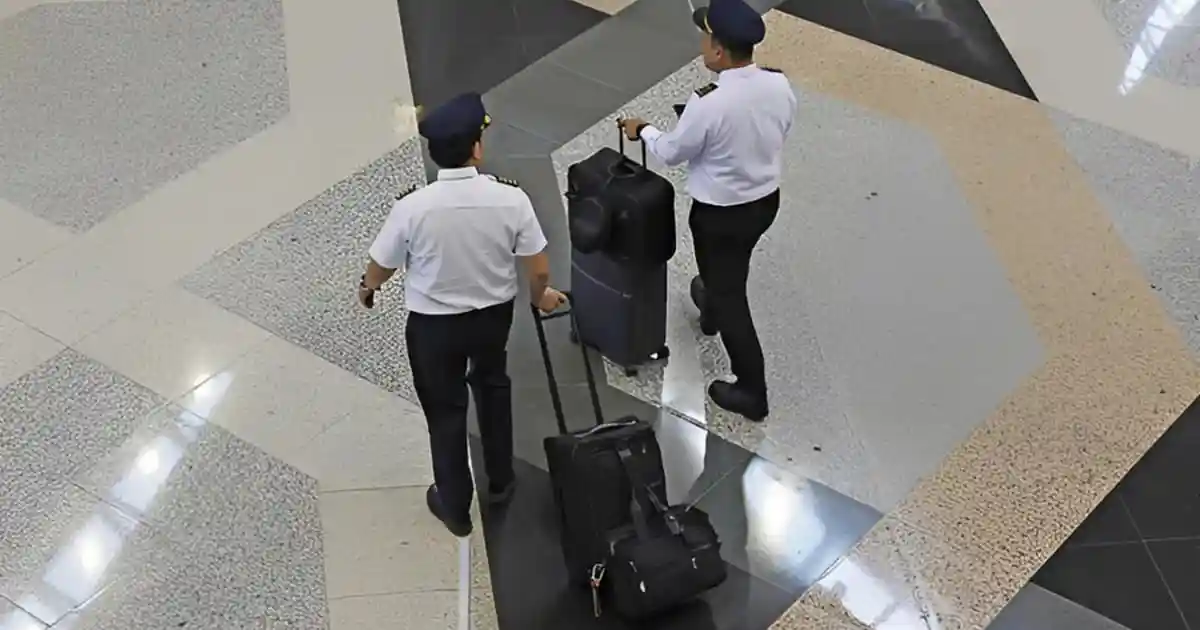
Malaysia Aviation Sector Launches Urgent Drug Testing Measures After Pilot Arrest
Malaysia’s aviation industry has introduced a mandatory drug testing program for all active pilots and cabin crew following a high-profile smuggling incident involving a Malaysia Airlines pilot. The move represents one of the most significant safety reviews undertaken by the country’s aviation authorities in recent years, as regulators seek to strengthen confidence in the commercial aviation sector.
The Civil Aviation Authority of Malaysia (CAAM) has instructed all Malaysian airlines to complete comprehensive drug testing of their flight and cabin crew members within 30 days. The requirement applies to every holder of a Malaysian Air Operator Certificate and forms part of a broader effort to improve aviation safety oversight.
The immediate action follows the arrest of a 39-year-old Malaysia Airlines pilot in Indonesia after authorities discovered illegal substances inside his luggage. The case raised serious concerns about professional responsibility, airline reputation, and the effectiveness of existing employee screening procedures.
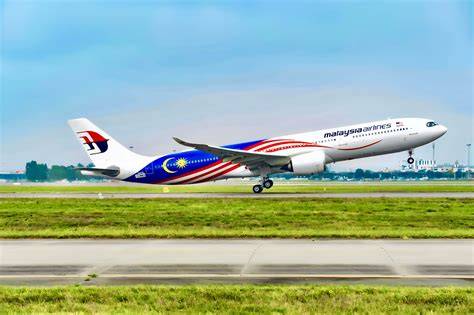
Malaysia Airlines Pilot Arrest Triggers Industry-Wide Safety Review
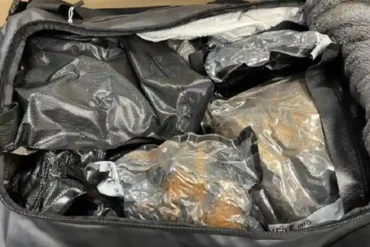
The incident occurred at Jakarta Soekarno-Hatta International Airport, where Indonesian authorities reportedly found approximately 26 kilograms of MDMA, commonly known as ecstasy, inside the pilot’s luggage. A small amount of methamphetamine was also discovered during the investigation.
The pilot had traveled from Kuala Lumpur International Airport, the main hub of Malaysia Airlines, highlighting concerns about potential risks associated with aviation personnel operating international routes. Authorities also reported that testing conducted after the arrest detected traces of multiple substances, including methamphetamine, MDMA, and cocaine.
For airlines, incidents involving flight crew members and illegal drugs carry consequences far beyond legal proceedings. Pilots and cabin crew operate in safety-critical environments where alertness, judgment, and physical capability are essential. Any suggestion that a crew member may be impaired can significantly damage public trust.
The scandal prompted Malaysian regulators to reassess whether current employee testing systems were strong enough to identify potential risks before they affect flight operations.
CAAM Requires 100% Testing of Active Flight Crew and Cabin Crew
CAAM Chief Executive Officer Norazman Mahmud confirmed that Malaysian airlines must conduct drug testing on 100% of active flight crew and cabin crew members under authority-approved testing programs.
Airlines have been instructed to submit compliance reports detailing testing results, random testing activities, and any corrective measures implemented after the review process. The regulator also requested that airlines examine and improve their existing drug and alcohol testing methodologies where necessary.
The 30-day deadline creates a rapid response period designed to provide authorities with a clearer picture of the overall situation across Malaysia’s commercial aviation industry. Rather than focusing only on individual cases, regulators are using the incident as an opportunity to strengthen safety management systems throughout the sector.
Malaysia Airlines has indicated that it planned to complete its pilot testing process even earlier than the regulatory deadline. The airline stated that pilots who had not completed required testing would not be permitted to continue operating flights until they received clearance.
New Random Testing Rules Aim to Prevent Future Aviation Risks
While the immediate 30-day testing requirement addresses short-term concerns, CAAM has emphasized that long-term prevention measures are equally important. Malaysian airlines have been directed to increase unannounced random drug and alcohol testing for flight and cabin crew members.
The expanded testing program will particularly focus on higher-risk operational situations, including night flights, extended duty periods, public holidays, and other circumstances identified through airline safety risk assessments.
Regulators are also encouraging airlines to introduce more frequent reasonable-suspicion testing. This type of testing can be initiated when behavioral, physical, or operational indicators suggest that a crew member may not be fit for duty.
Such measures are already used in many safety-sensitive industries worldwide, where employees responsible for public safety must meet strict standards regarding health, performance, and professional conduct.
Aviation Safety and Passenger Confidence Remain Top Priorities
Commercial aviation depends heavily on passenger trust. Travelers expect airlines to maintain strict controls over every aspect of flight operations, from aircraft maintenance and airport security to crew qualification and personal conduct.
Although the actions announced by Malaysian authorities were triggered by one serious case, the broader response demonstrates the industry’s commitment to maintaining safety standards. Airlines must ensure that their workforce meets both regulatory requirements and public expectations.
Drug testing alone cannot eliminate every potential risk, but combined with stronger reporting systems, employee education, and safety monitoring, it can become an important part of a comprehensive aviation safety framework.
The Malaysian aviation sector now faces the challenge of balancing immediate corrective action with long-term improvements. By expanding testing procedures and strengthening oversight, regulators hope to prevent similar incidents and preserve confidence in the country’s airlines.
As the investigation continues, the 30-day testing deadline marks a major step toward improving accountability among aviation professionals and reinforcing the principle that flight safety begins with the people operating and supporting every aircraft.