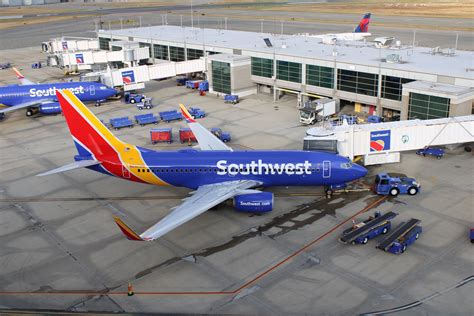
Southwest Airlines is facing a proposed $304,272 civil penalty from the Federal Aviation Administration (FAA) following alleged failures in its federally mandated drug and alcohol testing program. The violations reportedly involved 11 employees in safety-sensitive roles, including pilots, flight attendants, and aircraft maintenance personnel. According to federal investigators, the airline permitted some individuals to continue performing critical duties without completing required testing procedures designed to ensure aviation personnel remain fit for duty.
The FAA alleges that these compliance gaps occurred between 2021 and 2024, raising concerns about the internal oversight mechanisms at one of the largest airlines in the United States. Safety-sensitive roles in aviation demand strict adherence to testing protocols because any lapse, even administrative, can compromise layers of safety designed to protect passengers, crew members, and aircraft operations.
The proposed penalty emerged after FAA audits identified inconsistencies in Southwest’s testing administration procedures. Federal regulators concluded that certain follow-up testing requirements were either missed or improperly documented, allowing some employees to remain active in operational roles before completing mandated evaluations.
Testing Program Failures Raise Safety Oversight Questions
The core of the FAA’s enforcement action revolves around drug and alcohol testing protocols required under U.S. Department of Transportation (DOT) regulations. These rules mandate comprehensive screening systems for airline employees who perform safety-critical tasks, including pilots, mechanics, dispatchers, and cabin crew members.
According to the FAA’s findings, several employees continued working without completing required follow-up tests after previous violations involving alcohol or controlled substances. Reports indicate that some of these substances included cocaine and amphetamines, which trigger strict monitoring and rehabilitation procedures under federal aviation rules.
DOT guidelines require a structured “return-to-duty” process for employees who previously tested positive. This process typically involves:
- Supervised treatment or evaluation by a substance abuse professional
- A negative return-to-duty test before resuming work
- Multiple follow-up tests conducted over a defined period
Failure to complete any step of this process prevents an employee from legally performing safety-sensitive aviation duties.
Regulators claim Southwest allowed some individuals to perform operational tasks before the follow-up process was fully completed, which constitutes a violation of federal oversight requirements. Each missed or improperly recorded test carries potential fines, meaning small administrative oversights can quickly escalate into significant financial penalties.
FAA Enforcement Reflects Tougher Regulatory Climate
The FAA’s enforcement action against Southwest highlights a broader trend toward stricter regulatory oversight across the aviation industry. In recent years, the agency has intensified its compliance audits as airlines rebuild operations following pandemic-era disruptions.
Large carriers manage complex networks of employees and contractors across multiple facilities. While airlines often outsource certain testing administration tasks to third-party providers, regulators emphasize that ultimate responsibility always remains with the airline itself.
In this case, investigators believe systemic administrative issues may have allowed compliance gaps to develop. The FAA often views such incidents not as isolated mistakes but as indicators of potential weaknesses in safety management systems.
Southwest now has 30 days to respond to the FAA’s notice of proposed civil penalty. The airline may submit evidence, dispute specific findings, or negotiate a settlement with regulators. These enforcement cases frequently involve legal review and administrative proceedings before final penalties are imposed.
Even if the fine amount remains relatively modest compared with the airline’s overall operations, the reputational impact of regulatory violations can be far more significant.
Drug and Alcohol Compliance in Aviation
Drug and alcohol testing programs are among the most tightly regulated safety systems in global aviation. The Department of Transportation’s aviation testing framework requires multiple layers of monitoring designed to detect impairment before it can affect flight operations.
These programs include several types of testing:
- Random testing conducted throughout the year
- Pre-employment screening for new aviation workers
- Post-incident testing following accidents or safety events
- Reasonable suspicion testing triggered by observable behavior
Together, these measures create a zero-tolerance environment for substance use in safety-sensitive aviation roles. Airlines must maintain meticulous records to prove compliance during regulatory inspections.
The FAA repeatedly stresses that strict testing programs protect not only passengers but also aviation employees themselves. The goal is to detect potential impairment early while ensuring workers who violate policies receive proper monitoring before returning to operational duties.
Past Aviation Incidents Highlight the Risks
Several high-profile incidents in recent years have reinforced the importance of strict substance monitoring within aviation. One widely reported case occurred in 2018 at London Heathrow Airport, where a Japan Airlines pilot was arrested after reporting for duty with a blood alcohol level nearly ten times the legal limit. The incident shocked the aviation industry and triggered sweeping reviews of airline testing procedures worldwide.
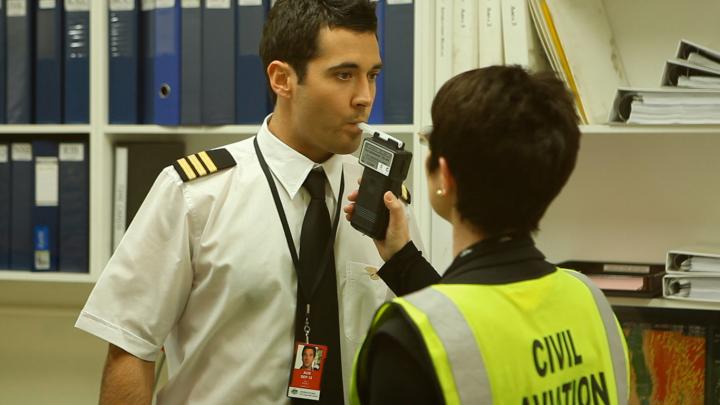
Another example involved Air India, where a Boeing 777 pilot failed a pre-flight breathalyzer test in Vancouver shortly before departure. The pilot was immediately removed from duty, forcing the airline to delay the flight while arranging a replacement crew. The case demonstrated how quickly substance violations can disrupt operations and create safety concerns.
While the Southwest case focuses primarily on administrative compliance failures rather than active impairment, the underlying risks remain closely linked. Aviation regulators argue that every step of the testing process exists to prevent the possibility of impaired personnel operating aircraft or performing maintenance work.
Potential Industry Implications
The FAA’s proposed penalty against Southwest Airlines may influence how regulators approach compliance enforcement across the airline industry. As air travel continues to grow and operational complexity increases, federal agencies are paying closer attention to safety management systems that support airline operations behind the scenes.
Airlines increasingly rely on digital compliance platforms and third-party contractors to manage regulatory requirements. While these systems streamline operations, they can also introduce oversight gaps if internal auditing procedures fail to detect missing records or incomplete testing protocols.
For large carriers managing tens of thousands of employees, even small administrative errors can create significant regulatory exposure. Aviation experts note that robust internal audits and real-time compliance monitoring are becoming essential components of modern airline safety management programs.
Southwest’s response to the FAA’s allegations will likely determine whether the case remains a financial penalty or evolves into a broader examination of safety oversight practices. Regardless of the outcome, the incident underscores a fundamental principle of aviation safety: every regulatory procedure, no matter how routine, exists to protect the integrity of an industry where reliability and accountability are paramount.