In a landmark legal move that has sent ripples through the aviation and tourism sectors, Jonathan Davidoff, a loyal Premier 1K member of United Airlines with over two million air miles under his belt, has filed a $500,000 lawsuit against the carrier. At the core of the complaint is the accusation that United Airlines knowingly oversold flights during the high-traffic summer of 2023, despite operational shortcomings—specifically, a critical lack of staffing—that made it virtually impossible to fulfill those commitments.
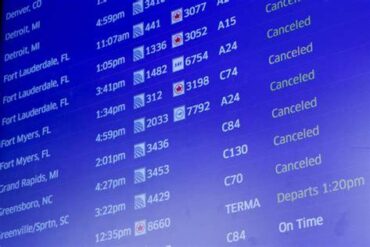
Davidoff’s lawsuit, now a focal point in aviation law circles, accuses United of false and unfair business practices. According to his claims, the airline marketed and sold tickets with no intention or ability to operate the flights, thereby violating consumer trust and financial expectations. His travel plans were disrupted on June 28, 2023, when a scheduled flight from Newark to San Francisco was abruptly canceled despite clear weather and seemingly manageable conditions. Davidoff and his companion had already arrived at the airport when the announcement was made, causing substantial logistical, emotional, and financial hardship.
The Collapse Behind the Gate: Staffing Shortages Take Center Stage
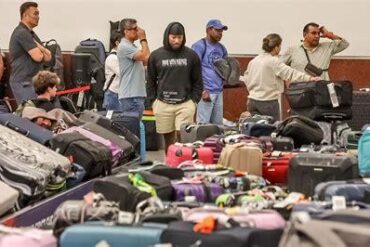
While United Airlines attempted to attribute the cancellations to weather disturbances and air traffic control delays, Davidoff’s suit underscores a more damning narrative: internal staffing crises were the actual culprit. The carrier had significantly reduced its workforce during the COVID-19 downturn and allegedly failed to rehire at a pace consistent with the travel resurgence in 2023. With too few pilots, flight attendants, and ground crew, United could not sustain its summer flight schedule.
This isn’t a lone instance. The U.S. Department of Transportation (DOT) has recorded an increase in consumer complaints tied to cancellations, delays, and mismanaged baggage, trends that surged during the post-pandemic rebound. In Davidoff’s case, 30,000 MileagePlus miles—a standard compensation United issued to affected travelers—was insufficient. He argues that the airline’s mismanagement wasted his time, altered his business engagements, and disrupted personal commitments, which, when valued appropriately, merits half a million dollars in damages.
A Broader Crisis in the Sky: Airlines Scramble After Pandemic Layoffs
The post-COVID aviation landscape has been fraught with labor-related pitfalls. Airlines that furloughed or laid off thousands of workers during the pandemic have found it challenging to rebuild their teams, especially as global demand for air travel has outpaced staffing recovery. United Airlines, while vocal about its commitment to operational reliability, has faced ongoing scrutiny for its pace of rehiring and training.
Insiders note that crew shortages, particularly in highly regulated roles like cockpit and cabin staff, present long lead times for recruitment and certification. Add to that the need for retraining workers who’ve been off-duty for months—or even years—and the result is a volatile network vulnerable to collapse under peak-season pressure.
United’s attempt to expand aggressively in the post-pandemic rebound may have outpaced its infrastructure. By prioritizing ticket sales without a corresponding increase in staffing, the airline placed itself—and its passengers—in precarious territory. Davidoff’s lawsuit has crystallized that misalignment in the form of a public legal battle.
From Tarmac to Tourism: Disruption Beyond the Airport
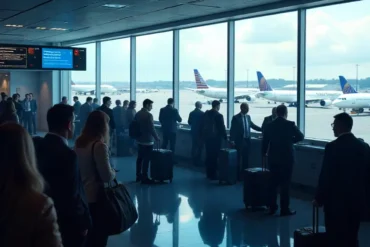
Flight cancellations don’t happen in a vacuum. For each traveler stranded, there is a cascade of consequences that ripples through the broader tourism ecosystem. Hotels lose no-show guests, tour operators miss booked clients, and local restaurants and businesses suffer the absence of foot traffic. Davidoff’s aborted journey is emblematic of a wider economic disruption that has hit tourism-dependent regions especially hard.
When summer itineraries dissolve due to operational chaos, the effect is multiplied across car rentals, excursions, and conference bookings. For Davidoff—a high-frequency flyer likely traveling for both business and leisure—the cancellation meant much more than a missed flight. It potentially altered work timelines, strained personal commitments, and created knock-on expenses for rebooking, lodging, and transportation.
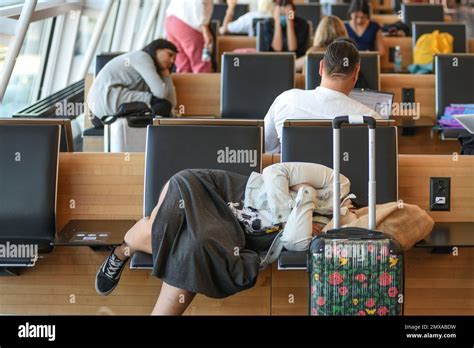
In this light, Davidoff’s legal action could be seen as representative of a frustrated traveler base. Many passengers are weary of the opaque nature of airline accountability, especially as disruptions become more frequent. Airlines tout weather delays and air traffic control bottlenecks, but often these explanations are used to deflect blame from deeper structural issues like staffing deficits or outdated scheduling algorithms.
Accountability in the Skies: Government Oversight and Regulatory Pressure
The Department of Transportation’s Air Travel Consumer Report is a sobering reflection of the state of modern air travel. Summer 2023 saw a marked increase in both cancellations and delays, with airline-related issues—rather than external factors—accounting for a substantial proportion. Davidoff’s lawsuit may ride on these statistics, drawing from DOT data that indicates many disruptions could have been avoided with better planning and adequate staffing.
Regulatory scrutiny isn’t just theoretical. In recent months, Secretary of Transportation Pete Buttigieg has signaled that airlines failing to deliver reliable service will face greater regulatory intervention. The Federal Aviation Administration (FAA), too, has tried to improve the efficiency of air traffic flow, but until airlines fix internal shortcomings, broader systemic reliability remains elusive.
Legal analysts believe Davidoff’s case could become a bellwether for future passenger claims. If successful, it may embolden other high-mileage travelers—especially those with elite frequent flyer status—to pursue compensation for cancellations and poor service. With passengers now increasingly aware of their consumer rights, airlines can no longer rely on loyalty alone to shield them from accountability.
Rebuilding Trust: The Path Forward for Airlines and Tourism
For the aviation sector to recover fully—and for tourism to stabilize—airlines must prioritize operational resilience over short-term revenue. This means robust investments in workforce recruitment, training programs, and predictive analytics for scheduling. Airlines need to adopt a more transparent communication strategy with passengers and be quicker to provide meaningful compensation when failures occur.
Passengers, particularly frequent flyers like Davidoff, represent the lifeblood of airline loyalty programs. Losing their trust can result in long-term brand damage, diminished revenue from premium bookings, and viral reputational fallout. For tourism-dependent cities, consistent airline service is vital to maintaining economic momentum. A single cancellation may lead to dozens of failed bookings downstream.
Government agencies must also play a proactive role. Enforcement mechanisms must evolve to include mandatory restitution thresholds, real-time passenger rights communication, and even public rating systems tied to airline performance. Only then can the industry move beyond reactionary PR fixes and toward systemic resilience.
Conclusion: One Lawsuit, Many Implications
Jonathan Davidoff’s half-million-dollar lawsuit is more than a personal grievance—it’s a warning shot to the airline industry that passengers are no longer willing to accept poor planning and lack of transparency as the cost of modern air travel. In challenging one of the world’s largest carriers, Davidoff is putting the entire sector on notice.
With summer travel seasons only expected to get busier, airlines must ensure that they have sufficient human capital, technological infrastructure, and contingency foresight to avoid repeating the errors of 2023. The stakes are high—not just for frequent flyers—but for the global tourism economy that depends on reliable skies.
The courtroom battle ahead may ultimately determine how airlines reconcile profit motives with passenger rights, setting new precedents for corporate accountability in aviation. And for millions of travelers worldwide, it may mark the beginning of a new era in air travel consumer advocacy.