The United States is grappling with a wave of major air travel disruptions as United Airlines flight cancellations continue to surge, particularly at Newark Liberty International Airport, one of the nation’s busiest aviation hubs. The situation, driven by severe air traffic controller shortages and outdated infrastructure, has left thousands of passengers stranded or delayed, with ripple effects felt across the country’s aviation network.
Newark Liberty at the Center of the Crisis
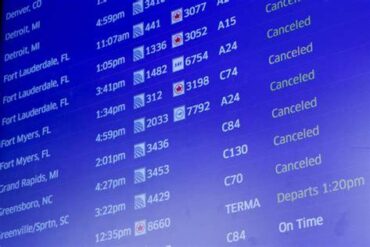
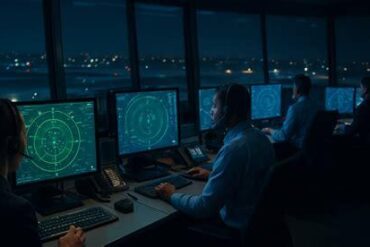
Newark Liberty International Airport has emerged as the epicenter of flight cancellations, where United Airlines was forced to slash 35 daily flights. The reduction stems from a combination of factors, most notably the chronic understaffing of the airport’s air traffic control tower and frequent malfunctions in outdated air traffic management systems. Reports indicate that over one-fifth of Newark’s air traffic controllers have either resigned, retired, or become unavailable for duty, leaving critical gaps in coverage and exacerbating operational bottlenecks.
These deficiencies have resulted in average delays of up to two hours for incoming flights, and cancellations have surged to unprecedented levels, particularly impacting domestic routes. With Newark serving as a key hub for United Airlines, the cancellations have not only disrupted travel plans but also caused significant logistical challenges for the airline, forcing it to reconfigure routes, reassign aircraft, and manage irate customers demanding timely rebooking.
Federal Government Intervention and Promised Reforms
Recognizing the gravity of the crisis, the federal government has stepped in to address these pressing concerns. Transportation Secretary Sean Duffy announced that the administration will accelerate recruitment and training programs for new air traffic controllers to close staffing gaps at critical airports like Newark. Additionally, the Federal Aviation Administration (FAA) has pledged to modernize its decades-old air traffic control infrastructure, replacing legacy systems with advanced digital platforms designed to ensure greater reliability and efficiency.
The Trump administration’s plan also includes incentives for retaining experienced controllers, such as enhanced retirement benefits and salary adjustments aimed at preventing premature departures. However, aviation experts caution that recruitment and training for new controllers can take years, meaning that travelers may not see immediate relief.
NATCA and the Push for Comprehensive Modernization
While the government’s response has been welcomed, the National Air Traffic Controllers Association (NATCA) has argued that these measures only scratch the surface of the problem. NATCA leadership insists that the U.S. air traffic control system is long overdue for a comprehensive overhaul, not just in staffing but in its technological backbone. They highlight that without a coordinated modernization initiative, any short-term fixes will likely fail to prevent future crises.
Industry insiders have also raised concerns about the FAA’s ability to balance staffing increases with technology upgrades, warning that an underfunded or poorly coordinated plan could lead to further inefficiencies. With passenger demand continuing to climb, the need for a fully integrated modernization strategy has never been more urgent.
Passengers Caught in the Middle
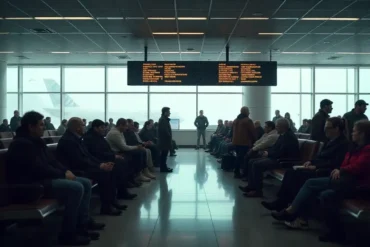
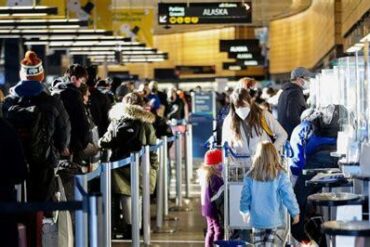
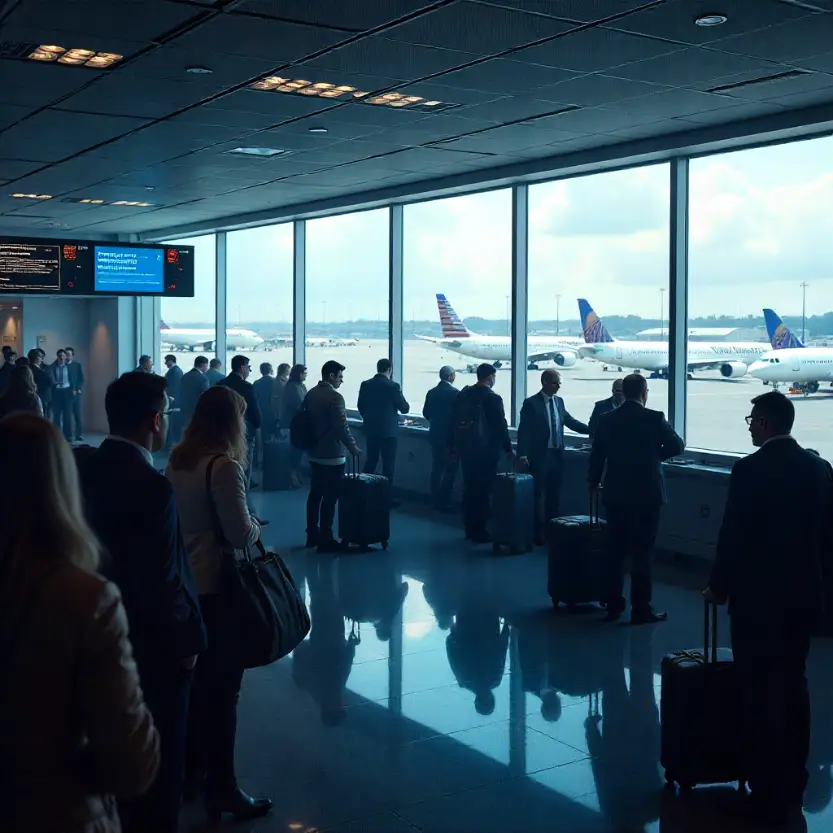
For passengers, the disruptions have been nothing short of frustrating and costly. Travelers departing from or arriving at Newark have reported missed connections, overnight delays, and last-minute flight cancellations. Many have had to adjust their itineraries on short notice, often incurring additional expenses for accommodations and alternative transportation.
The impact is magnified by the surging demand for air travel, as more Americans take to the skies for business and leisure trips. Compounded by broader economic uncertainties, including inflation and ongoing trade tensions, the current air travel chaos has led some travelers to rethink their plans entirely, while others have turned to alternate airports and carriers to avoid Newark’s operational nightmare.
What Travelers Should Expect in the Coming Months
Despite the FAA’s aggressive recruitment drive and planned system upgrades, experts caution that short-term disruptions are likely to persist. The training pipeline for new air traffic controllers is notoriously long, often spanning several years before recruits are fully certified. Likewise, implementing next-generation air traffic management systems is a complex process requiring substantial investment and coordination.
For now, travelers flying through Newark or other high-traffic airports are advised to check flight statuses frequently, build in buffer time for connections, and stay prepared for last-minute changes. Airlines are attempting to provide more real-time updates and flexible rebooking options, but the sheer scale of the cancellations has strained customer service resources.
The Larger Systemic Problem
The disruptions at Newark are not isolated events—they underscore a systemic challenge facing the U.S. aviation industry. The air traffic control infrastructure, much of which dates back to the mid-20th century, struggles to keep pace with the demands of modern aviation. As passenger volumes continue to rise, without meaningful investment in both personnel and technology, airports across the country risk facing similar disruptions.
This crisis has prompted calls for a national strategy on air travel modernization, with industry leaders urging the federal government to prioritize aviation infrastructure as a cornerstone of economic growth and national competitiveness. The FAA has outlined plans for incremental upgrades, but critics argue that a piecemeal approach will not meet the needs of a rapidly evolving aviation landscape.
A Long Road Ahead
The road to stability in U.S. air travel will not be a quick one. Modernizing air traffic control systems, expanding the controller workforce, and restoring operational reliability at key airports like Newark will require time, funding, and bipartisan cooperation. For now, travelers must brace themselves for ongoing disruptions, even as reforms begin to take shape.
Ultimately, the United Airlines cancellations at Newark Liberty serve as a wake-up call for the entire aviation sector. They highlight the urgent need for investment in human capital and cutting-edge technology to ensure that America’s skies remain safe, efficient, and prepared for the future of global travel.