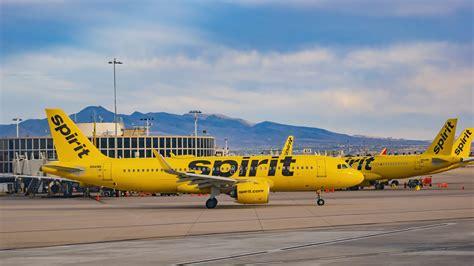
In the opening days of 2026, Spirit Airlines finds itself in an escalating crisis. The low-cost carrier, already beleaguered by financial turmoil and Chapter 11 bankruptcy proceedings, is now grappling with a sharp and disruptive breakdown in flight operations, leaving thousands of passengers stranded and deepening uncertainty about the airline’s future.
Mounting Flight Cancellations Signal Deeper Crisis
The latest operational chaos unfolded across the first three days of January 2026. According to FlightAware data:
- January 1: 11% of flights canceled, 38% delayed
- January 2: 14% of flights canceled, 33% delayed
- January 3: As of 6:30AM ET, 9% of flights already canceled, with delays mounting
While these numbers alone are staggering, they tell a deeper story—one of compounded neglect, dwindling morale, and systemic workforce fatigue. No other major U.S. carrier is experiencing such widespread unreliability, marking Spirit’s troubles as particularly acute.
Passengers are left in limbo, often with no clear communication or alternative arrangements. On social media and forums, customer frustration is boiling over, with many calling this “the worst travel experience of their lives.”
The Workforce Collapse Behind the Cancellations
On Friday evening, Spirit Airlines’ Chief Operating Officer issued an internal memo, acknowledging the breakdown. The memo confirmed that the airline was operating under an “ADP Level 3” disruption level, typically reserved for significant irregular operations.
The cause? An unprecedented surge in employee sick calls—some days surpassing 250% of historical norms. The memo revealed that:
“Our reserve levels are virtually the same as they have been since 2023, but during this holiday our sick calls have exceeded previous periods by nearly 250% on some days.”
This tsunami of absences triggered a domino effect, leading to:
- Over 60 flight cancellations in a single day
- Thousands of travelers stranded without rebooking options
- Crew shortages that ripple across multiple hubs and time zones
Employee Attrition and Low Morale Compound the Problem
The memo strikes an urgent, almost desperate tone, pleading with healthy employees to “fill open time now and stop the cancellations.” Yet beneath the surface, Spirit’s labor crisis runs much deeper. The company had previously planned to furlough 10% of its pilots in early 2026—a decision it abruptly reversed due to voluntary departures outpacing projections.
Spirit appears to be hemorrhaging skilled personnel. The reversal of furloughs isn’t a positive sign of retention but rather a sign of crisis-level attrition. With pay cuts already implemented, and daily rumors swirling about a potential company liquidation, employee loyalty has frayed beyond recognition.
Many in the airline’s workforce seem disengaged, disillusioned, and demotivated—understandably so. Why invest in an airline when it feels like the walls are crumbling?
From Overstaffed to Critically Understaffed—In Just Months
Only months ago, Spirit was grappling with overstaffing, a consequence of network contraction amid mounting losses. Now, with sick calls surging and employees fleeing, the pendulum has swung violently in the other direction. The result is a threadbare operation stretched beyond its limits.
This situation highlights poor foresight and planning at executive levels. The carrier failed to anticipate holiday strain, ignored signals of employee unrest, and didn’t bolster reserves when signs of attrition became clear. The consequences are unfolding in real time—and it’s passengers who are paying the price.
Bankruptcy Shadows Everything
Spirit’s Chapter 11 bankruptcy filing—its second in a year— casts a long shadow over every operational hiccup. With finances already in disarray, any significant operational irregularity could tip the balance from fragile to fatal.
The airline’s executives admit that “we are in no position to be able to sustain a significant IROP,” a chilling statement for any business, let alone an airline that still carries millions of passengers annually. Their only strategy, at this point, appears to be relying on the goodwill and extra labor of the remaining workforce.
But good intentions can’t replace strategic planning, sufficient staffing, or financial liquidity.
Passenger Trust Is Eroding Rapidly
For Spirit’s loyal customer base—primarily budget-conscious flyers and underserved markets—the current situation is dire. The entire appeal of Spirit lies in its ultra-low fares and simplified service, a trade-off many customers are willing to accept. But even bargain hunters draw the line at unreliable schedules and uncommunicated cancellations.
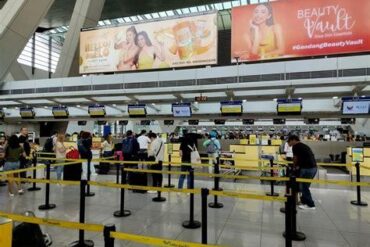
Social media platforms are awash with stories of travelers spending entire days at airports without updates, refunds, or hotel accommodations. Some passengers reported sleeping in terminals overnight, while others had to rebook with other airlines at exorbitant prices, defeating the purpose of choosing Spirit in the first place.
This erosion of trust could deal a long-term blow to Spirit’s brand equity, which is already fragile amid fierce competition from JetBlue, Frontier, Southwest, and other low-cost carriers.
Is Spirit Approaching the Point of No Return?
It’s no longer a matter of if Spirit Airlines is in trouble—it’s a matter of how much time it has left to reverse course.
- Operational reliability is collapsing.
- Employee morale is gutted.
- The carrier’s financial runway is shortening.
- Passenger trust is evaporating.
There is still time to act—but the window is narrowing. Spirit must immediately prioritize:
- Rebuilding workforce confidence through transparent communication, tangible incentives, and improved scheduling policies
- Restoring passenger confidence by issuing proactive updates, expediting refunds, and improving on-the-ground customer service
- Stabilizing the network by trimming unsustainable routes and building in buffers for crew availability
Yet even with those steps, Spirit faces an uphill climb. Bankruptcy proceedings, bad press, and labor unrest aren’t easy to shake, especially when passengers have other, more reliable alternatives.
Conclusion: A Turbulent Start to 2026 with Uncertain Skies Ahead
Spirit Airlines is starting the new year in the worst possible way—with cancelled flights, abandoned travelers, and a crumbling employee base. The numbers—11% to 14% daily cancellations, 33% to 38% delays—paint a portrait of a company in freefall. And with few signs of a strategic turnaround, the turbulence may have only just begun.
For now, the skies are not friendly for Spirit—and unless decisive action is taken, a hard landing could be imminent.