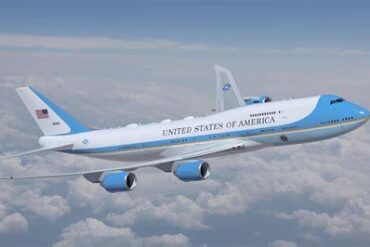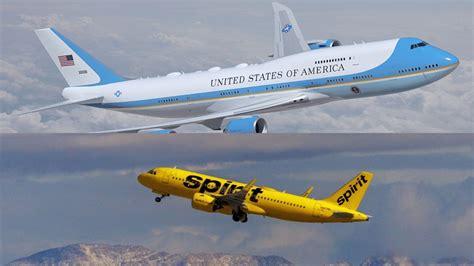
The prospect of a Trump-backed acquisition of Spirit Airlines has rapidly become one of the most provocative developments in the U.S. aviation sector. As the ultra-low-cost carrier continues to navigate severe financial instability, President Donald Trump’s public remarks suggesting he would consider purchasing the airline “if the price is right” have injected both intrigue and controversy into an already fragile situation. The statement signals more than casual interest—it underscores a potential shift in how government influence, private investment, and airline survival strategies might intersect in a high-stakes market.
Spirit Airlines, long recognized for its bare-bones pricing model and aggressive cost structure, now finds itself battling sustained economic pressure. Rising fuel costs, operational cutbacks, and repeated financial setbacks have pushed the airline into a precarious position. Discussions involving the Federal Aviation Administration (FAA) around a possible bailout further highlight the urgency surrounding Spirit’s future. Against this backdrop, Trump’s comments introduce a bold, unconventional possibility: a former president stepping in as a strategic buyer of a struggling commercial airline.
Trump’s Strategic Vision: Opportunity in Distress
Trump’s remarks reflect a transaction-driven mindset, framing Spirit Airlines not as a liability, but as an undervalued asset with upside potential. By emphasizing that the airline possesses “good aircrafts” and “valuable assets,” he positions the company as a turnaround opportunity rather than a failing enterprise. His suggestion that profitability could be achieved when oil prices stabilize or decline reveals a calculated bet on external market corrections.
This approach aligns with Trump’s historical business strategy—identifying distressed assets and leveraging timing to maximize returns. However, applying this model to a major airline introduces layers of complexity. Aviation is not just capital-intensive; it is heavily regulated, politically sensitive, and operationally intricate. Any acquisition involving a figure of Trump’s stature would inevitably draw scrutiny from regulators, lawmakers, and competitors alike.
Spirit Airlines’ Financial Struggles Deepen
The challenges facing Spirit Airlines are neither sudden nor superficial. The airline has struggled to regain consistent profitability since the COVID-19 pandemic, compounded by global disruptions such as geopolitical tensions affecting fuel supply chains. The impact of rising oil prices—exacerbated by conflicts influencing the Strait of Hormuz—has significantly increased operating costs, squeezing already thin margins.
In response, Spirit has implemented route reductions and fleet adjustments, aiming to streamline operations and conserve cash. Yet these measures have done little to reverse its broader financial trajectory. The airline has reportedly flirted with bankruptcy multiple times, including a recent filing that underscores the severity of its liquidity crisis.
Despite these setbacks, Spirit retains a valuable operational footprint. Its network spans key domestic hubs and extends into lucrative leisure markets across the Caribbean and Latin America. This geographic reach, combined with a standardized Airbus fleet, remains a core asset that could attract investors seeking scale at a discounted entry point.
Political and Regulatory Implications of a Potential Deal
The idea of a sitting or former U.S. president acquiring a commercial airline raises immediate questions about regulatory oversight and antitrust considerations. The Biden administration’s earlier decision to block the JetBlue-Spirit merger in 2022 serves as a critical reference point. That ruling was rooted in concerns over reduced competition and higher fares—ironically the very issues Spirit’s survival now threatens to exacerbate if the airline collapses.
Trump’s criticism of that decision suggests a more permissive stance toward consolidation or intervention, potentially reshaping how regulators evaluate airline deals. If his administration—or political allies—were to support such a transaction, it could signal a broader shift in aviation policy, prioritizing market stability and job preservation over strict antitrust enforcement.
At the same time, opposition is already mounting. Critics argue that any form of government-backed rescue or politically connected acquisition risks misallocating taxpayer resources or distorting competitive dynamics. The debate is likely to intensify as discussions progress, particularly if public funds or regulatory concessions become part of the equation.
Leadership Response and Industry Reactions
Spirit Airlines’ leadership has responded cautiously but optimistically to the developments. CEO Dave Davis emphasized the importance of collaboration with policymakers, highlighting the need to protect jobs, maintain competition, and preserve access to affordable travel. His comments reflect a balancing act—welcoming potential support while avoiding overreliance on uncertain political outcomes.
Within the broader industry, reactions are mixed. Competitors are watching closely, aware that any intervention could alter pricing dynamics and market share distribution. Meanwhile, labor groups and consumer advocates are weighing the potential benefits of preserving a low-cost carrier against the risks of increased consolidation or politicization.
A Legacy Carrier with a Low-Cost Identity
Spirit Airlines’ journey from its origins as Charter One Airlines in 1990 to becoming the seventh-largest U.S. carrier by 2023 is a testament to the disruptive power of the ultra-low-cost carrier (ULCC) model. By unbundling services and charging for extras such as baggage, seat selection, and onboard refreshments, Spirit redefined price competition in the airline industry.
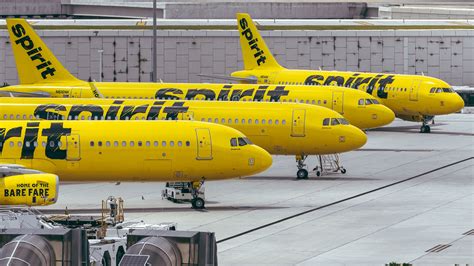
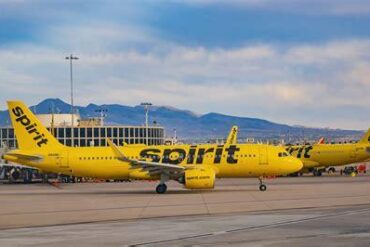
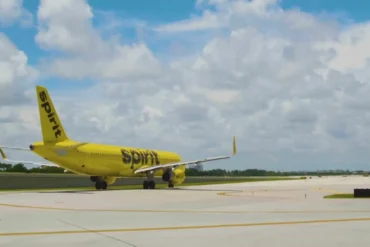
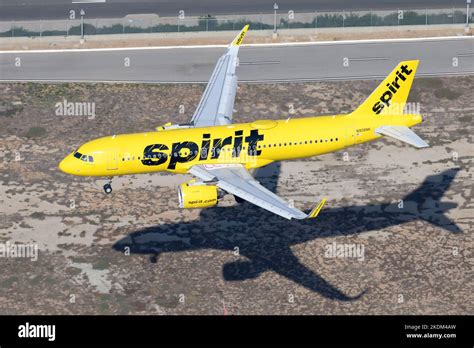
Today, the airline operates a fleet of over 100 Airbus aircraft, including the A320neo and A321neo, optimized for fuel efficiency and high-density seating. Its presence in major hubs like Fort Lauderdale, Las Vegas, and Orlando has made it a key player in leisure travel markets, particularly among price-sensitive passengers.
Yet this same model also leaves Spirit vulnerable during economic downturns. With limited premium offerings and razor-thin margins, the airline has little buffer against cost shocks or demand fluctuations. This structural fragility is at the heart of its current संकट—and the reason why potential buyers see both risk and opportunity.
What Lies Ahead for Spirit Airlines?
The unfolding situation places Spirit Airlines at a crossroads. A potential acquisition by Trump could provide short-term stability and renewed strategic direction, but it also introduces uncertainty around governance, regulatory approval, and long-term viability. Alternatively, a government-supported bailout might preserve operations but face political resistance and limited effectiveness.
Ultimately, the airline’s future will depend on a combination of market conditions, policy decisions, and investor confidence. Whether through private acquisition, public intervention, or restructuring, the outcome will have far-reaching implications—not just for Spirit, but for the broader U.S. aviation landscape.
What remains clear is that Spirit Airlines is no longer just a low-cost carrier fighting for survival. It has become a focal point in a larger conversation about how far the government and influential figures should go to shape the future of critical industries.