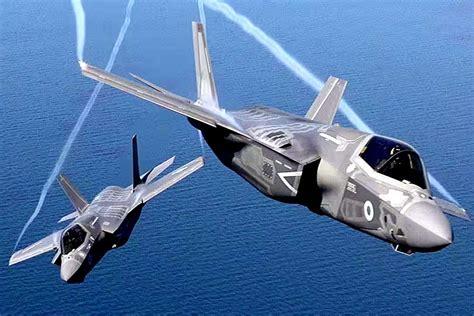
Before diving into the listings, it’s critical to understand the legalities of purchasing and operating a fighter jet. In the U.S., the purchase of demilitarized aircraft is legal, provided the jet has been stripped of its weapons systems and sensitive technologies. Many Cold War-era jets, like the MiG-15, MiG-21, Aero L-39 Albatros, T-33 Shooting Star, and F-5 Tiger II, have become mainstays in the warbird enthusiast community due to their age, availability, and regulatory clearance.
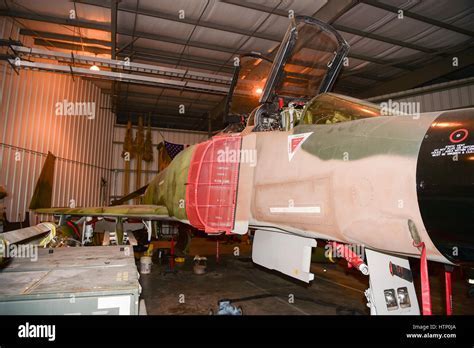
Modern frontline fighters such as the F-16 Fighting Falcon, Mirage 2000, or even the MiG-29 Fulcrum are harder to obtain, often requiring substantial paperwork, inspection, and sometimes political negotiation. For example, the purchase of a decommissioned F-4 Phantom II may be possible through private brokers or museums with Department of State clearances.
Top Marketplaces to Buy a Fighter Jet
If you’re serious about owning a fighter jet, knowing where to shop is essential. While eBay might list the occasional relic, serious buyers gravitate to a few well-known dealers and platforms:
Platinum Fighter Sales
One of the most prestigious names in the warbird acquisition business, Platinum Fighter Sales routinely lists airworthy combat aircraft, including multiple A-4 Skyhawks, F-86 Sabres, and even the occasional MiG-17. As of this writing, an operational F-4 Phantom II is up for sale, showing that even legendary U.S. fighters can be acquired with the right budget.
Courtesy Aircraft Sales
This Illinois-based dealer specializes in historic and collectible military aircraft. Known for sourcing some of the best-preserved fighters in private hands, Courtesy Aircraft frequently handles aircraft for airshow performers and private collectors.
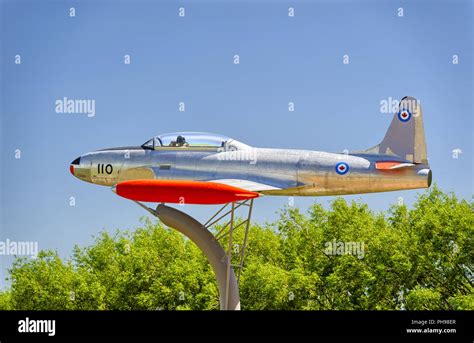
Jets like the T-33 Shooting Star, L-29 Delfin, and L-39 Albatros — staples of the warbird circuit — often appear on their listings.
Controller.com
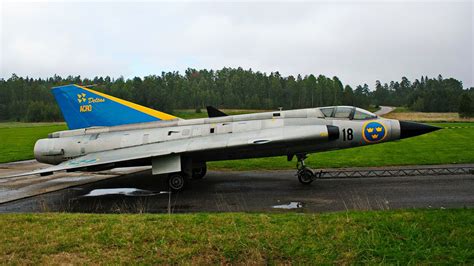
For those seeking a wider selection, Controller.com serves as a classified hub for civilian aircraft, including military surplus jets. While their warbird section isn’t as extensive as the specialized dealers, occasional gems do surface, especially for European jets like the Saab J35 Draken or the FIAT G.91.
Price Ranges and Operating Costs
While acquiring a fighter jet may be within your budget, operating one is another matter entirely. Here’s what buyers typically face:
- Entry-level jet trainers (e.g., L-39 Albatros, T-33): $250,000 – $600,000
- Cold War-era fighters (e.g., MiG-17, MiG-21, F-86): $800,000 – $3 million
- Multirole supersonic fighters (e.g., F-4 Phantom, MiG-29): $3 million – $10+ million
- Rare acquisitions (e.g., F-16, Mirage 2000): Price on request, often exceeding $15 million
But the acquisition is only the beginning. Expect maintenance costs to run between $5,000 and $10,000 per flight hour, with annual upkeep potentially reaching six figures. Hangar fees, insurance, ground crew, and fuel (jets guzzle thousands of pounds per hour) must all be budgeted.
Who Owns These Jets?
The civilian fighter jet community is small but tight-knit. Many jets are owned by collectors, restoration enthusiasts, museums, and former military pilots. In Texas, for instance, Ellington Field near Houston hosts a number of these aircraft, maintained and flown for airshows, educational events, and personal enjoyment.
Owners often work together under cooperative agreements, share hangars, and even pool resources for rare parts. Some groups, like those at Ellington, also offer tours, static displays, and occasional ride experiences — although FAA regulations on passenger flights can be strict depending on aircraft class.
Can You Buy New Fighter Jets?
In most cases, brand-new frontline jets are off-limits to civilians. Aircraft such as the F-35 Lightning II, Su-57, or JAS 39 Gripen are considered classified military technology, governed by international arms export laws like ITAR (International Traffic in Arms Regulations).
However, a few exceptions exist. Billionaire pilot Jared Isaacman, for example, acquired a flyable MiG-29 in the early 2000s, though the aircraft was carefully vetted, demilitarized, and required extensive documentation.
More accessible are post-service aircraft from Eastern Bloc nations, particularly former Warsaw Pact countries that sold jets as surplus in the 1990s. Today, Ukraine, Bulgaria, and former Yugoslav states have liquidated numerous MiG models, often through licensed brokers or military auctions.
The Experience: Flying and Maintenance
Operating a fighter jet isn’t simply about taking off and tearing across the sky. These machines require:
- Special type certification or an FAA Letter of Authorization (LOA)
- Extensive pilot training, often with ex-military instructors
- On-site mechanics, typically A&P licensed technicians
- Spare parts channels, many sourced from former military inventories in Eastern Europe or Asia
The airshow circuit remains the most active use for these jets, where owners are compensated for flybys, formation flights, and stunt work. It’s common to see a MiG-17 or T-33 flying at national events, bringing Cold War history roaring back to life.
Fighter Jets on Display vs. Flyable Warbirds
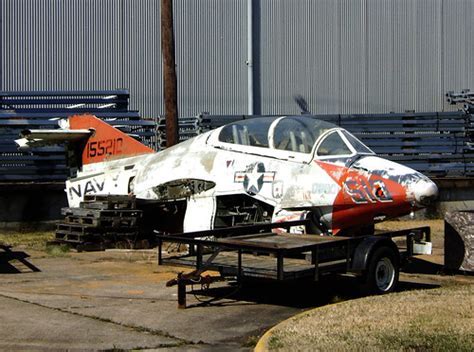
Not every jet on the market is airworthy. Many listings include scrapyard fighters, museum shells, or display-only aircraft. These are often sold for $50,000–$150,000, depending on condition and rarity. While they cannot fly, they serve as excellent museum pieces or personal showpieces.
Examples include:
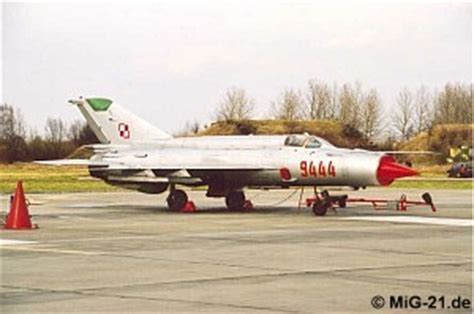
- Non-airworthy MiG-21 airframes in Germany or Eastern Europe
- Fuselage-only F-100 Super Sabres in U.S. scrapyards
- Unarmed Saab Drakens decommissioned by Sweden
These jets can be purchased more easily, especially through private owners, auction houses, or platforms like Trade-a-Plane.
Final Thoughts: Should You Buy One?
Fighter jet ownership is not just about the thrill — it is about preserving history, engineering marvels, and becoming part of an elite aviation community. While the cost, effort, and responsibility are high, so too is the reward.
From trusted dealers like Platinum Fighter Sales to enthusiast groups at Ellington Field, the path to jet ownership is more open than ever. And for those with the passion, funds, and discipline to maintain them, a fighter jet is not just a purchase — it’s a legacy.